Vietnam travel guide for first-time travelers
Content []
1. Getting to know Vietnam before your trip
Vietnam stretches from the mountains of the north to the tropical waterways of the south, with a long coastline running through the country. This geography creates noticeable differences in landscapes, climate, cuisine, architecture, and local traditions as you travel between regions.
.webp)
For first-time visitors, the appeal often lies in this variety. Hanoi offers centuries of history alongside a lively street culture, while the northern mountains are home to dramatic valleys, rice terraces, and ethnic communities. Central Vietnam brings together imperial heritage, historic towns, beaches, and distinctive regional cuisine. Further south, Ho Chi Minh City has a fast-moving urban character, while the Mekong Delta offers a slower rhythm shaped by rivers, orchards, villages, and floating markets.
Vietnam is also a destination where everyday experiences can be as memorable as major attractions. A bowl of noodles at a small local restaurant, a morning market, a countryside cycling route, or coffee on a busy city street can give you a different perspective on the country.
For a first trip, it is worth resisting the temptation to see everything. Choosing a few regions and allowing enough time to experience them usually creates a more rewarding itinerary than moving between destinations every day.
2. Where to go on your first trip to Vietnam
Vietnam can be broadly divided into three travel regions, each offering a different combination of landscapes, culture, and experiences.
Northern Vietnam
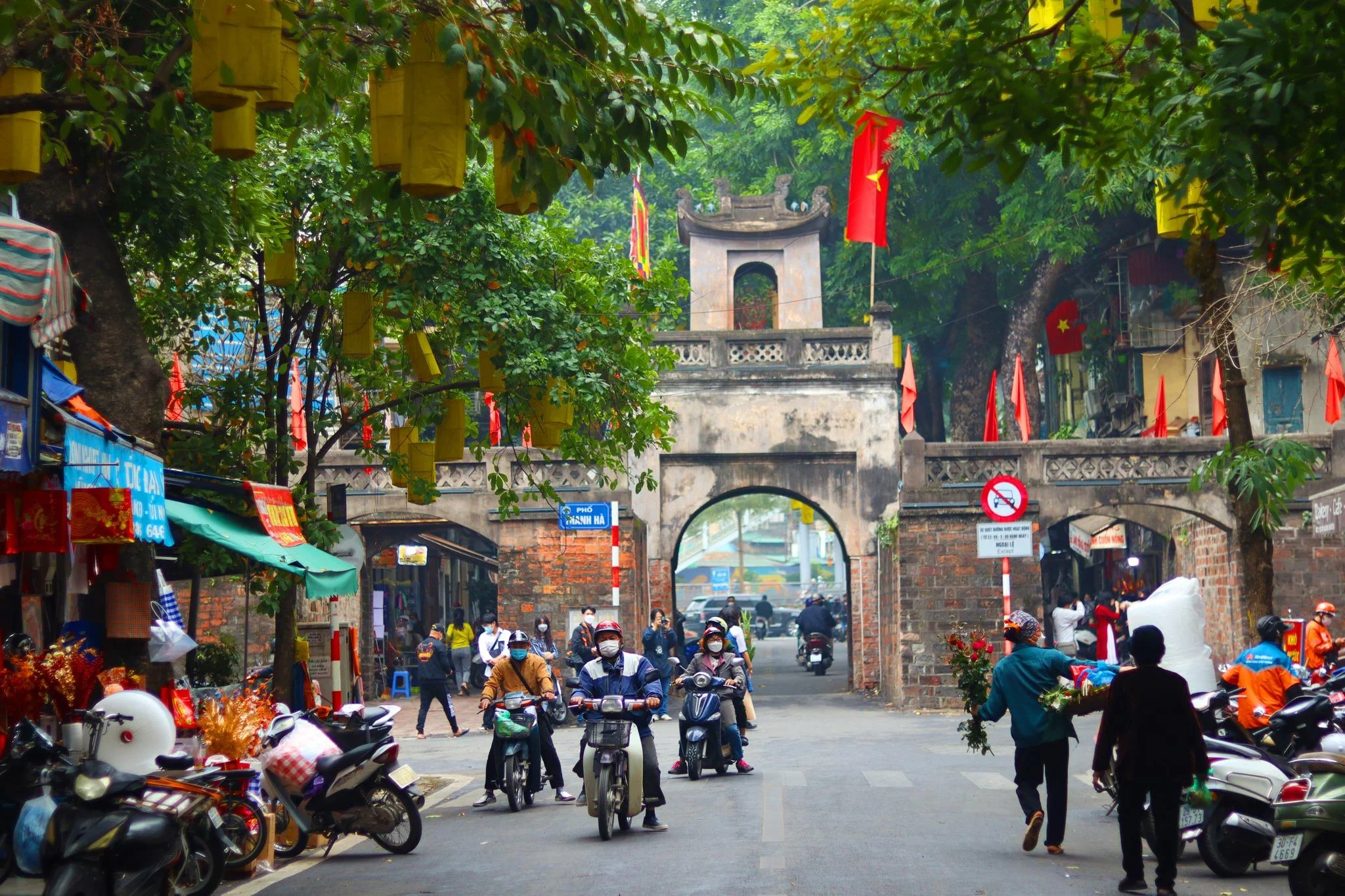
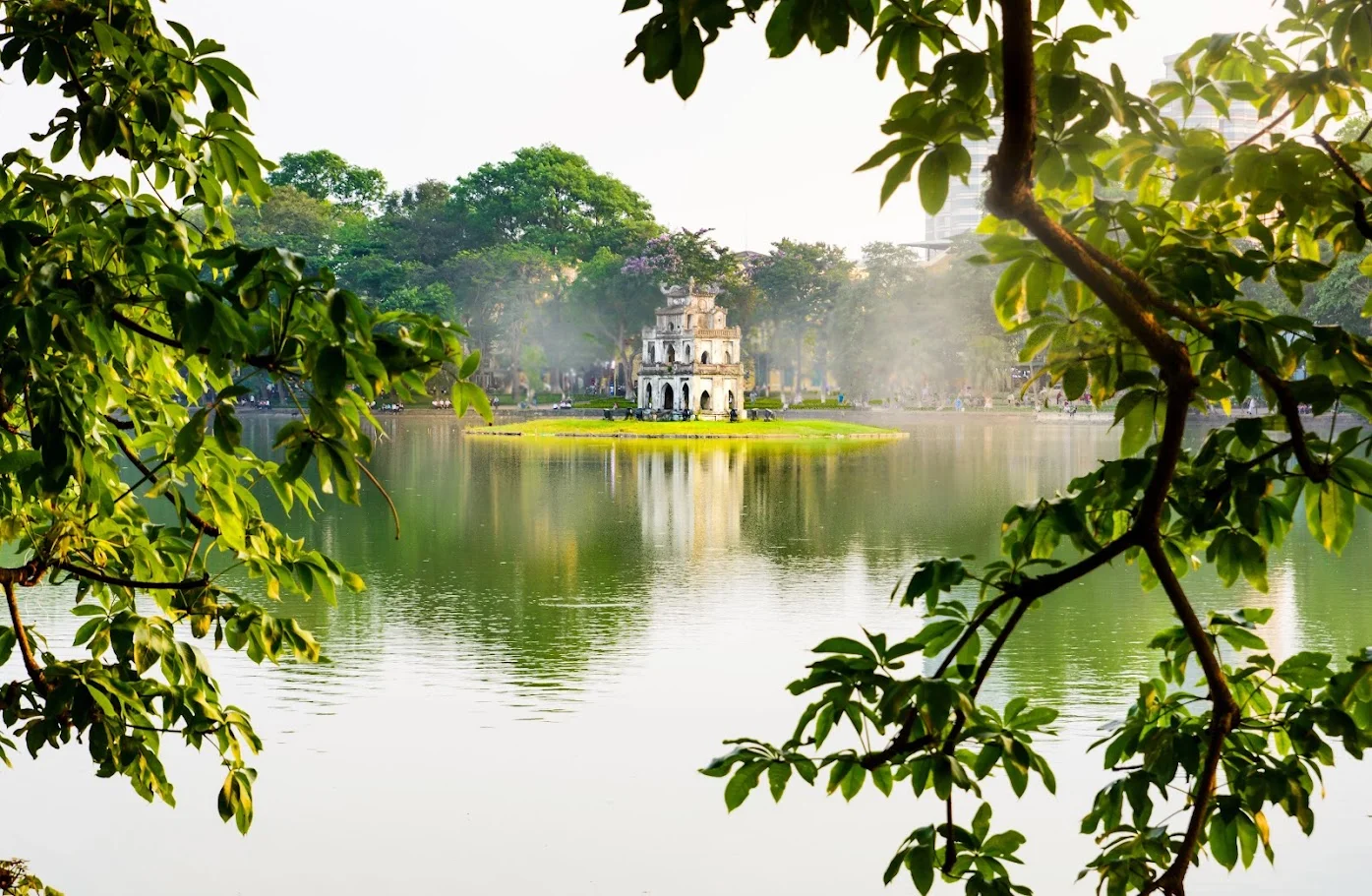
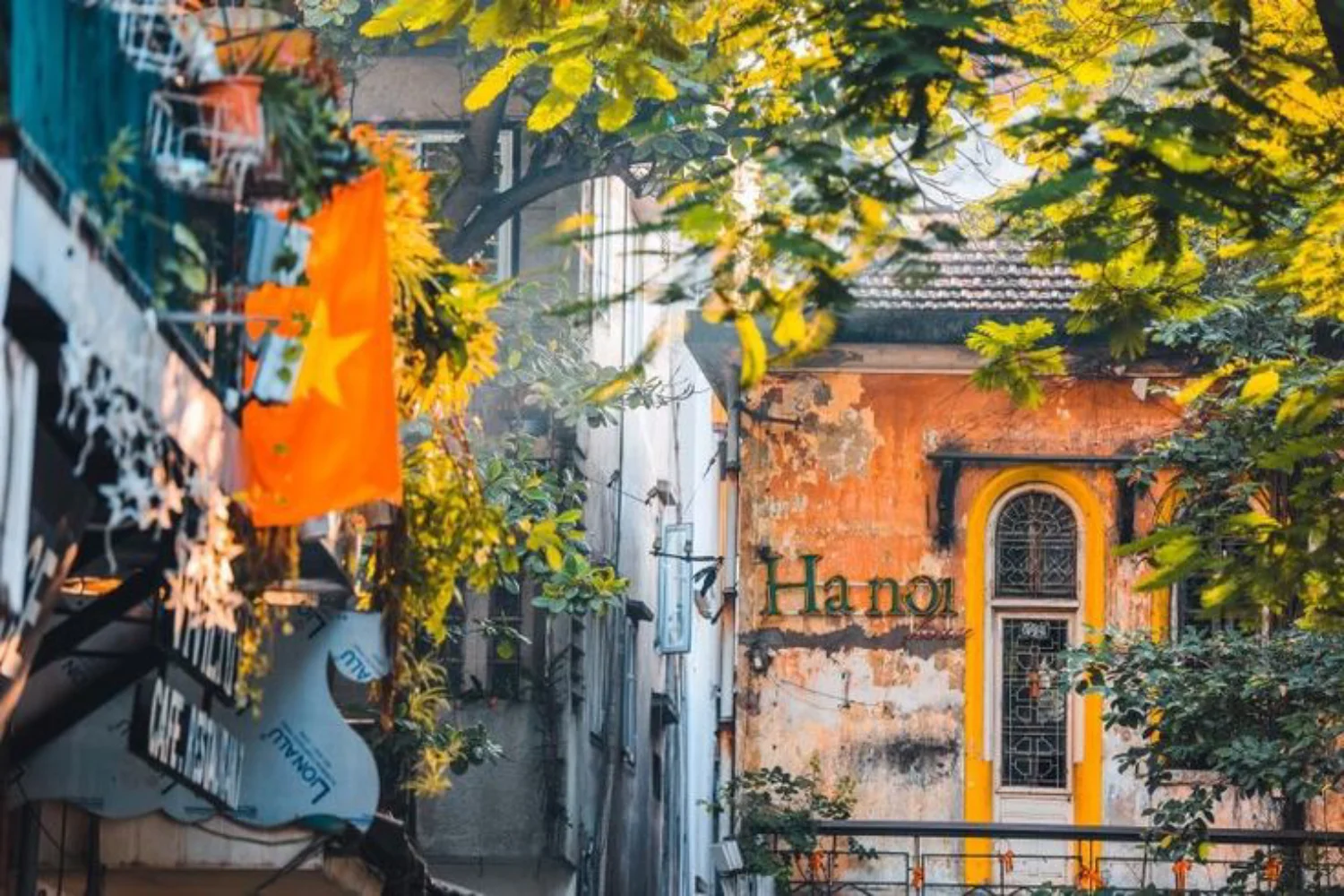
Northern Vietnam is a strong choice for travelers interested in history, mountain landscapes, and traditional communities. Hanoi is often the starting point, with its Old Quarter, historic landmarks, lakes, temples, and distinctive food culture.
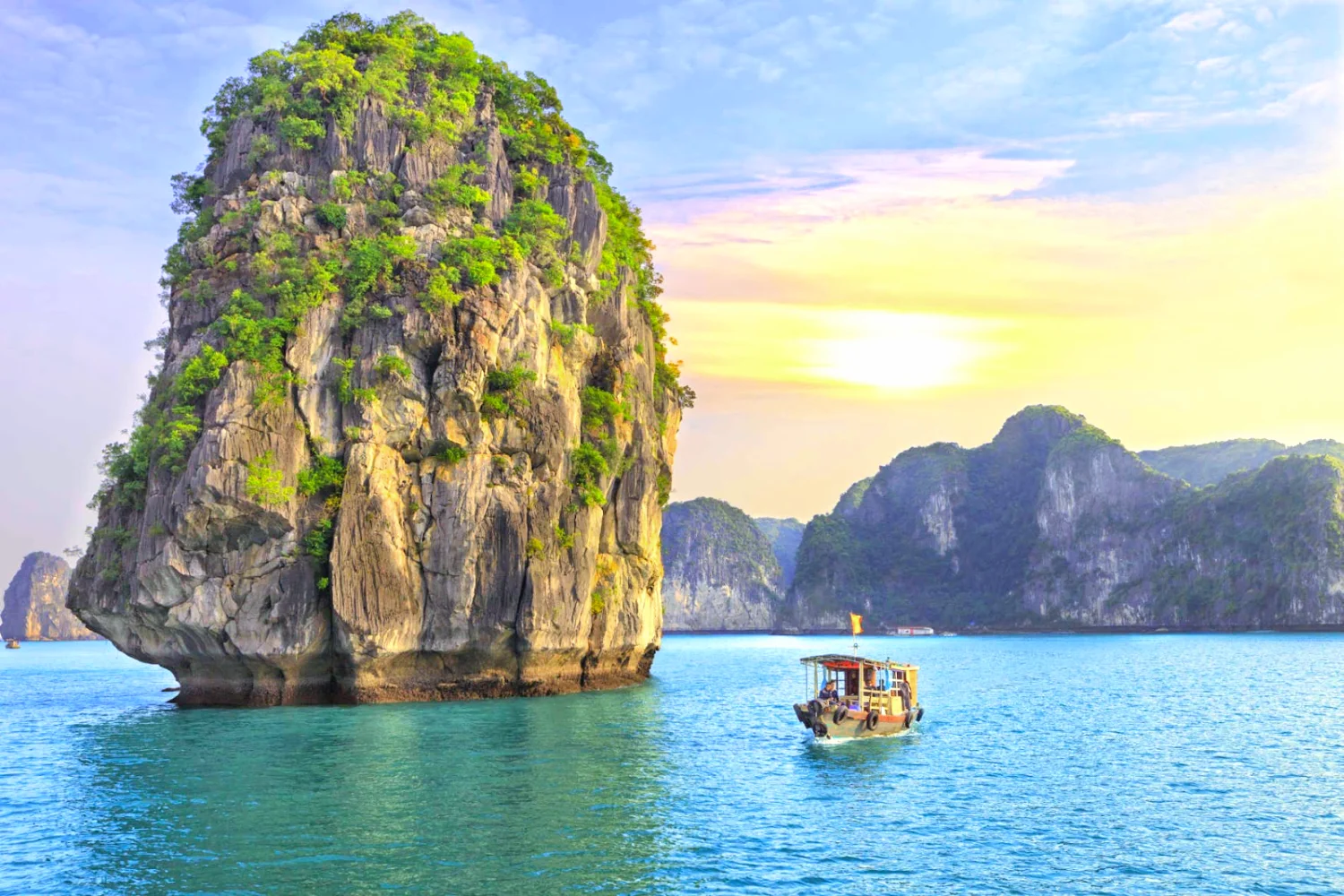
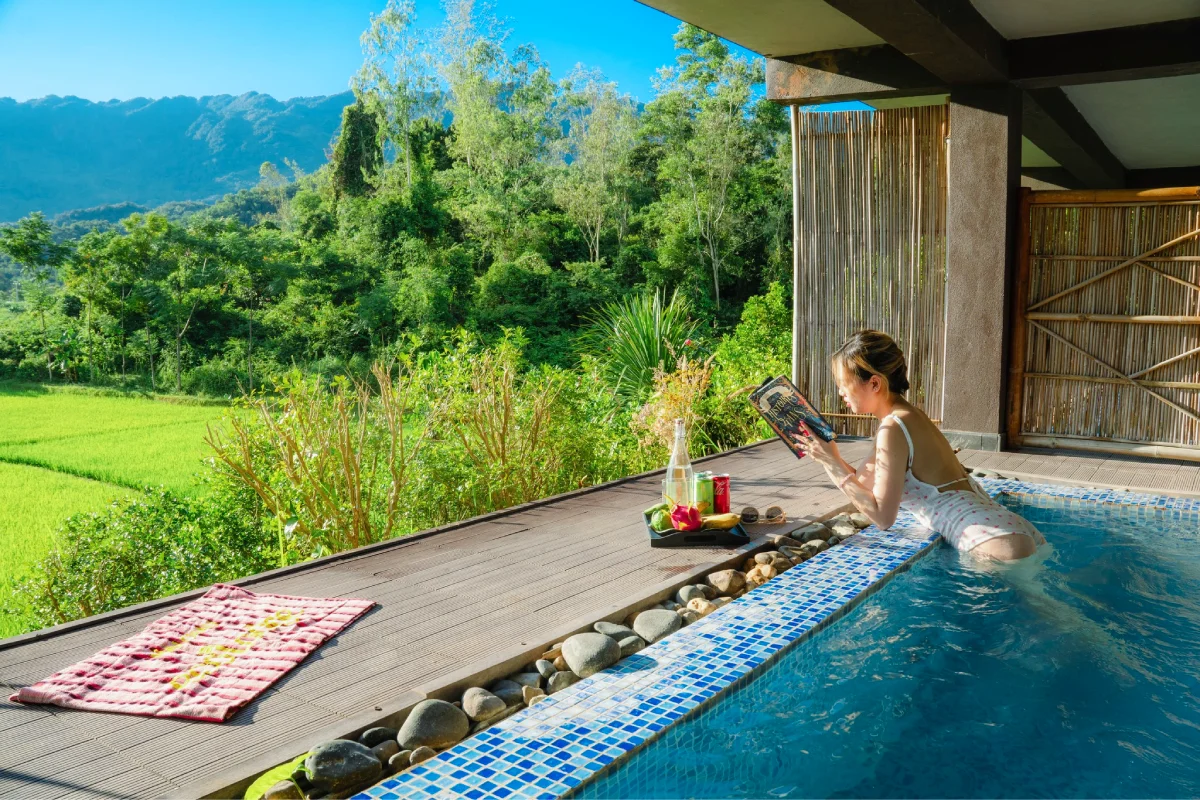
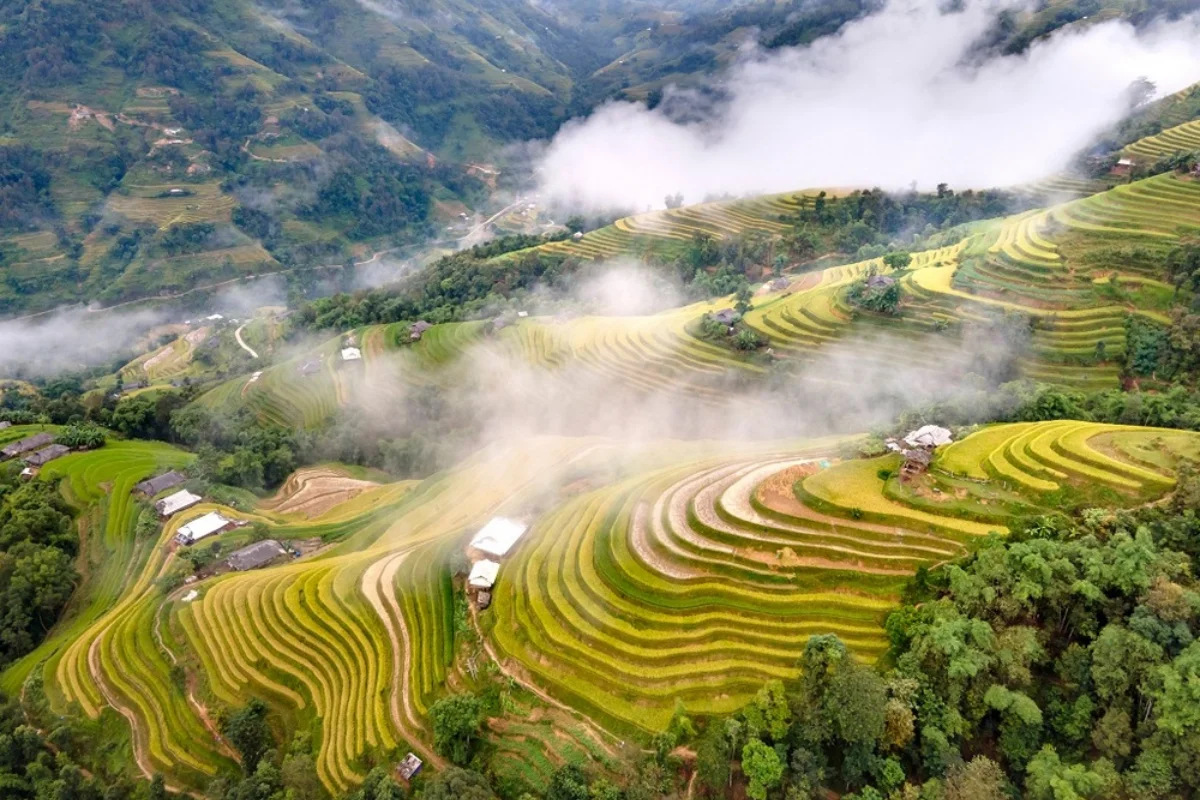
Beyond the capital, Ha Long Bay is known for its limestone islands and overnight cruises, while Ninh Binh combines dramatic karst scenery with rivers, caves, temples, and rural landscapes. Travelers looking for mountains can continue towards Sapa, Ha Giang, Mai Chau, Pu Luong, or Mu Cang Chai, where rice terraces, winding mountain roads, and ethnic villages become central to the experience. A week can be enough to explore a focused northern route, while longer trips allow you to combine Hanoi and the lowlands with several days in the mountains.
Central Vietnam
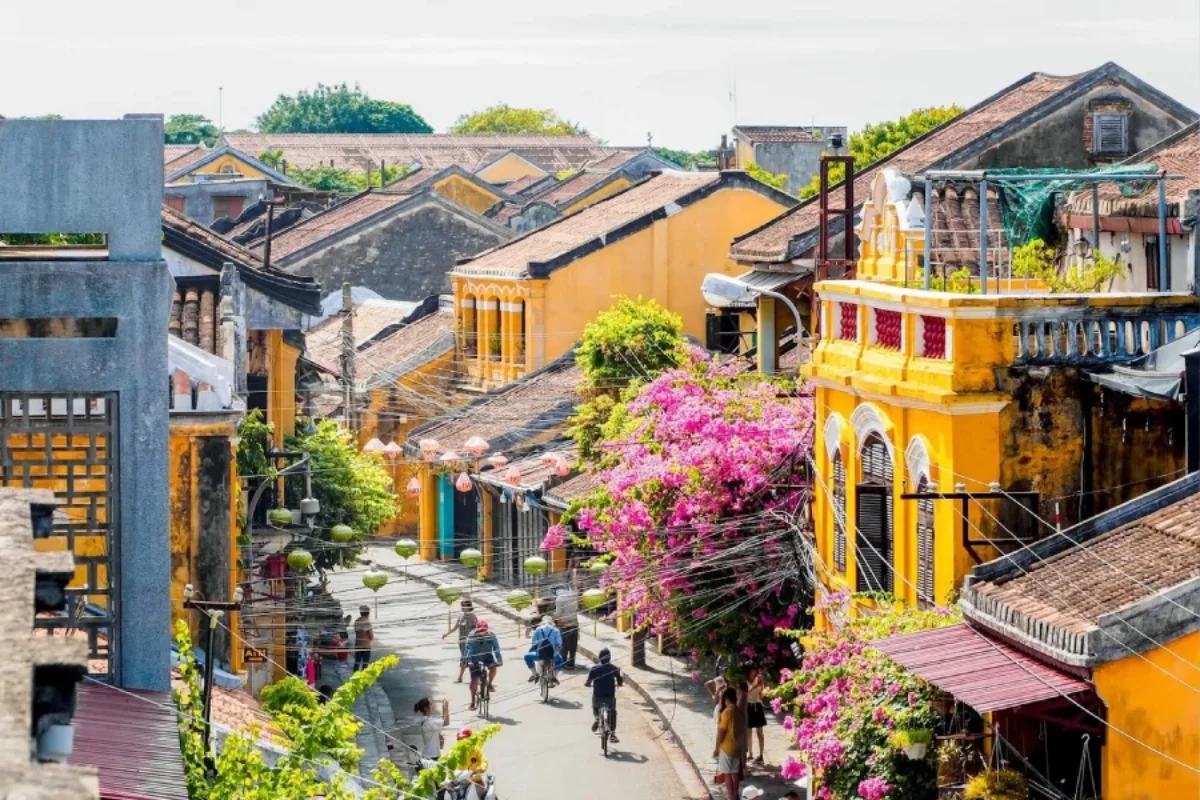
Central Vietnam brings together some of the country's most important cultural and historical destinations. Hue, the former imperial capital, is known for its citadel, royal tombs, pagodas, and cuisine. Hoi An offers a very different atmosphere, with its preserved old town, historic merchant houses, lantern-lit streets, and riverside setting.
Da Nang provides a convenient base between the two, with beaches, mountains, and good transport connections. The region works particularly well for travelers who want to combine heritage with food, coastal scenery, and a more relaxed pace.
Southern Vietnam
Southern Vietnam offers a warmer climate, energetic cities, and a strong connection to river life. Ho Chi Minh City is the main gateway, with historic landmarks, markets, contemporary cafés, and one of the country's most varied food scenes.
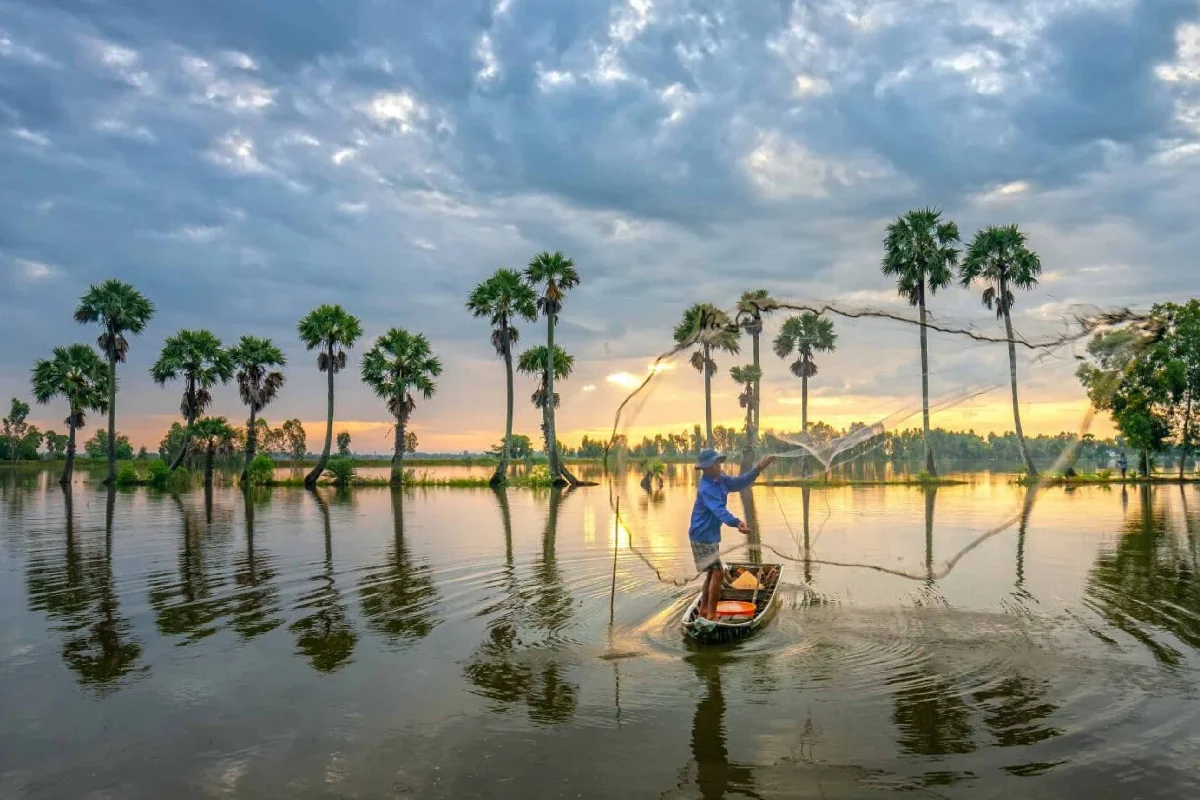
A trip south can then continue into the Mekong Delta, where rivers and canals connect villages, orchards, farms, and local markets. Ben Tre and Can Tho are popular bases for exploring the region. For travelers looking to add time by the sea, Phu Quoc offers beaches and a more relaxed island setting.
3. Planning the right Vietnam itinerary
The ideal length of a Vietnam trip depends largely on how much of the country you want to experience. Vietnam's north-to-south geography means that covering several regions involves significant travel time, so the number of days should influence your route from the beginning.
With 3 to 5 days, it is better to focus on one area. Hanoi combined with Ha Long Bay and Ninh Binh makes a well-rounded northern itinerary, while Ho Chi Minh City and the Mekong Delta work well for a short southern trip.
Around 7 days, you have more flexibility. You could explore Northern Vietnam in greater depth, combine Hanoi with a mountain destination, or focus on Central Vietnam around Hue, Hoi An, and Da Nang. Another option is a Southern Vietnam itinerary combining Ho Chi Minh City with several days in the Mekong Delta.
With 10 to 14 days, it becomes possible to connect multiple regions. A classic route might include Hanoi, Ha Long Bay, Central Vietnam, and Ho Chi Minh City, with additional time for Ninh Binh or the Mekong Delta. Travelers with two weeks or more can also consider extending the trip into Laos or Cambodia.
The key is to think about travel rhythm as well as distance. A route may look manageable on a map but become tiring if every day involves checking out, driving to another destination, and starting another sightseeing program. Leaving room for slower days, local experiences, and unplanned moments often makes a multi-city trip more enjoyable.
4. Getting around and experiencing Vietnam
Vietnam offers several ways to move between destinations, and the best option depends on both distance and the type of experience you want.
Domestic flights are useful for longer journeys between Hanoi, Da Nang, Hue, and Ho Chi Minh City. They save considerable time when traveling between the north and south. Trains are another option for selected routes, particularly for travelers who enjoy slower overland journeys and want to see more of the countryside.
For mountain destinations such as Ha Giang, Mu Cang Chai, Mai Chau, and Pu Luong, private cars and guided overland trips are often more practical. Roads can be winding and travel times longer than expected, but the journey itself is part of the experience. Stops at viewpoints, villages, markets, and local restaurants can turn a long transfer into one of the highlights of the trip.
Water is equally important to the Vietnamese travel experience. Overnight cruises are a popular way to experience Ha Long Bay, while boats and sampans provide access to the waterways of the Mekong Delta. In destinations such as Hoi An, Mai Chau, or the Mekong countryside, walking and cycling offer a closer look at local life.
Food should also have a place in your itinerary. Vietnam's regional diversity is reflected in its cuisine, from northern pho and Hanoi-style dishes to Central Vietnamese specialties and the sweeter, more tropical flavors found in the south. Street food, local restaurants, markets, cooking experiences, and Vietnamese coffee all offer easy ways to connect with the places you visit.
5. Practical things to know before you go
Vietnam's climate varies considerably between regions, so there is no single best month for the entire country. Northern Vietnam experiences cooler winters and distinct seasonal changes, while Central and Southern Vietnam follow different rainfall patterns. If your itinerary covers several regions, check the weather for each destination rather than relying on a national forecast.
Packing should follow your itinerary. Lightweight clothing works well for cities and the south, while mountain destinations can require warmer layers, particularly during cooler months. Comfortable walking shoes are useful almost everywhere, and modest clothing is appropriate when visiting temples, pagodas, and other religious sites.
Cash remains useful for small restaurants, markets, street food stalls, and rural areas, although cards are widely accepted at hotels, larger restaurants, and many modern businesses. ATMs are easy to find in major cities, while having some local currency available is helpful when traveling outside urban centers.
Travel etiquette is generally straightforward. Dress respectfully at religious sites, ask before photographing people in more intimate local settings, and be mindful of local customs when visiting villages or ethnic communities. A friendly attitude goes a long way, particularly when interacting with local families and small businesses.
For connectivity, travelers can use a local SIM or eSIM, while Wi-Fi is widely available in hotels, cafés, and restaurants. Visa requirements depend on nationality and current entry regulations, so check the latest official requirements before departure.
6. Start planning your Vietnam trip
A great first trip to Vietnam does not need to cover every famous destination.
Start with the regions that match your interests, decide how much time you can comfortably spend, and build an itinerary that leaves space for food, culture, nature, and local experiences. Whether you have a few days in the north or two weeks to travel across the country, the best itinerary is one that gives you enough time to enjoy where you are rather than constantly thinking about the next stop.
Read this next