Hanoi Travel Guide 2026: Best places to visit and things to do
Content []
1. Getting to know Hanoi
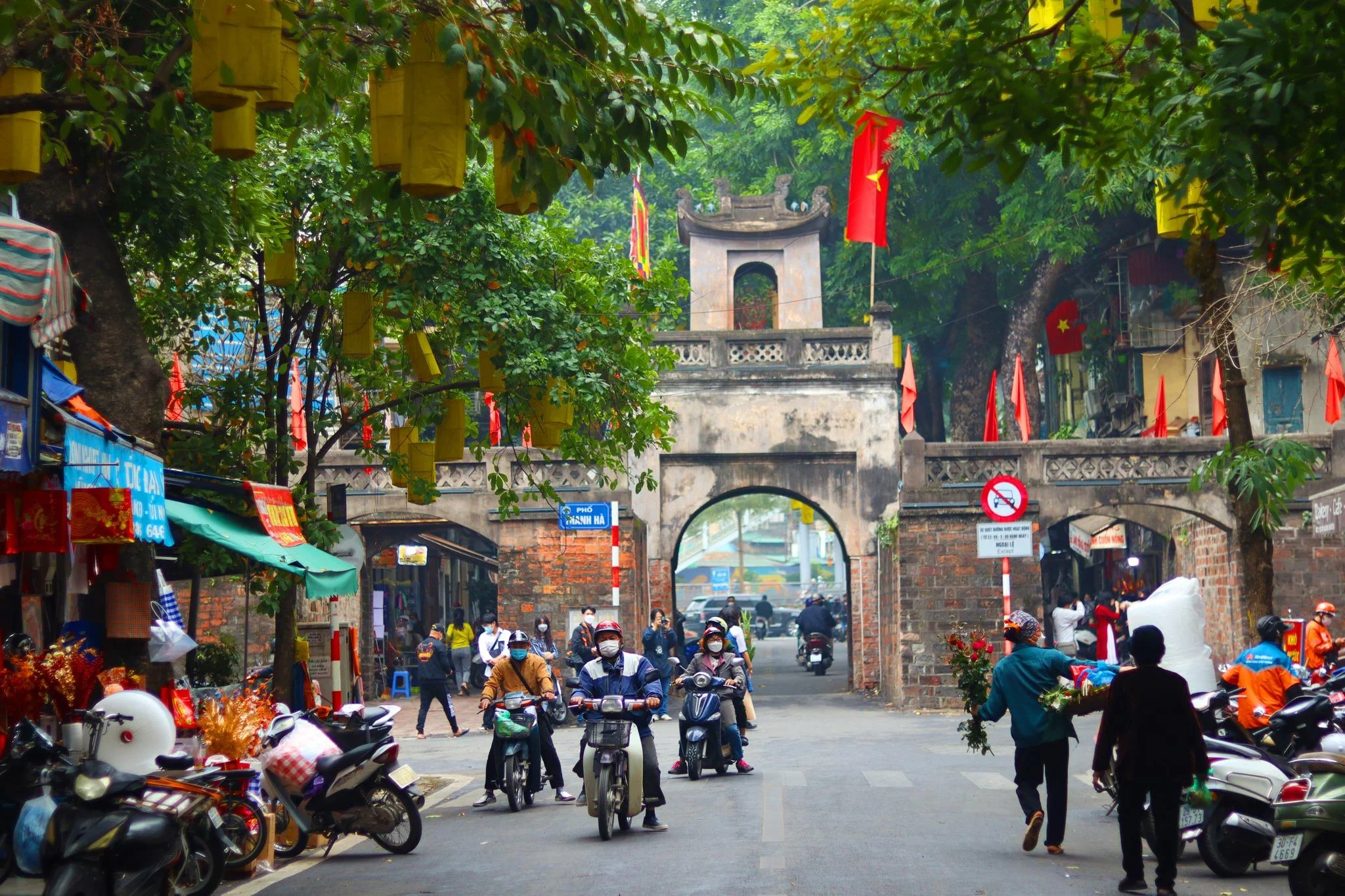
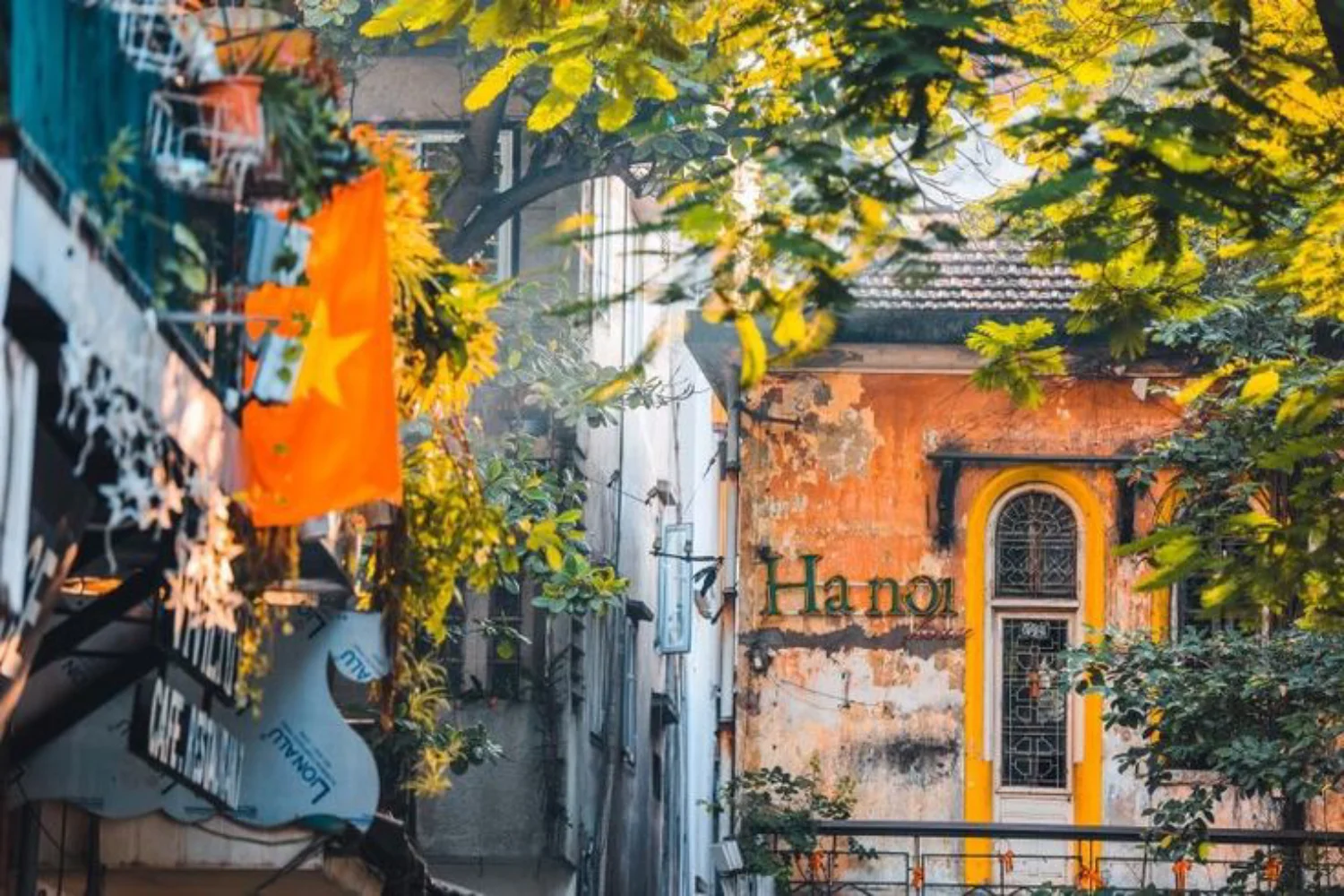
Hanoi is a city of contrasts. Ancient temples sit beside modern cafés, French colonial buildings share streets with narrow Vietnamese shophouses, and quiet residential lanes can begin just a few steps from the busiest parts of the capital. Its history stretches back more than a thousand years, yet the city continues to change with new restaurants, creative spaces and neighbourhoods.
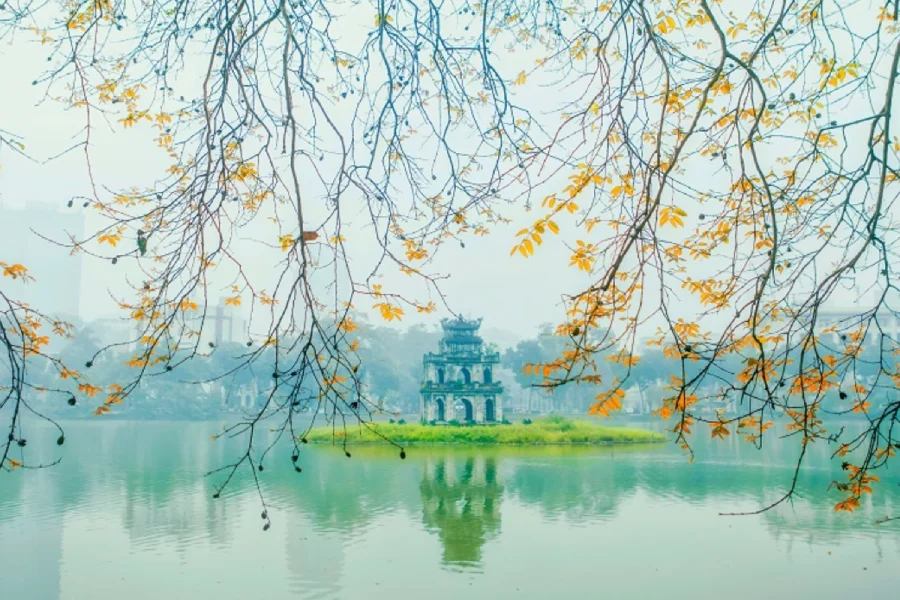
For first-time visitors, the area around Hoan Kiem Lake and the Old Quarter is the natural starting point. This is where many of Hanoi's familiar experiences come together: historic streets, street food, local markets, cafés and small shops. Ba Dinh has a more formal character, with major sites connected to Vietnamese history, while the French Quarter introduces a different architectural style. Further west, West Lake offers a more spacious and contemporary side of the city.
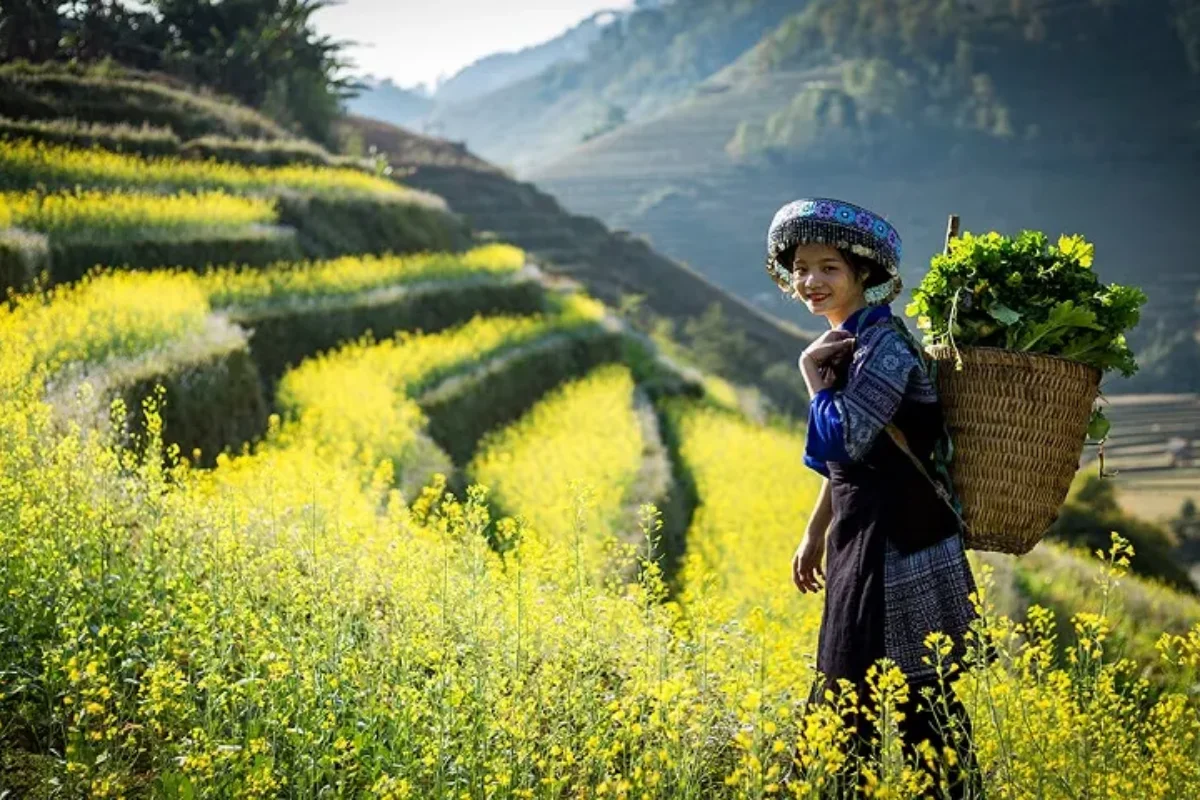
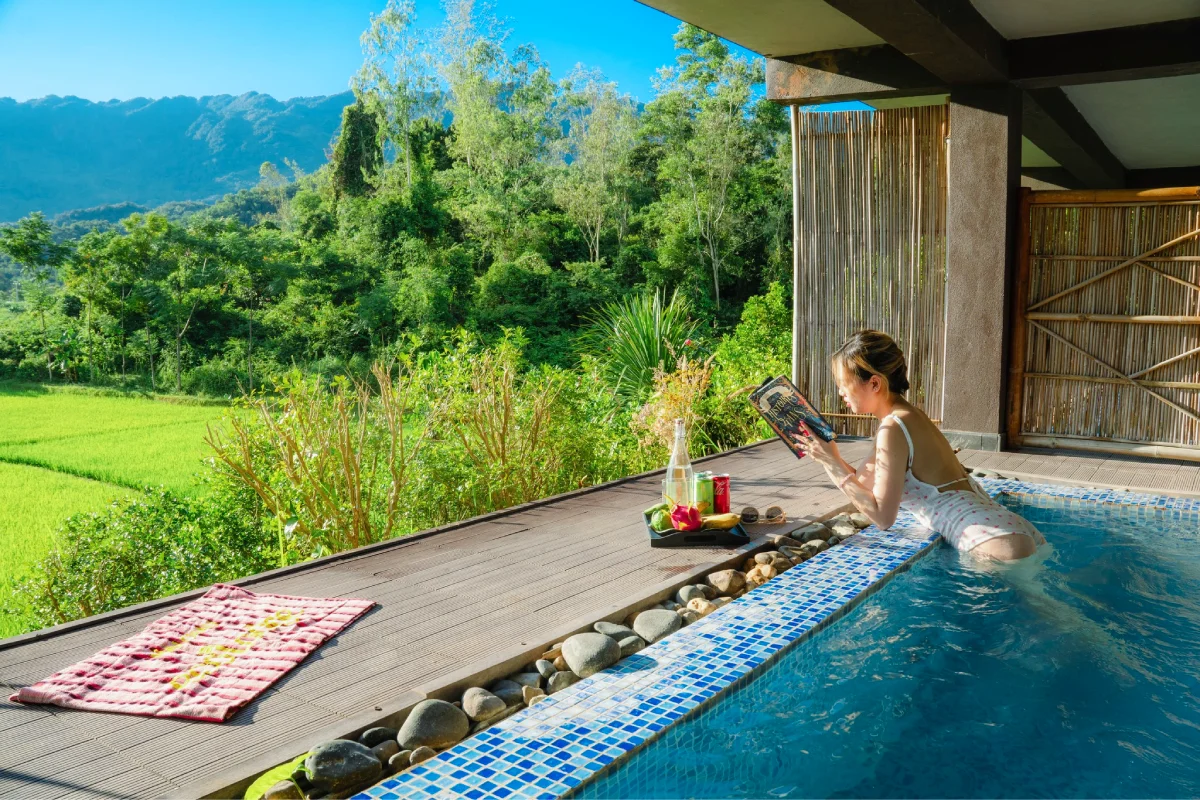
Hanoi is also a natural gateway to Northern Vietnam. Ninh Binh, Ha Long Bay, Mai Chau, Pu Luong, Sapa and Ha Giang can all be incorporated into a longer journey, but the capital deserves time of its own. Rather than trying to see every attraction, combine several important landmarks with food, walking, coffee and time in local neighbourhoods.
2. Best places to visit in Hanoi
2.1. Hoan Kiem Lake & Hanoi Old Quarter
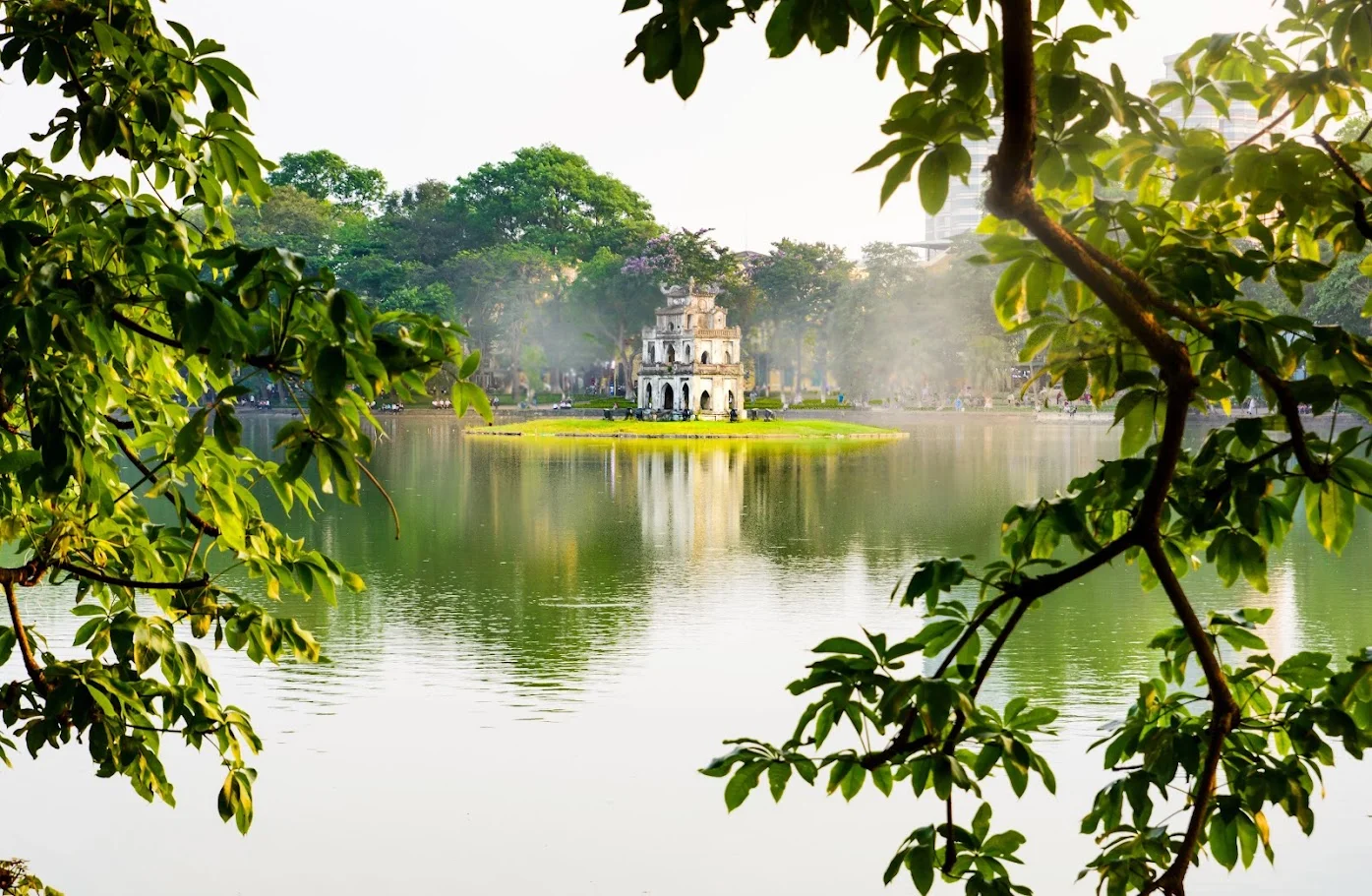
Start with Hoan Kiem Lake, one of the easiest places to get your bearings in central Hanoi. Early in the morning, residents gather around the lake to exercise and socialize. Later, the surrounding streets become busier with shops, restaurants and visitors.
Ngoc Son Temple, reached by the red Huc Bridge, sits on a small island in the lake and makes a natural stop during a walk. From here, continue into the Old Quarter, where narrow streets and traditional shophouses reflect the area's long commercial history.
Rather than following a fixed sightseeing route, leave time to wander. Some of the best experiences here are simple ones: a local breakfast, a bowl of bun cha, a cup of Vietnamese coffee or an evening walk through the pedestrian streets.
2.2. Ho Chi Minh Complex
The Ho Chi Minh Complex in Ba Dinh brings together several sites associated with modern Vietnamese history. The Ho Chi Minh Mausoleum, Presidential Palace, Ho Chi Minh's former residence and One Pillar Pagoda can be visited as part of the same morning.
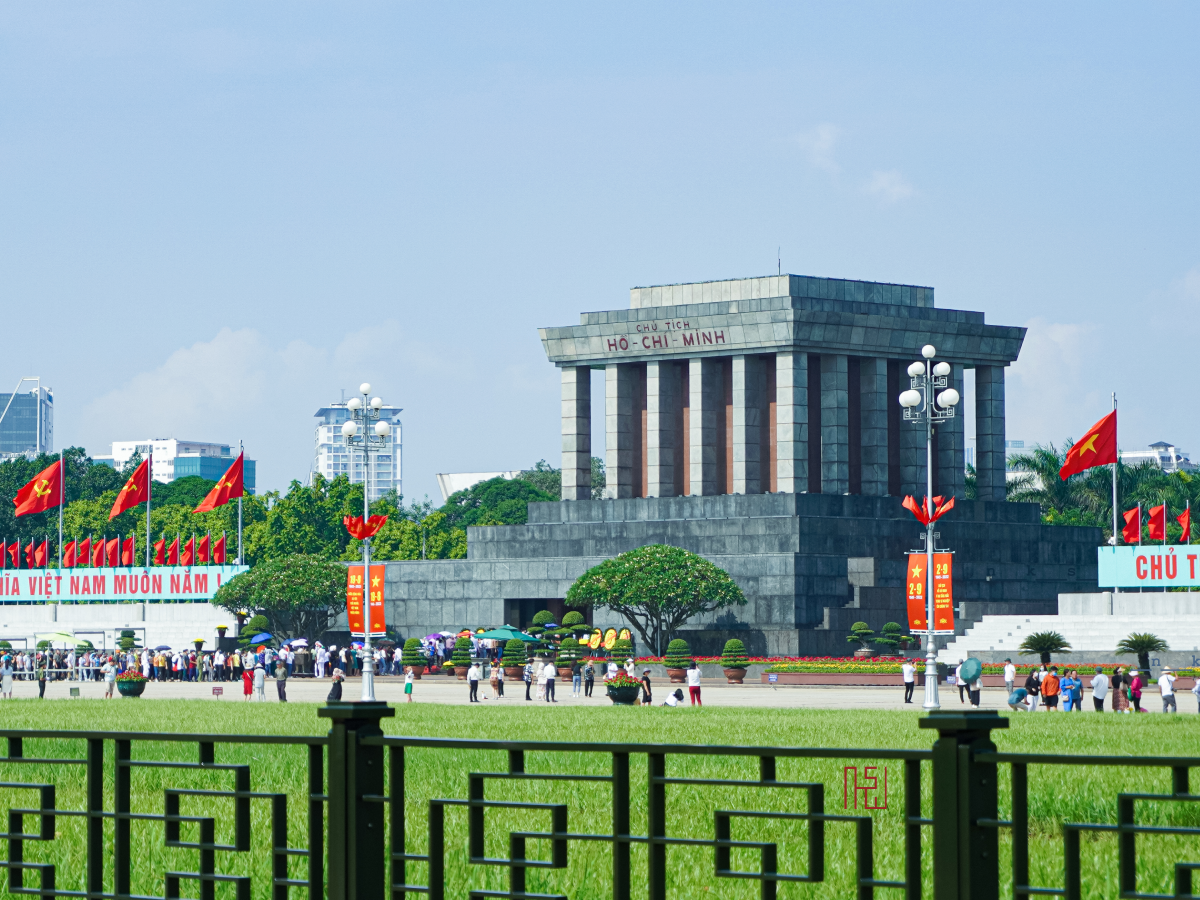
The mausoleum is a solemn site, so visitors should dress appropriately and follow the regulations for entry. Visiting arrangements can differ from other attractions, so check the latest schedule before going.One Pillar Pagoda takes less time to explore, but its distinctive lotus-inspired design makes it one of Hanoi's most recognizable landmarks. The wider Ba Dinh area is also convenient to combine with the Temple of Literature and Imperial Citadel.
2.3. Temple of Literature & Imperial Citadel of Thang Long
The Temple of Literature offers a quieter introduction to Hanoi's cultural history. Founded in 1070 and later associated with the Imperial Academy, it became an important centre of Confucian education. Its courtyards, gardens and traditional buildings are especially appealing after spending time in the busy city centre.
Look for the 82 doctoral stelae, which commemorate scholars who passed the royal examinations and illustrate the importance of education in historical Vietnamese society.
The nearby Imperial Citadel of Thang Long takes you further into Hanoi's political history. Archaeological remains reveal layers from different periods, while structures such as Doan Mon Gate and the Flag Tower remain visible today. The site was recognized as a UNESCO World Heritage Site in 2010.
2.4. French Quarter
South of Hoan Kiem Lake, Hanoi changes character. Wider streets and colonial-era buildings replace much of the dense street pattern found in the Old Quarter.
The Hanoi Opera House is the area's most recognizable landmark, while Trang Tien Street and surrounding blocks are worth exploring on foot. There is no need to dedicate an entire day to the French Quarter. A walk combined with lunch, coffee or dinner is usually enough to appreciate its architecture and atmosphere.Visiting both the French Quarter and Old Quarter is worthwhile because the contrast between them reveals two very different layers of Hanoi's urban history.
2.5. West Lake & Tran Quoc Pagoda
West Lake offers a more spacious and residential side of Hanoi. The area is filled with cafés, restaurants, hotels and quieter streets, making it a useful escape from the intensity of the Old Quarter.
The main cultural attraction is Tran Quoc Pagoda, one of the city's oldest Buddhist temples. Its position beside the lake makes it particularly pleasant to visit towards late afternoon.There is no need to rush through West Lake. Walk along the water, stop at a café or choose a restaurant for dinner. For travelers staying several days in Hanoi, it is a good way to experience a less tourist-focused side of the capital.
3. Best things to do in Hanoi
Seeing Hanoi's landmarks is only part of the experience. Much of the city's character comes from what happens between them.
3.1. Explore Hanoi on foot
Walking is particularly rewarding around Hoan Kiem Lake, the Old Quarter and the French Quarter. These areas are close enough to connect in a single outing, while the streets themselves provide plenty to observe.
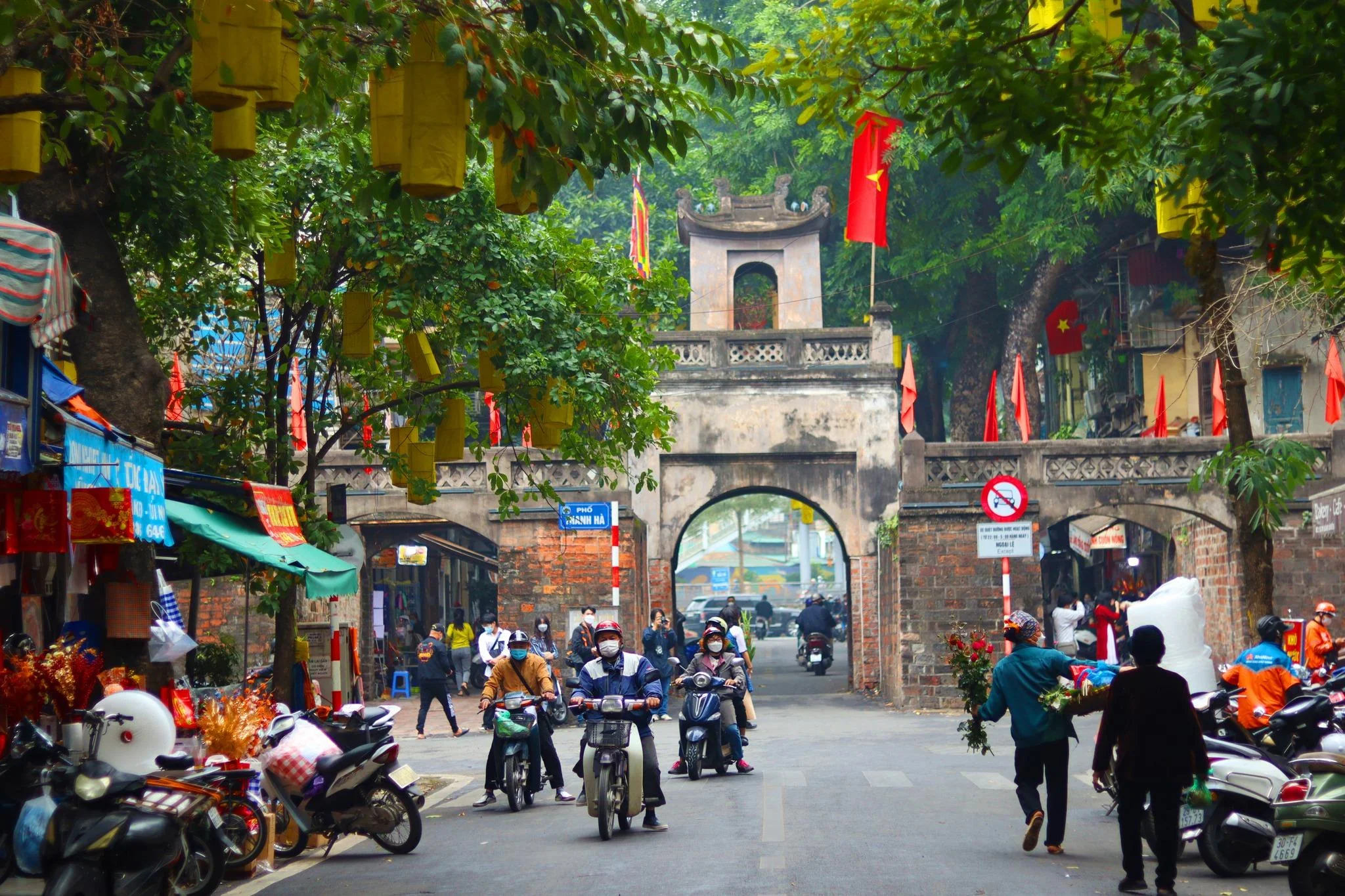
Don't worry about covering every street. Choose a direction and explore at your own pace. Small shops, old houses, cafés and food stalls often reveal more about everyday Hanoi than another major attraction.
3.2. Eat your way through Hanoi
Food deserves a central place in any Hanoi itinerary. The city is known for dishes such as pho, bun cha, banh cuon and cha ca, but the experience goes beyond individual dishes.Try breakfast at a local eatery, have lunch somewhere known for a regional specialty, and leave an evening for street food. Small restaurants and food stalls are often part of the neighbourhood itself, so eating locally also becomes a way of exploring the city.
Do not leave without trying Vietnamese coffee, particularly Hanoi's famous egg coffee. Traditional drip coffee with condensed milk is another simple introduction to the country's coffee culture.
3.3. Visit a local market
Dong Xuan Market is the largest covered market in the Old Quarter and a useful place to see Hanoi's commercial side. It is less about buying souvenirs and more about observing the range of goods moving through one of the city's long-established trading areas.
Smaller neighbourhood markets can offer an even more local experience, particularly in the morning when fresh produce, meat, seafood and household goods are being traded.
3.4. Experience Hanoi after dark
Hanoi changes noticeably after sunset. The streets around Hoan Kiem become livelier, while the Old Quarter fills with restaurants, food stalls and cafés.
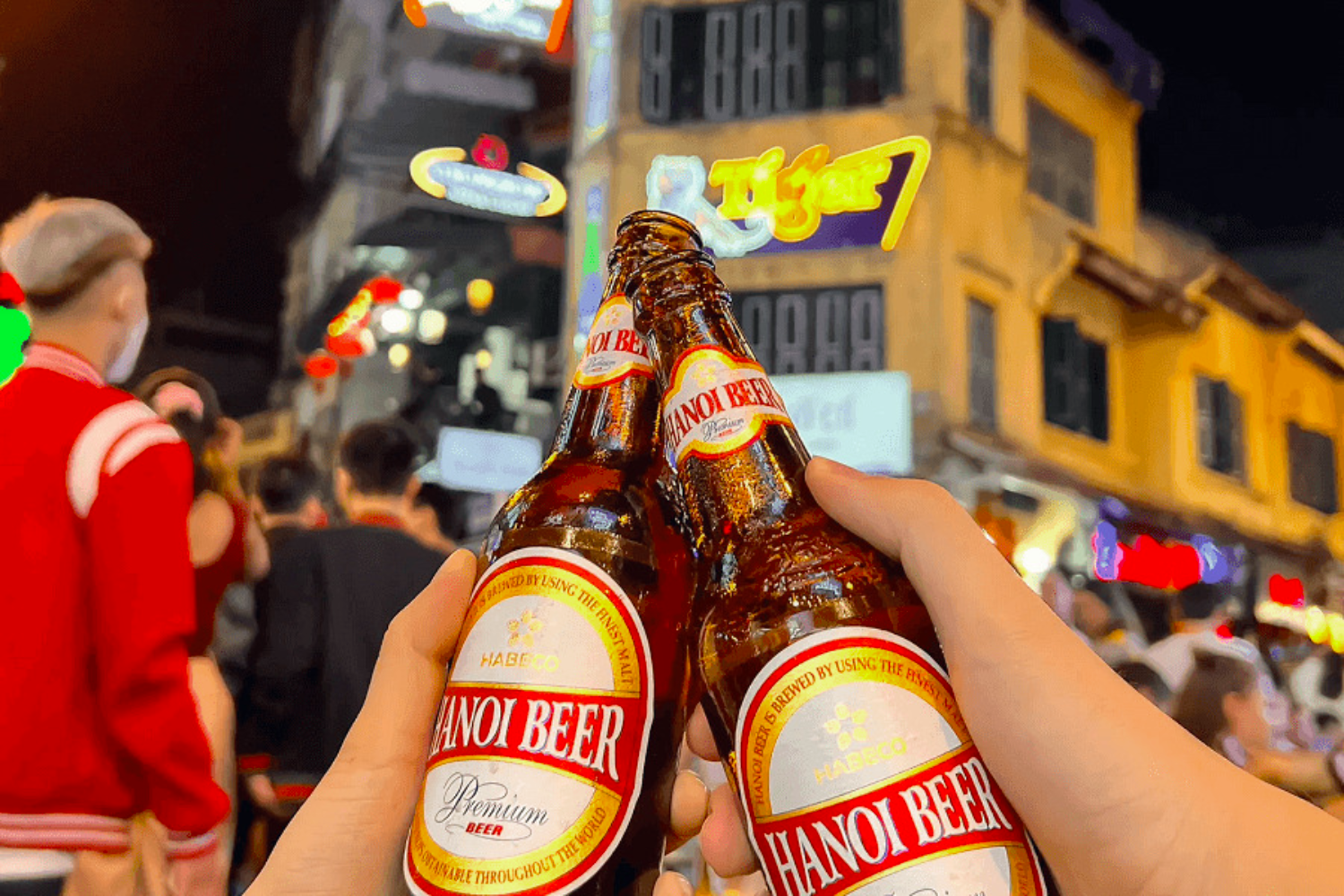
Depending on your interests, an evening might include: A street food tour Water puppet theatre Walking around Hoan Kiem Lake Vietnamese beer and local snacks Live music or contemporary cafésThere is no need to plan every evening around entertainment. Sometimes dinner followed by a slow walk through the city is enough.
4. Practical guide to visiting Hanoi
4.1. Getting around
Central Hanoi is best explored on foot, but the city is too large to walk everywhere. Taxis and ride-hailing services are convenient for longer distances, particularly between the Old Quarter, Ba Dinh and West Lake. Cyclo rides can be an enjoyable sightseeing experience around the central districts, although they are less practical when you need to travel a significant distance.
Traffic can be busy and crossing roads may feel unfamiliar at first. Allow extra time when moving between neighbourhoods rather than relying entirely on distances shown on a map.
4.2. Where to stay
Your choice of neighbourhood can shape the Hanoi experience.
- Old Quarter: best for first-time visitors who want food, nightlife and easy access to central attractions.
Hoan Kiem / French Quarter: convenient for sightseeing, restaurants and higher-end hotels.
West Lake: quieter, with more space, cafés and international dining.
Ba Dinh: useful for travelers interested in history and a more residential atmosphere.
For a short first visit, staying around Hoan Kiem generally makes sightseeing easier.
4.3. When to visit Hanoi
Hanoi experiences noticeable seasonal changes. Autumn, particularly around September and October, is often considered one of the most pleasant periods for walking and outdoor sightseeing. Spring can also be comfortable, while summer is hotter and more humid with a higher chance of rain.
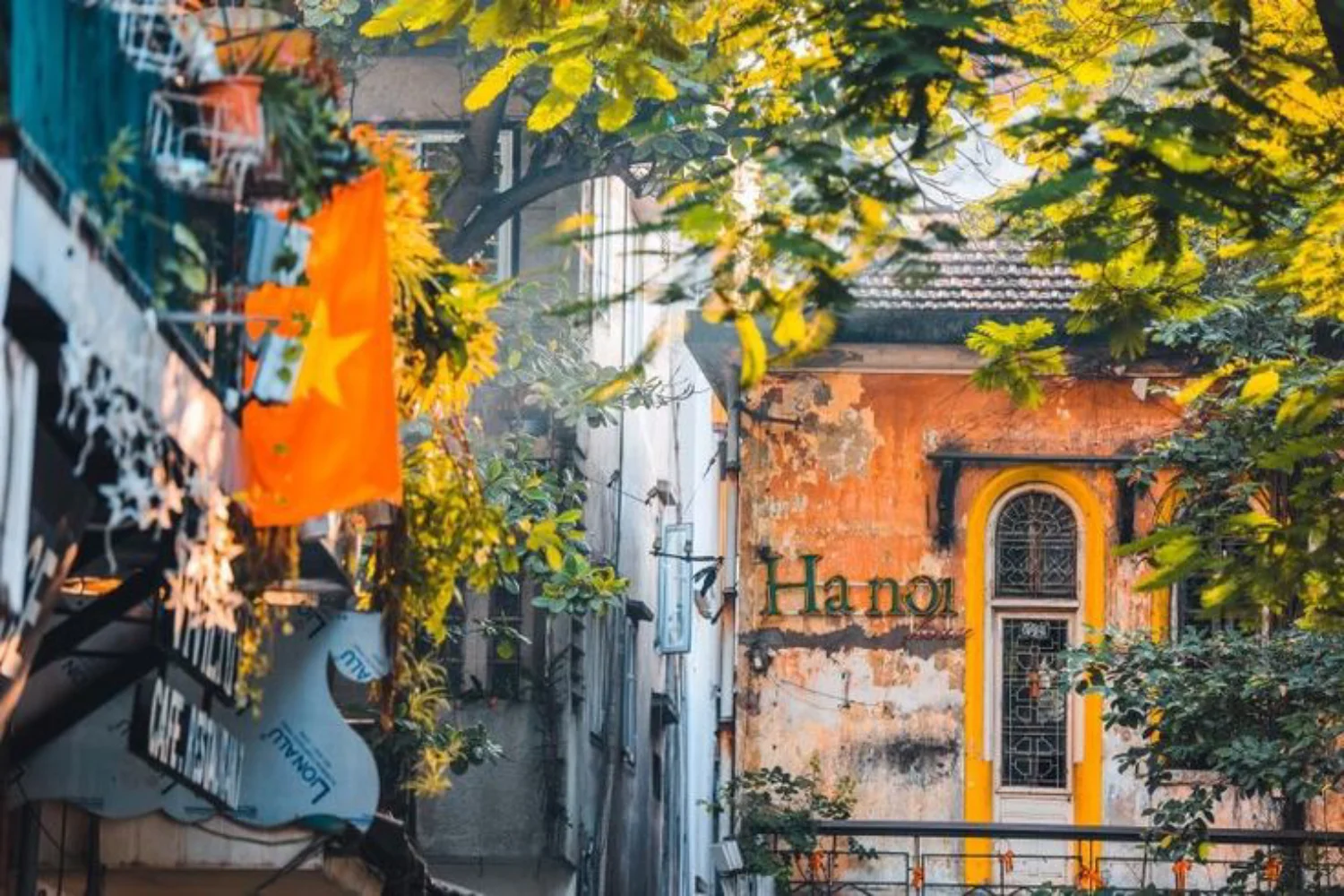
Winter brings cooler temperatures and occasionally damp, overcast days. If Hanoi is part of a wider Northern Vietnam itinerary, check conditions for your mountain destinations as well, since temperatures can be considerably different from the capital.Tet and major public holidays can change opening hours, traffic and the availability of some services, so plan accordingly.
4.4. How many days do you need?
You can see several major landmarks in one day, but the experience will be quite compressed. Two days gives you enough time for the historic centre, major cultural sites and local food.
With three days, there is room to slow down and explore beyond the main attractions. You can dedicate one day to heritage, another to food and neighbourhoods, and keep the third more flexible.For a first visit, three days is a comfortable starting point if your wider Vietnam itinerary allows it.
5. Making the most of your Hanoi Trip
The best Hanoi itinerary is not necessarily the one with the longest attraction list. Group places by neighbourhood, allow enough time for meals and breaks, and avoid crossing the city repeatedly just to fit another landmark into the schedule.Give yourself at least one period of completely unplanned time. It could become a long coffee break, an unexpected food discovery, a walk through a residential street or simply a slower afternoon around the lake.
If Hanoi is the beginning of a Northern Vietnam journey, it also makes sense to use the city as a base for planning the next stage. Ninh Binh and Ha Long Bay are natural additions for shorter trips, while travelers with more time can continue towards the mountains of Mai Chau, Pu Luong, Sapa or Ha Giang.
Three days in Hanoi can give you a strong introduction to the capital, but the city is not something that needs to be "completed." Leave with a few places you remember, a few dishes you want to try again, and a better understanding of how Hanoi's history and everyday life exist side by side.
Read this next