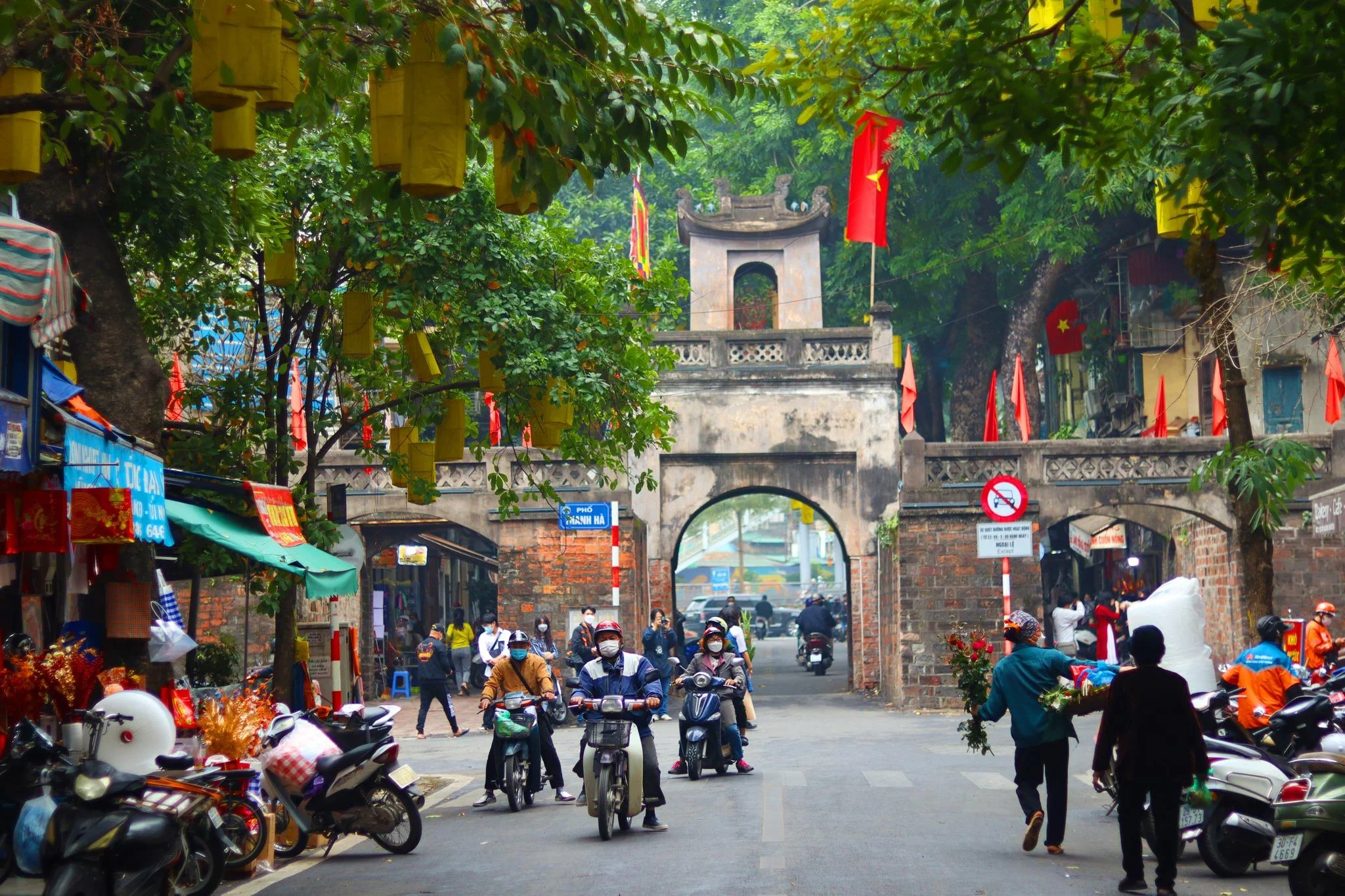
How to spend 3 days exploring Hanoi at your own pace
Content []
Why three days works well for Hanoi
Hanoi is a city that rewards taking your time. Its major landmarks are relatively concentrated around the city centre, while cafés, markets, street food stalls, historic houses, and small local shops fill the surrounding streets. You can see many of the city's highlights in a short stay without spending most of your time in a car.
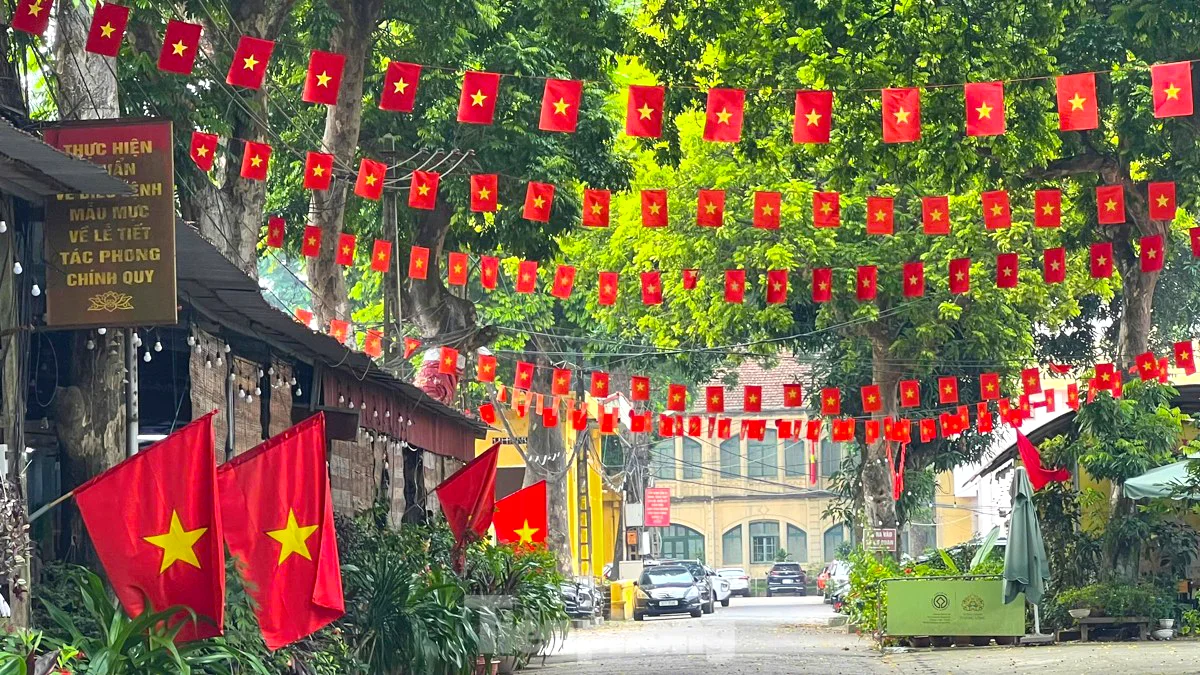
Three days also gives you room to experience different sides of Hanoi. The first day can focus on its history and heritage, the second on food and everyday life, while the final day can be slower and more flexible.Rather than planning every hour, group places that are close to each other and leave space between activities. A quiet coffee, an unplanned walk, or a return to a neighbourhood you enjoyed can become part of the experience.
Day 1 – Get to Know the Historic
Heart of HanoiStart your first morning with some of Hanoi's most important historical landmarks. The Ho Chi Minh Complex is a natural starting point, with the Presidential Palace area, Ho Chi Minh Mausoleum, and One Pillar Pagoda nearby. Check opening days and visiting hours in advance, as some sites follow specific schedules.
Continue to the Temple of Literature, one of Hanoi's best-known cultural landmarks and a former centre of learning. The courtyards, gardens, and traditional architecture offer a quieter contrast to the busy streets outside.
After lunch, visit the Imperial Citadel of Thang Long, a UNESCO World Heritage Site. The archaeological remains and surviving structures provide a glimpse into more than a thousand years of Hanoi's political and cultural history.Keep the late afternoon relatively open. Return to the hotel for a rest or find a café around the centre before heading towards Hoan Kiem Lake in the evening.
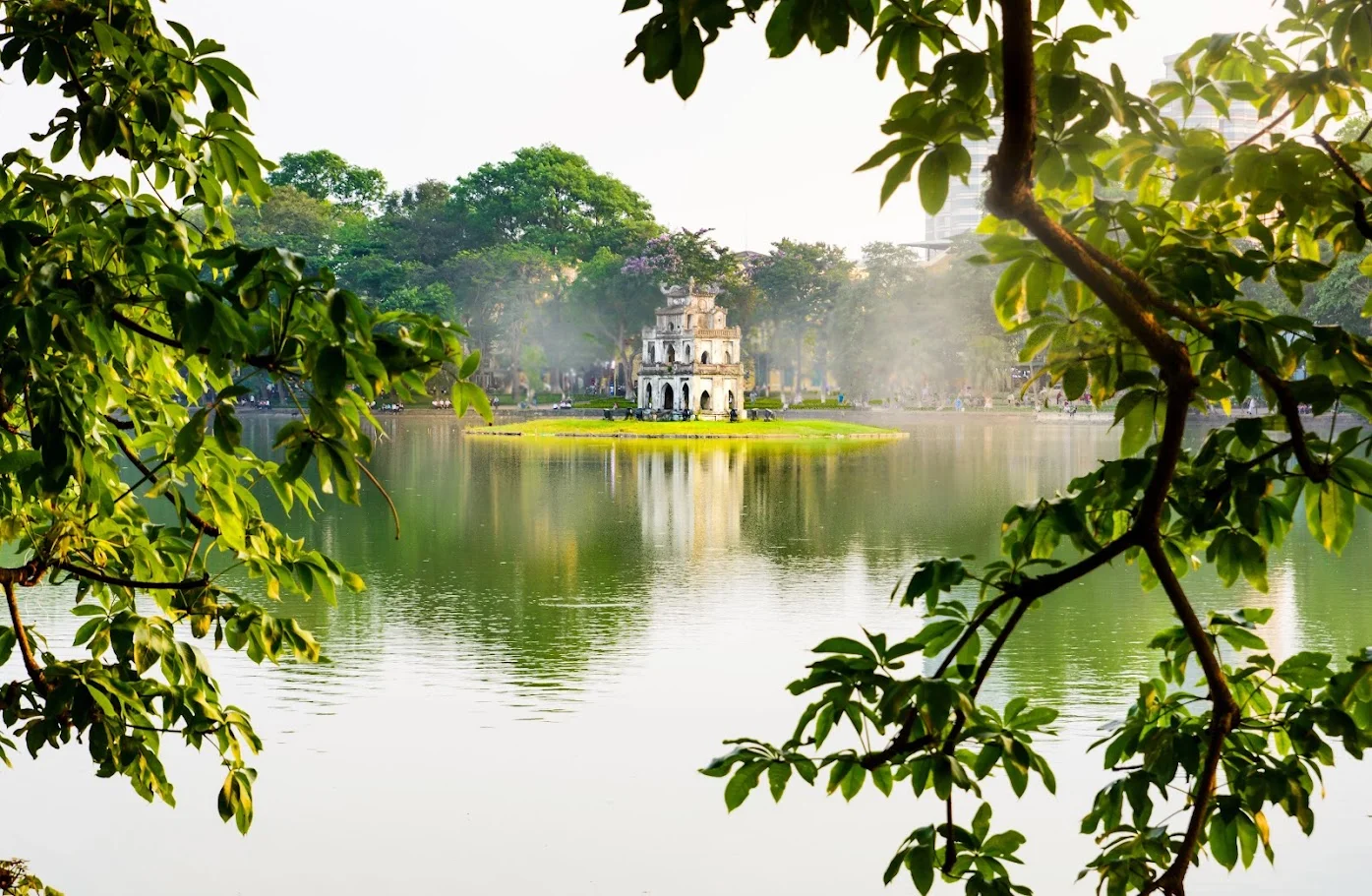
Walk around the lake and continue into the Old Quarter as the streets become livelier. This is a good time to try local dishes, browse small shops, or simply wander without a fixed destination. If you enjoy traditional performing arts, an evening water puppet show can be added to the schedule.
Day 2 – Food, Streets and Everyday Hanoi
Give the second day a different rhythm. Instead of moving between major monuments, spend more time experiencing how Hanoi feels in everyday life.
Begin with a local breakfast. Pho, bun cha, or another traditional morning dish makes a simple introduction to Hanoi's food culture. Afterwards, explore the streets around the Old Quarter, where each area historically developed around different trades and crafts.
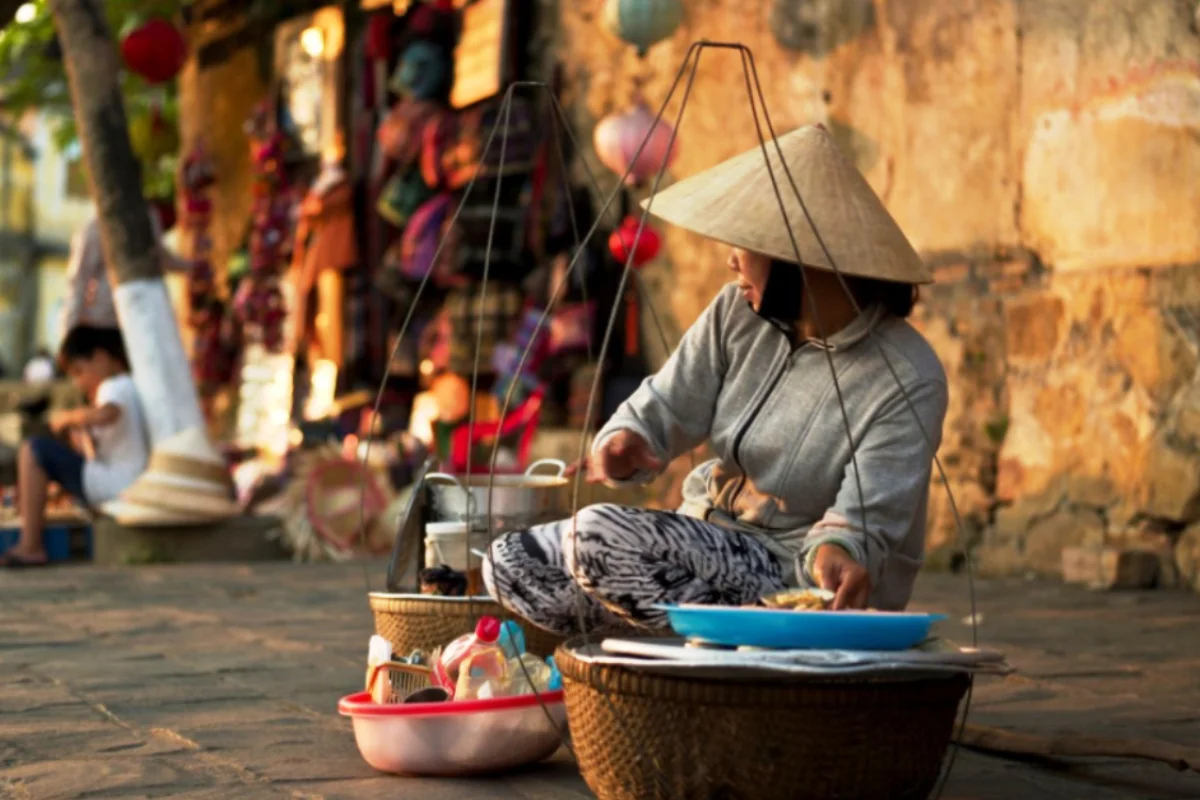
The morning is also a good time to visit a local market. Markets offer a closer look at ingredients, household goods, fresh produce, and the daily routines of Hanoi residents. You do not need a long list of places to visit; walking slowly through a neighbourhood can be enough.
For lunch, choose a local restaurant and take some time over the meal. Hanoi's food culture is worth experiencing beyond the most famous dishes, with regional specialties, family-run restaurants, and small street-side eateries found throughout the city.
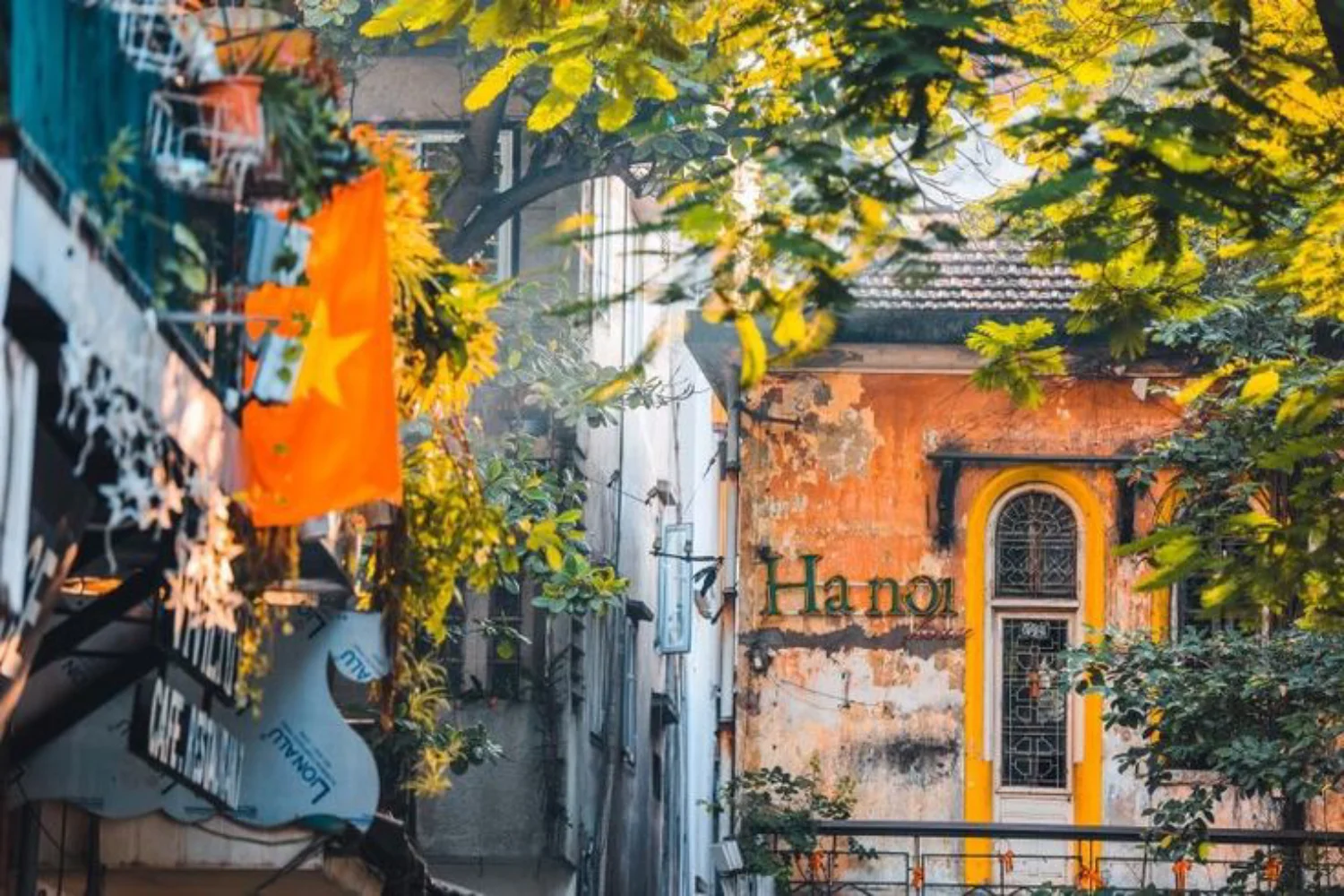
The afternoon can move towards the French Quarter, where wider streets and colonial-era buildings create a different atmosphere from the Old Quarter. Visit the Hanoi Opera House area and take a break at one of the city's cafés. Vietnamese coffee is an essential part of the Hanoi experience, whether you try traditional drip coffee or the city's famous egg coffee.
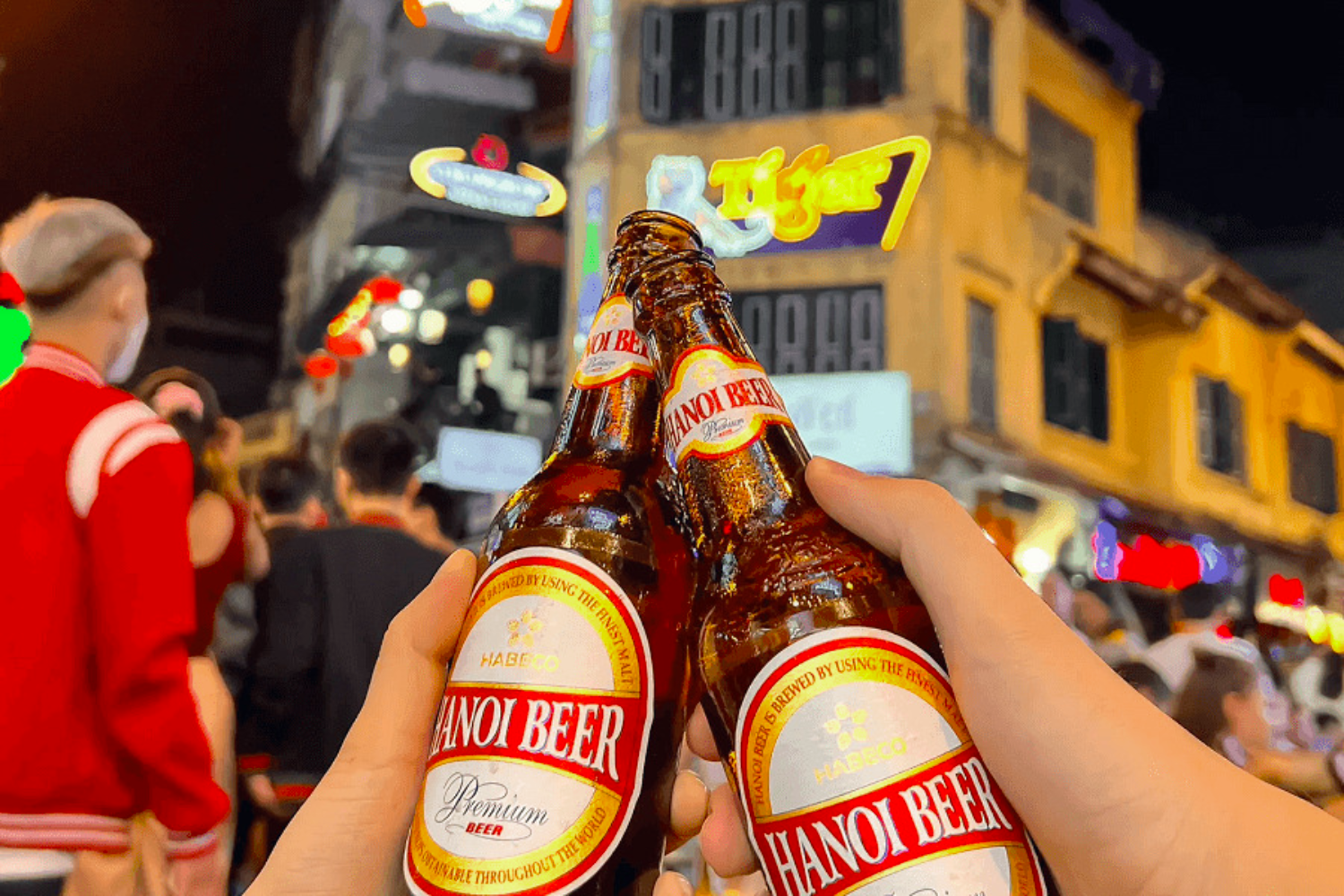
As evening arrives, return to the Old Quarter for a more informal food experience. A street food tour is a good option if you want to try several dishes and learn more about the stories behind them. Otherwise, choose a restaurant and spend the evening exploring the neighbourhood on foot.
Day 3 – Slow Hanoi Beyond the Main Attractions
The final day is intentionally less structured. After two days of sightseeing, there is no need to fill every remaining hour with another list of landmarks. One option is to head towards West Lake, a quieter part of Hanoi with a more relaxed atmosphere. Visit Tran Quoc Pagoda, then spend some time walking along the lake or stopping at a local café. The area is particularly pleasant in the morning.
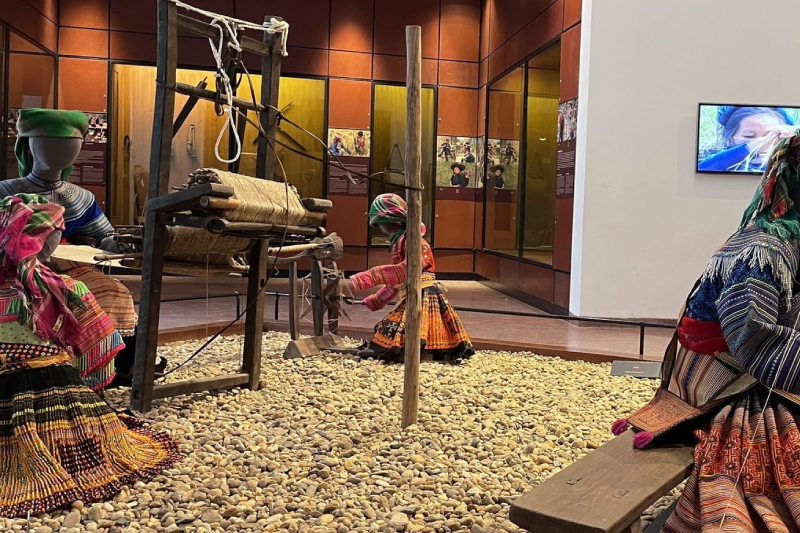
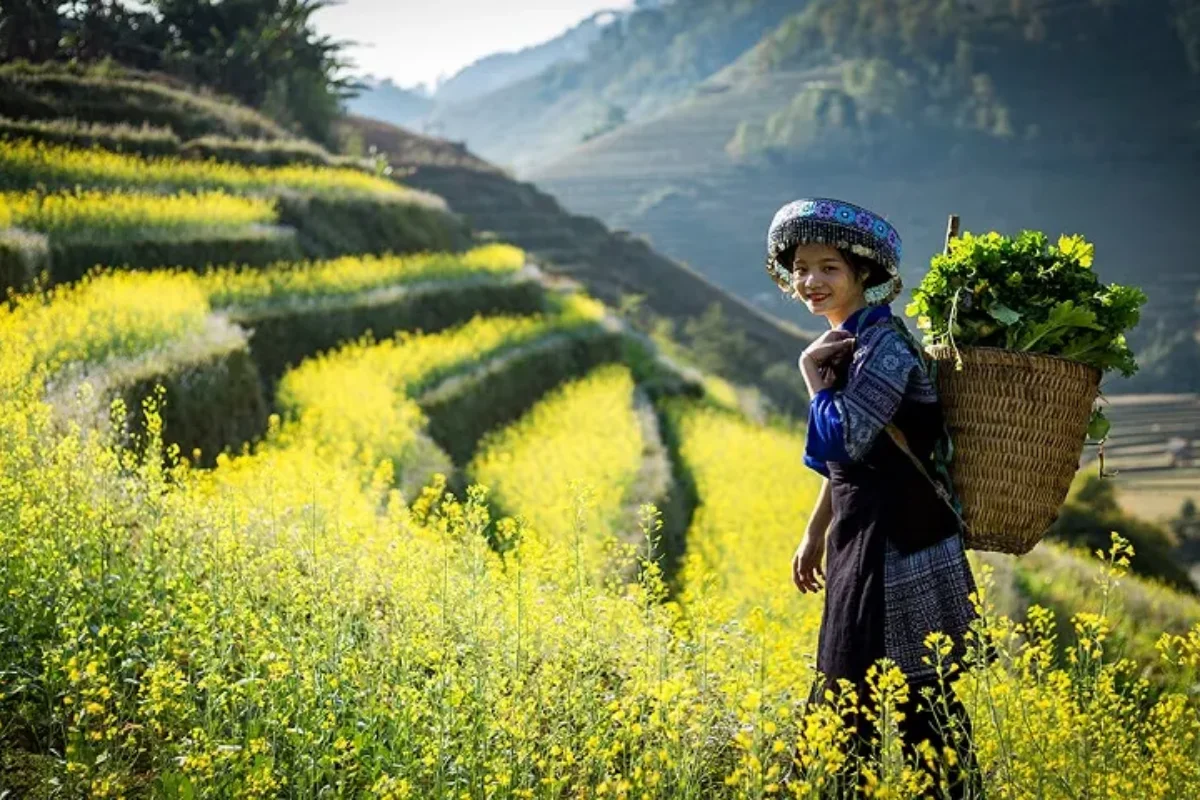
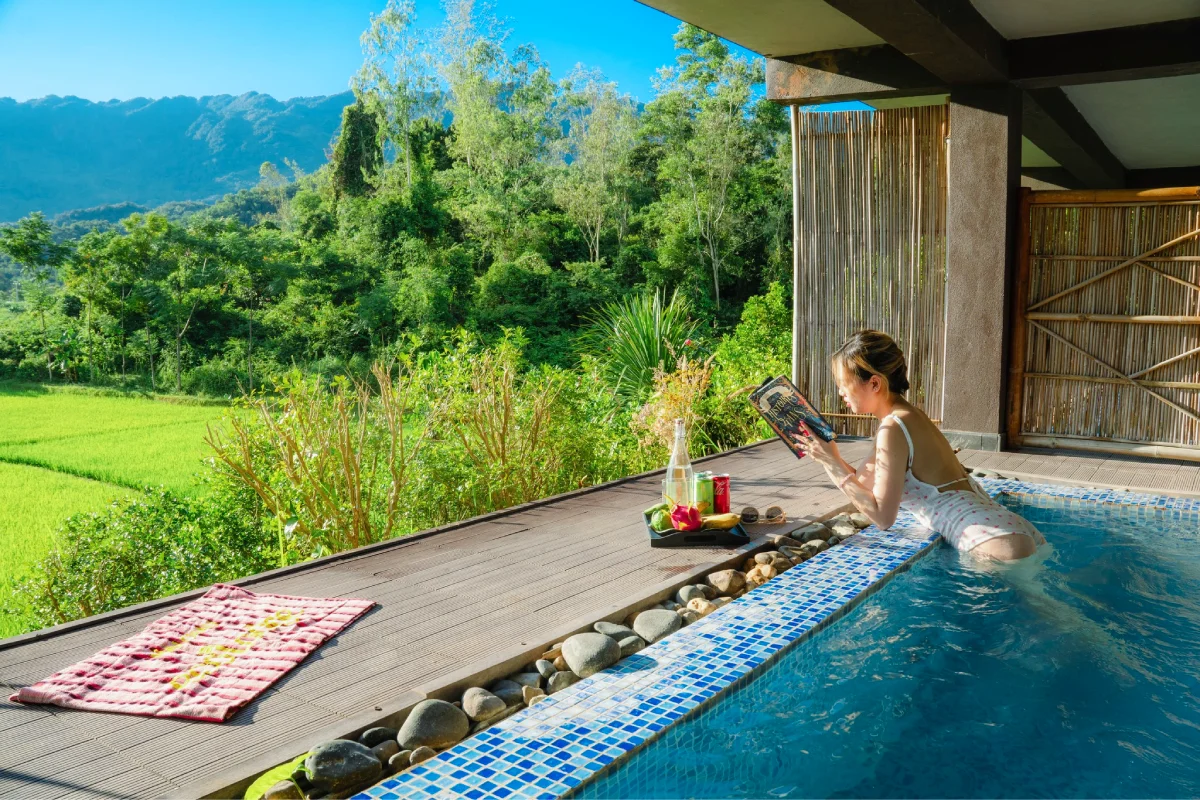
If you are interested in Vietnamese culture and communities, the Vietnam Museum of Ethnology can replace part of the morning. Its exhibitions introduce the country's diverse ethnic groups through architecture, clothing, objects, and everyday traditions. The rest of the day can be shaped around your own interests. Return to the Old Quarter for shopping, revisit a favourite café, explore a street you missed earlier, or simply enjoy a long lunch. Travelers who prefer a more relaxing afternoon can also leave the sightseeing behind and spend time at the hotel, a spa, or a quiet café.
This flexibility is what makes the third day different. You have already seen the major landmarks, so there is less pressure to keep moving.
Where to eat during three days in Hanoi
Food should be part of the Hanoi itinerary rather than a separate activity squeezed into one evening. Start with breakfast at a local eatery and try dishes such as pho or bun.
For lunch and dinner, look beyond the most famous restaurants. Small family-run places and street-side restaurants often offer a more casual introduction to local food. Bun cha, banh cuon, cha ca, and Hanoi-style noodle dishes are worth adding to your list. Coffee is another part of the city's daily rhythm. Traditional Vietnamese drip coffee, iced coffee with condensed milk, and egg coffee can all be found around the central districts. Taking a break at a café is also one of the easiest ways to slow down a busy sightseeing day.
Tips for exploring Hanoi at your own paceThe easiest way to avoid a rushed itinerary is to group attractions by location. The Ho Chi Minh Complex and Temple of Literature work well together, while Hoan Kiem Lake, the Old Quarter, and the French Quarter can be explored on foot or with short rides between them.Start outdoor sightseeing earlier in the day, particularly during warmer months. Leave some time between major activities rather than scheduling one attraction immediately after another.
Comfortable walking shoes are useful, especially around the Old Quarter. For longer distances, taxis and ride-hailing services are convenient, while walking remains one of the best ways to notice the smaller details of Hanoi.
Most importantly, do not treat the itinerary as a checklist. If you find a café you like, stay a little longer. If a street catches your attention, take the time to explore it. Hanoi has plenty to offer beyond its major attractions.
Three days in Hanoi should give you more than a collection of photographs from famous landmarks. Leave enough room to walk, eat, pause, and observe, and you will come away with a much better sense of the city's character.
Read this next