Sapa travel guide 2026: A Gguide to trekking and local experiences
Content []
1. Understanding Sapa before you go
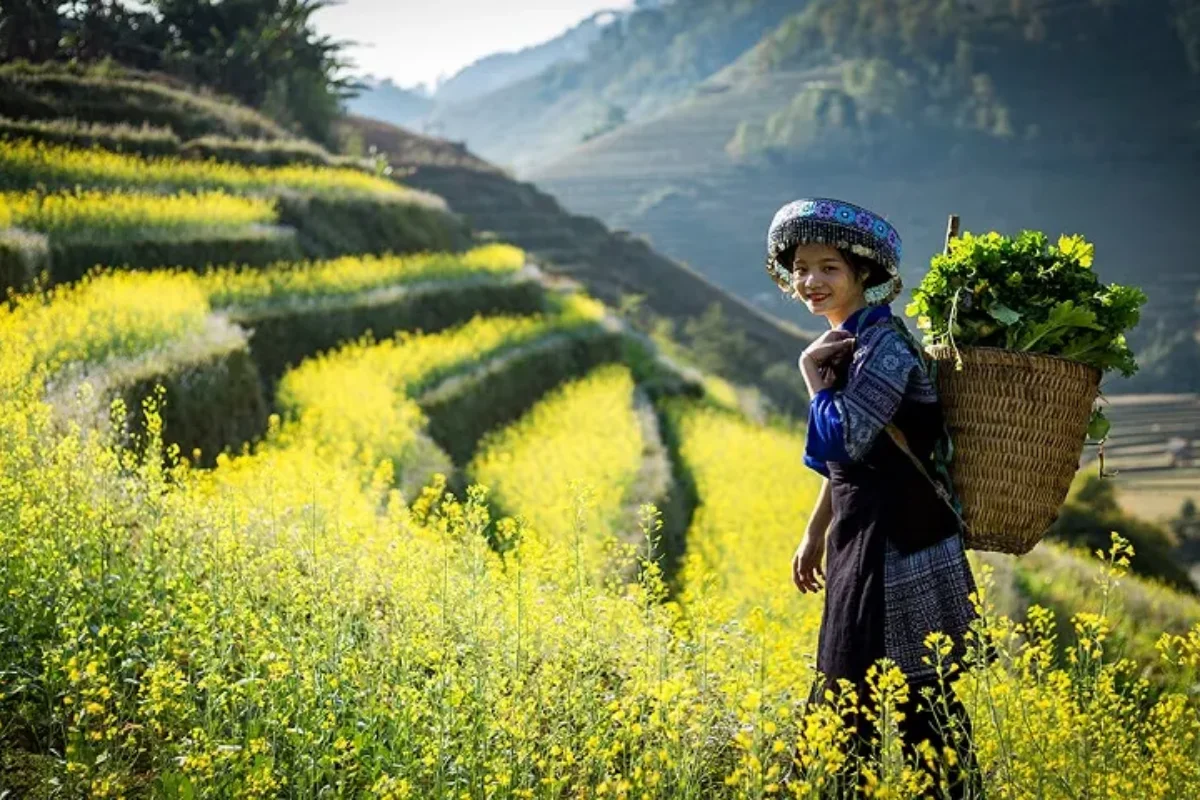
Sapa sits at more than 1,500 metres above sea level in the Hoang Lien Son mountain range of northern Vietnam. The town itself is surrounded by steep valleys, mountain slopes and rice terraces, with Fansipan at 3,143 metres rising above the region. Its appeal comes less from the town centre than from what lies beyond it: walking trails, farming communities, waterfalls and villages scattered through the surrounding valleys.
This distinction matters when planning a trip. Sapa town has hotels, restaurants, cafés and convenient transport, but it is not where you will see the landscape that makes the destination famous. The Muong Hoa Valley, Lao Chai, Ta Van areas offer a very different experience, with trails passing through rice fields and villages. Vietnam Tourism also recommends going beyond the town to experience local communities more directly.
Sapa is home to several ethnic communities, including the H'Mong, Dao, Tay, Giay and Xa Pho. Their presence is visible in local architecture, clothing, handicrafts, farming practices, food and village life. However, cultural experiences are best approached as an opportunity to learn rather than simply as a sightseeing stop. Choosing locally based guides, family-run homestays and community-oriented activities can make your visit more meaningful while directing tourism income towards residents.
How many days should you spend in Sapa?
2 days / 1 night can work if you are combining Sapa with a wider Northern Vietnam itinerary, but the schedule will be fairly compact.
3 days / 2 nights is a better balance for most visitors. It gives you time for a proper trek, a village stay or local experience, and some time in Sapa itself.
With 4 days or more, you can slow down further, choose a longer trekking route, spend additional time in a village, or combine trekking with Fansipan without having to fit everything into consecutive busy days.
2. Trekking in Sapa
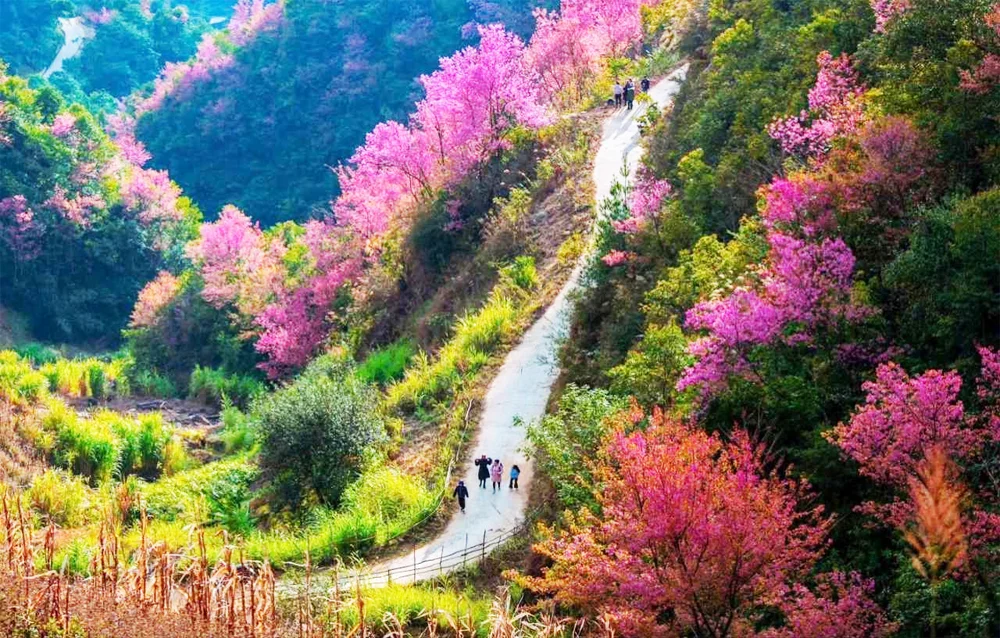
Trekking is one of the main reasons to visit Sapa, but not every trek needs to be a demanding mountain expedition. The region has routes suitable for different levels of fitness, from relatively short village walks to full-day and multi-day hikes. What makes the experience interesting is the landscape along the way: rice terraces, streams, bamboo groves, farms and villages are part of the route rather than separate attractions.
Where should you trek?
The Muong Hoa Valley is the most accessible starting point for exploring the countryside around Sapa. Routes through Y Linh Ho, Lao Chai and Ta Van take you away from the town and into landscapes shaped by terraced farming and village life.
Lao Chai is associated particularly strongly with the Black H'Mong community, while Ta Van has a mix of ethnic communities and is a popular area for homestays. The route between the villages can be extended or shortened depending on your fitness, weather and interests.
Cat Cat Village is closer to Sapa and easier to visit, making it suitable when you have limited time. It is also more developed for tourism than some of the villages further into the valley, so travelers looking for a quieter trekking experience may prefer routes further from the town.
For more serious hikers, Sapa can also be a starting point for longer mountain routes in the Hoang Lien Son range. These require more preparation and should be planned with a knowledgeable local guide rather than treated as an extension of an ordinary village walk.
| Trekking style | Best for | Typical experience |
|---|---|---|
| Short village walk | First-time hikers | Villages, rice fields and viewpoints |
| Half-day trek | Moderate fitness | Valley landscapes and local communities |
| Full-day trek | Active travelers | Longer trails and more varied terrain |
| Multi-day trek | Experienced hikers | Remote villages, mountain trails and homestays |
The distance alone does not tell you how difficult a Sapa trek will be. Steep sections, muddy paths and uneven surfaces can make a relatively short route tiring, particularly after rain. A good local guide can adjust the pace and route according to conditions instead of following a rigid itinerary.This is also where choosing a locally based trekking guide has practical value. Local guides know the trails, seasonal conditions and villages, and can provide context about the communities you pass through. Vietnam Tourism specifically recommends working with locally owned and sustainable operators for trekking experiences.
What is trekking in Sapa actually like?
Expect a mixture of paved village roads, dirt paths, stone steps, narrow trails and agricultural tracks. During the wet season, some sections can become slippery or muddy. Weather can also change quickly in the mountains, so a sunny morning does not guarantee dry conditions throughout the day.
The scenery is not static. Depending on the season, the terraces may be filled with water, bright green crops or golden rice approaching harvest. Vietnam Tourism identifies September and October as particularly good months for the rice terraces, while another tourism guide notes that mid-August to early September can offer clear skies and terraces approaching harvest.
For travelers more interested in walking than ticking off viewpoints, this seasonal variation is part of the attraction. You may see farmers working the terraces, buffalo in the fields or villagers moving between homes and farmland. Those ordinary moments are often what give a trek its character.
3. Experiencing Sapa beyond trekking
A trek can introduce you to the landscape, but spending time in a village gives you a better understanding of the people who have shaped it.
Stay in a village homestay
A homestay in Ta Van, Lao Chai or another mountain village can change the pace of a Sapa trip. Instead of returning to town after a day's walk, you stay in the countryside and wake up closer to the rice terraces and surrounding mountains.
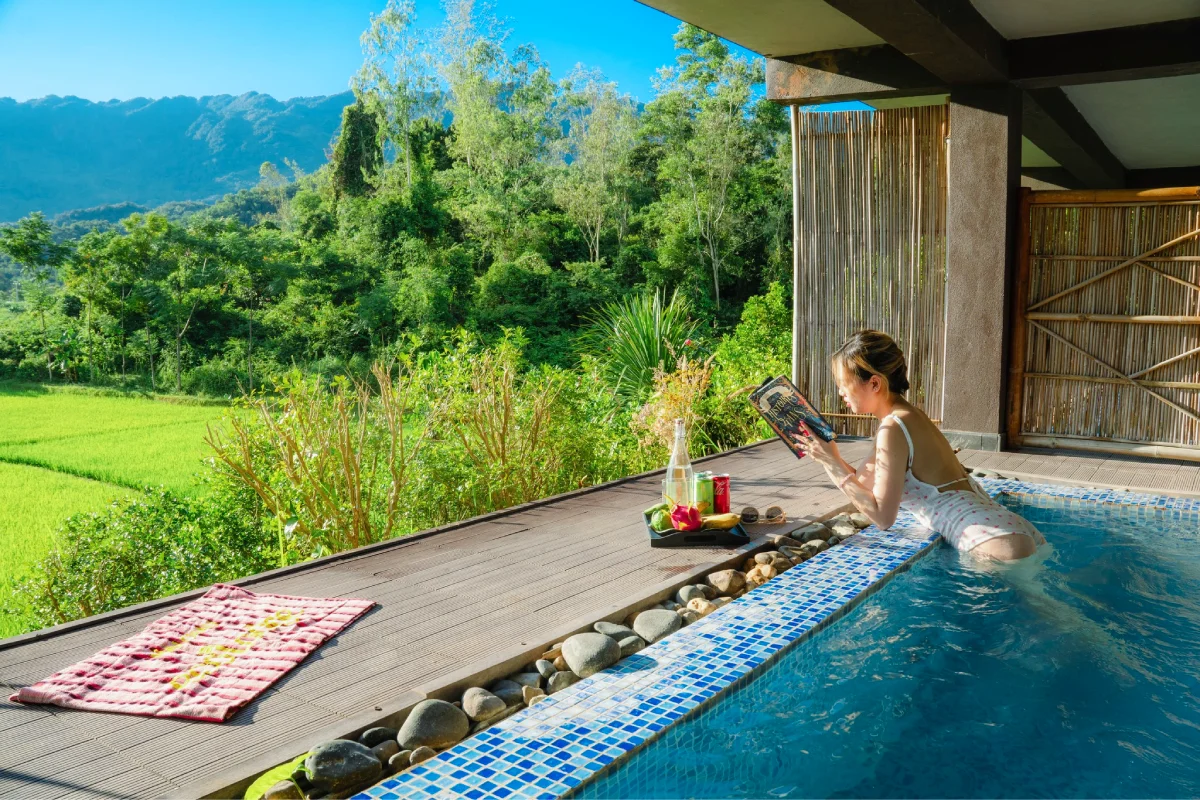
Homestays vary considerably. Some are simple family homes with shared meals and basic facilities, while others have been developed into comfortable guesthouses with private rooms and modern bathrooms. Check the accommodation standard before booking rather than assuming that every property offers the same experience.
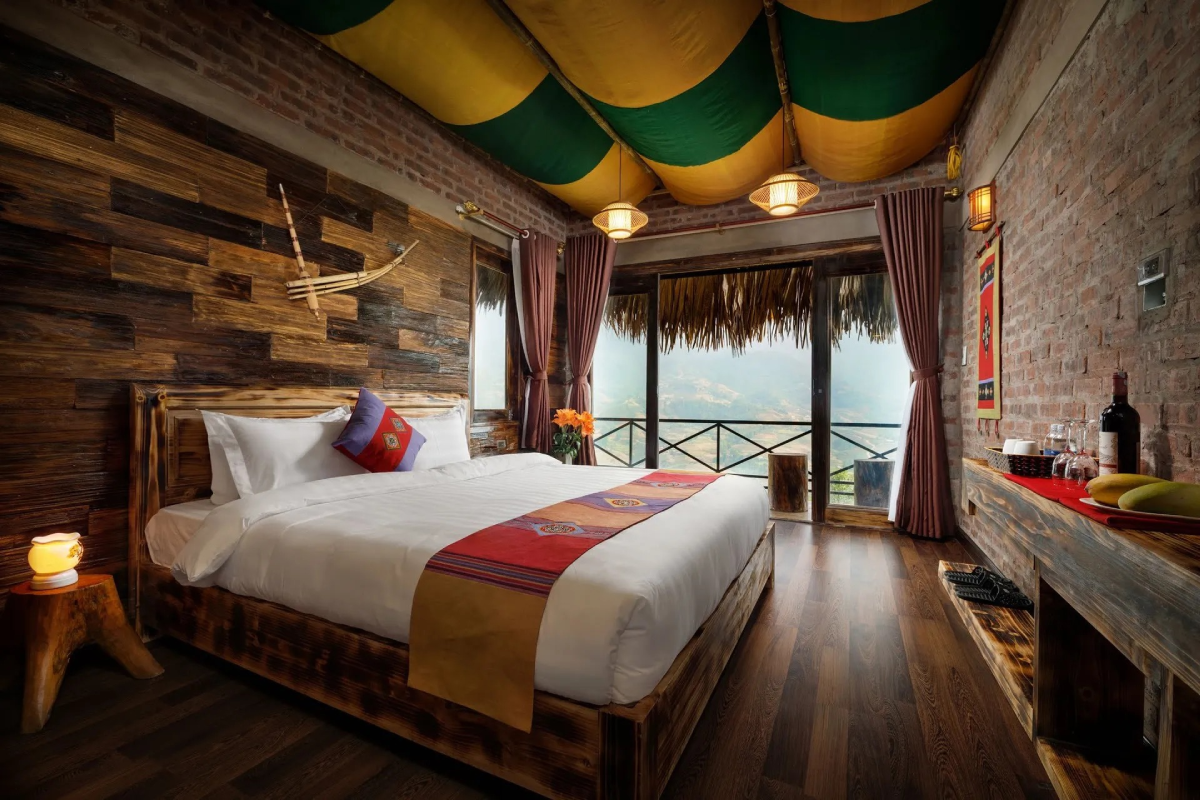
The value of a good homestay is not luxury. It is the opportunity to have dinner with local hosts, learn about ingredients and farming, and see how a household operates outside the tourist centre. Vietnam Tourism notes that staying with an ethnic family can provide additional income for farming households while giving visitors a more direct connection to local life.
Meet local communities through meaningful activities
There are several ways to learn about Sapa's ethnic cultures without turning the experience into a simple photo opportunity.Look for activities such as:
Embroidery, weaving or batik demonstrations
Traditional cooking
Visiting a family workshop
Walking through agricultural areas with a local guide
Learning about medicinal plants Participating in seasonal farming activities where appropriate
Markets can also be interesting, particularly if you are visiting at the right time. Smaller weekly markets offer opportunities to see local communities trading produce, clothing, food and household goods. Vietnam Tourism highlights Muong Hum as one option, while Bac Ha Market is a larger destination that requires a separate journey from Sapa.
Respect matters here. Ask before photographing people, particularly children, and avoid treating traditional clothing or private homes as props. Supporting locally owned guides, accommodation and workshops is a more responsible way to spend money in the region.
Try the food of the northern highlands
Sapa's food scene has expanded considerably, but travelers should still look beyond the restaurants concentrated around the town centre.Mountain ingredients feature prominently in local meals, including vegetables, herbs, pork and freshwater fish. Grilled dishes are popular in the cool evenings, while local markets and village meals offer opportunities to try ingredients that may not appear on standard tourist menus.
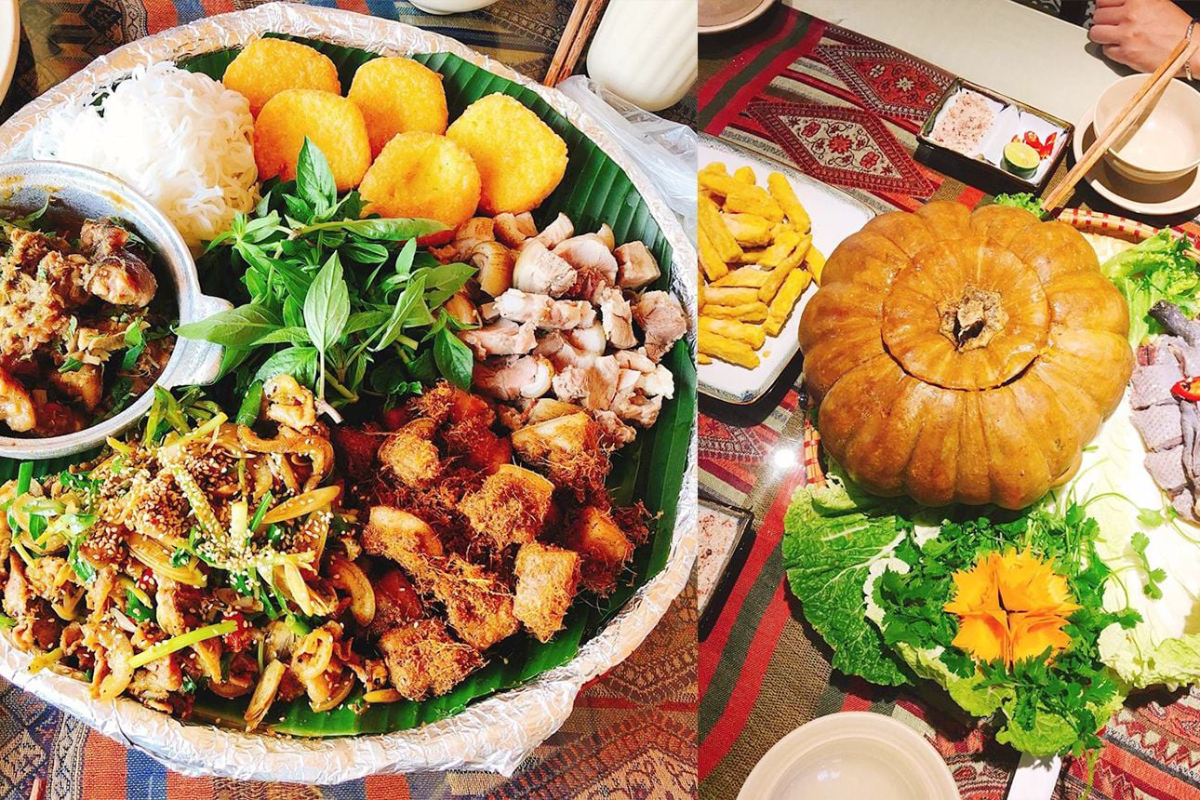
One detail worth remembering is that some foods strongly associated with Sapa, such as salmon and sturgeon, are relatively recent additions to the local food scene rather than traditional ethnic dishes. They can be worth trying, but they should not replace the opportunity to taste dishes prepared using local mountain ingredients and family recipes.
Fansipan and Sapa town
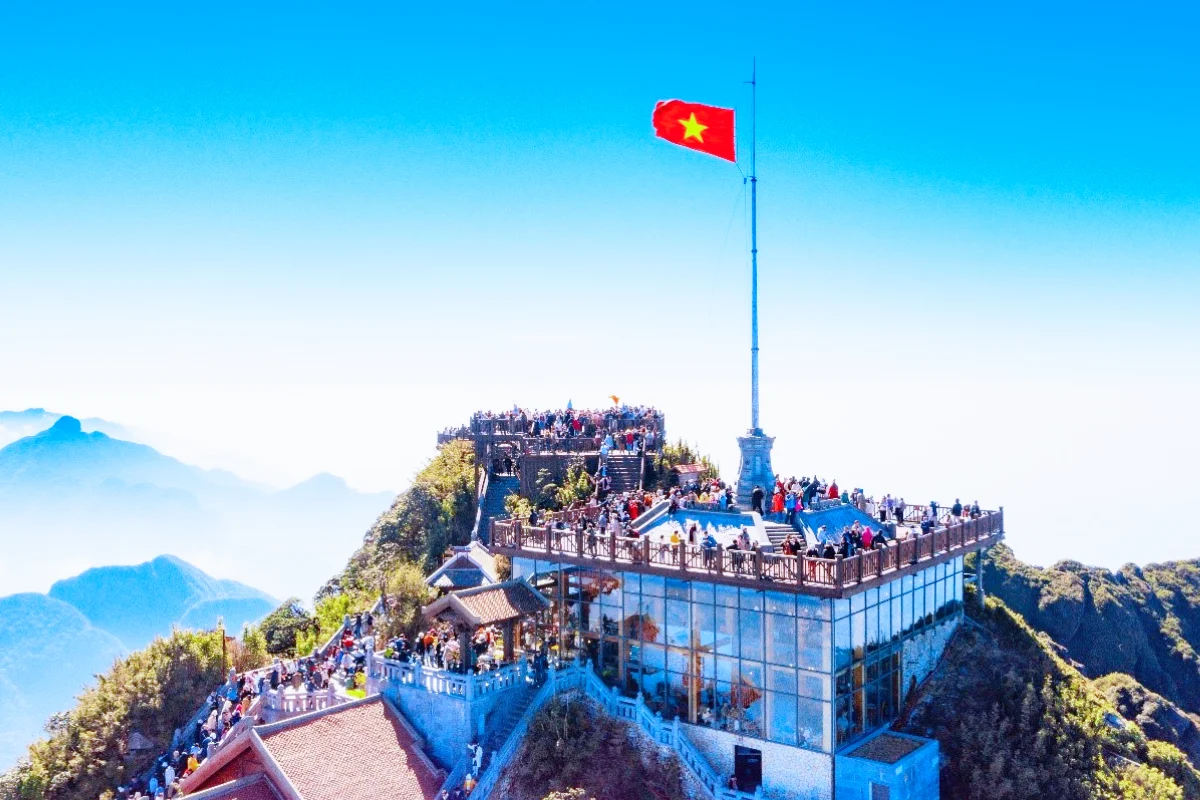
Fansipan is the obvious major attraction for travelers who want to experience the highest peak in Vietnam. At 3,143 metres, it can now be reached by cable car rather than requiring a multi-day ascent. The cable car journey itself takes around 15 minutes, making the summit accessible even to visitors who are not experienced hikers.
The Muong Hoa Mountain Railway connects Sapa town with the Fansipan cable-car station, adding another option for reaching the attraction.Fansipan and trekking serve different purposes, so there is value in doing both if time allows. The cable car provides access to a high-altitude mountain experience and panoramic views, while a village trek gives you time on the ground, among farms and communities.
Sapa town itself is worth some exploration, particularly around the stone church, local market, cafés and central streets. Just keep it in perspective: the town is the base for the Sapa experience, not the whole destination.
4. Planning your Sapa Trip
Best time to visit
Sapa changes substantially throughout the year, so the best time depends on what you want to see.April–May: generally comfortable conditions and the beginning of the rice-growing cycle. June–August: greener landscapes, but also hotter and wetter conditions. September–October: particularly attractive for rice terraces and harvest scenery. November–March: cooler conditions, with mist and low cloud possible; higher elevations can be very cold.
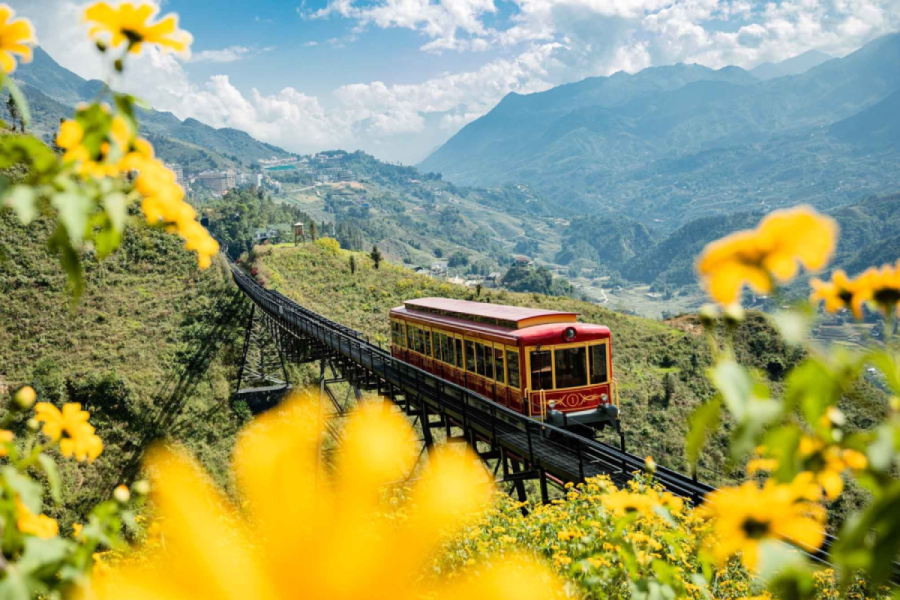
For trekking, dry and relatively clear conditions are preferable. For photography, the rice-growing and harvest periods can be more important than having perfectly clear weather every day.
How to get to Sapa
Most travelers start in Hanoi. The road journey by shuttle or bus generally takes around five to six hours, depending on traffic and stops. Another option is an overnight train from Hanoi to Lao Cai, followed by a road transfer up to Sapa.
A private transfer is useful for families, groups or travelers combining Sapa with other Northern Vietnam destinations. It also gives you greater flexibility over departure times and stops.
For a multi-destination itinerary, consider the whole route before booking transportation. Sapa can connect naturally with Hanoi, Ha Giang, Bac Ha or other northern destinations, but the mountain geography means that distances on a map can be misleading.
Where to stay
Your accommodation choice should reflect how you want to experience Sapa.
Sapa town is the most convenient option for restaurants, cafés, transport and hotels. It works well for short stays or travelers who want comfortable facilities.
Lao Chai and Ta Van are better suited to travelers who want to combine trekking with village life and a homestay experience.
More remote accommodation works for travelers who specifically want to disconnect and spend more time in the mountains, although access and facilities may be more limited.
What to pack
Sapa does not require specialist trekking equipment for most standard routes, but the right basics make a significant difference:
Comfortable hiking shoes with good grip
Lightweight layers
Waterproof jacket
Small backpack
Sunscreen and hat
Insect repellent
Reusable water bottle
Waterproof bag for electronics
Warmer layers during the cooler months
Avoid packing only for the temperature in Hanoi. Sapa's elevation means conditions can be considerably cooler, especially early in the morning and at higher altitudes.
A simple Sapa itinerary
2 Days / 1 Night
Day 1: Arrive in Sapa, explore the town briefly, then trek through the Muong Hoa Valley towards a nearby village and stay overnight.
Day 2: Continue with a short local experience or village walk before returning to Sapa and departing.
3 Days / 2 Nights
Day 1: Arrive and settle into Sapa, with time for the town or a light local activity.
Day 2: Full-day trek through the Muong Hoa Valley, Lao Chai and Ta Van, with an overnight village stay if appropriate.
Day 3: Return to Sapa and visit Fansipan, or spend the morning on a shorter cultural experience before departure.
The three-day option gives you more room to separate the physically demanding part of the trip from the sightseeing. It also means a delayed transfer, poor weather or a longer-than-expected trek is less likely to disrupt everything that follows.
Sapa is at its best when the itinerary leaves room for the landscape to set the pace. Trek through the valleys, stay close to the communities that have cultivated them, and allow enough time to experience the mountains without turning every trail, village and viewpoint into another item to check off.
Read this next