Ninh Binh one day tour is a must-do for any trip to Vietnam. Whether it’s your first time visiting Vietnam or your second time, here’s everything you need to know to spend a day in Ninh Binh on the beaten path but also off the beaten path.

How to get to Ninh Binh?

Halong Bay on land is located in Ninh Binh province. It is possible to get to this province by bus, limousine bus, private car or taxi from Hanoi. It only takes 2h30 to get to the small village of Tam Coc.

Many tour operators offer this excursion from Hanoi, so it is very easy to join a Ninh Binh one day group tour. We recommend a Ninh Binh one day tour with a private guide because Ninh Binh is a very touristic destination. A guide can take you to less touristy corners and you can visit the must-see destinations when the crowds are less.

The price of the bus between Hanoi and Ninh Binh varies depending on the company and the type of bus. In general:

– Standard bus: Prices start around 200,000 VND (around 8 USD).
– VIP bus or limousine: These options are more comfortable and cost around 400,000 VND (around 15 USD).

The journey takes about 2 to 2.5 hours. Expect to pay around 40 USD for a transfer from Hanoi to Ninh Binh by private car. You can book online, at the bus station, or through our travel agency: Jacky Vietnam Travel.

If you have visited Halong Bay just before, it is quite possible to take a bus from Halong Port to Ninh Binh. Ninh Binh is about a 4-hour drive from Halong Port. Buses leave every hour. Do not hesitate to contact us for more information.

A day in Ninh Binh: What to see?

Hoa Lu the ancient capital

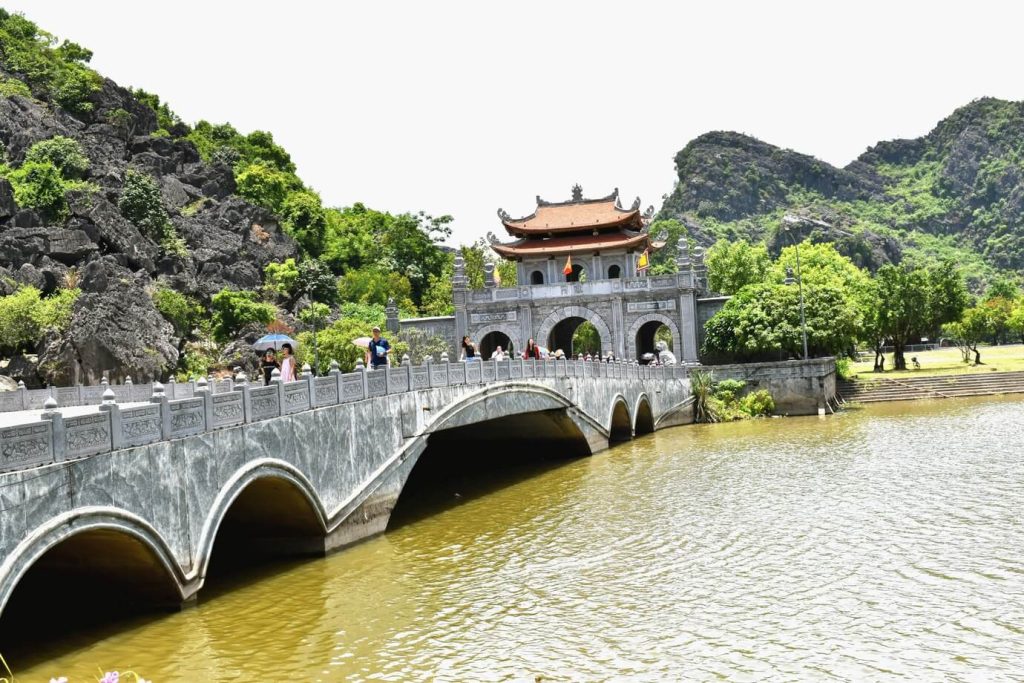
For this Ninh Binh one day tour, Hoa Lu is a journey into the past at the heart of Vietnamese history! Nestled in the splendid province of Ninh Binh, this ancient capital was the seat of two of the country’s first dynasties, the Dinh and Le dynasties, between 968 and 1010. Imagine centuries-old temples surrounded by karst mountains, rice fields as far as the eye can see, and an atmosphere full of mystery…

As soon as you arrive, let yourself be carried away by the majesty of these temples dedicated to the two famous emperors Dinh Tien Hoang and Le Dai Hanh. Carved wooden decorations, imposing statues and a spiritual atmosphere… you can feel the grandeur and wisdom of the ancient leaders. You can almost hear the whisper of legends between the walls.

Explore what remains of the ramparts and gates of the ancient capital, scattered in the heart of nature. These remains tell the story of a Vietnam that, more than 1,000 years ago, was fighting for its independence. Hoa Lu, surrounded by mountains like a natural fortress, was a strategic location, and it is not difficult to understand why the emperors chose it as their capital.

In 968, Dinh Bo Linh, who would become Emperor Dinh Tien Hoang, unified the country and made Hoa Lu the first capital of independent Vietnam. Later, his successor, Le Dai Hanh, also reigned there before the capital was transferred to Thang Long (present-day Hanoi). Hoa Lu is therefore the cradle of Vietnamese identity!

Ninh Binh one day tour Hoa Lu

The Dragon Mountain

Dragon Mountain, or *Hang Múa* in Vietnamese, is one of those places where you think: “it was worth every minute of the climb!” Located just outside Tam Coc, this spectacular mountain rewards you after a bit of effort with an absolutely breathtaking view of the lush rice fields and karst peaks of Ninh Binh. Imagine yourself at the top, with a majestic dragon statue looming over you, and a panorama that stretches as far as the eye can see… A must-see in the region!

Be prepared for a climb of about 500 steps, carved into the stone, that wind up to the top. It is a steep climb, but the path is well maintained and lined with dragon sculptures, reminding you of the legend that inhabits these places. Each step brings you closer to the unforgettable view that awaits you at the top. Don’t forget your water bottle and comfortable shoes!

Once you reach the top, the most striking feature is the carved stone dragon. This powerful symbol seems to float above the mountains, like the guardian of the valley. The statue stands in a sinuous manner, adding a mystical touch to this already impressive setting.

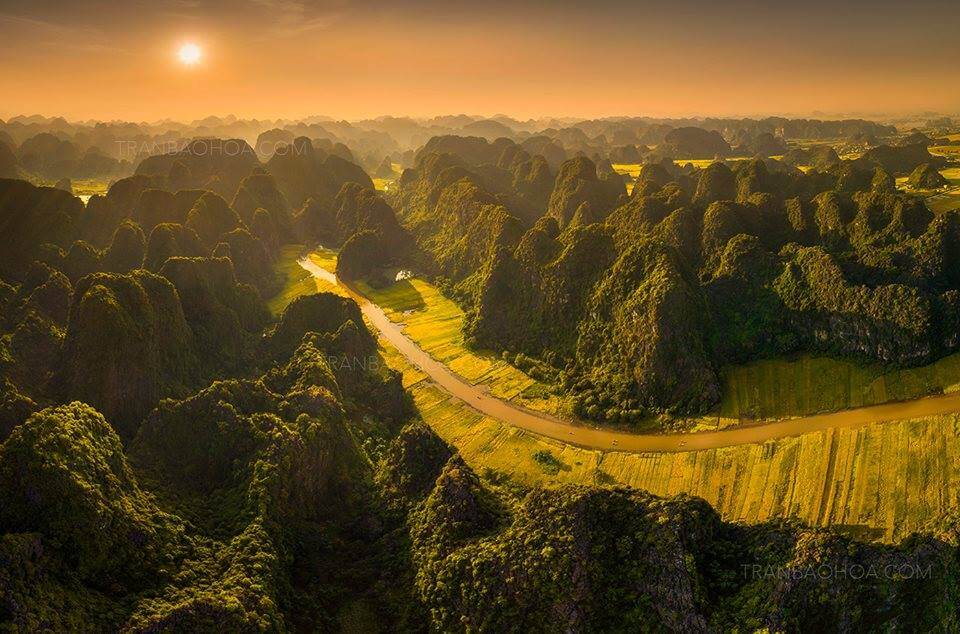
Once you reach the top, open your eyes wide: you are facing one of the most beautiful views in Vietnam. Below, the rice fields unfold in a patchwork of green and gold, and the river meanders between the cliffs, with the small boats of Tam Coc gliding on the water. It is the ideal place for unforgettable photos and moments of contemplation.

Hang Múa is just a stone’s throw from Tam Coc, so after your climb, why not extend the adventure with a boat trip on the Ngo Dong River? Or, go and discover the temples and pagodas hidden around the karst mountains.

The Hang Múa dragon has a story: according to legend, this dragon was the protector of the region and took refuge at the top of the mountain to watch over the valley. Its statue represents this protective force, and it is also for this reason that the locals venerate this place as sacred.

The mountain is about 5km from Tam Coc, and it is easy to get there by bike, motorbike, or taxi from Ninh Binh. To park your bike, many people will wait for you at the entrance to watch your bike for a small fee. Expect to pay between 5,000 and 10,000VND to keep your bike safe. Ask for the price before parking your motorbike or bike to avoid any scams.

Ninh Binh one day tour Dragon mountain

Boat trip in Ninh Binh

A boat trip when you do a Ninh Binh one day tour is a must. It is sometimes difficult to choose the best site for a beautiful walk. Know that all the sites are very beautiful but each pier has its specificities.

Van Long Pier

Van Long is a real little corner of paradise for nature lovers! Often nicknamed the “waveless bay,” this nature reserve is a haven of peace and biodiversity, located not far from Ninh Binh. Imagine yourself silently gliding in a boat on calm waters like a mirror, surrounded by karst mountains and lush vegetation. Van Long is the perfect place to observe rare birds and, if you are lucky, see the famous Delacour’s langur, an endemic and endangered monkey.

Van Long is surrounded by local tales and legends. The name “Van Long” is said to come from the time when the mountains were inhabited by dragons, symbols of power and protection. These dragons are said to have left imprints in the cliffs, forming the steep reliefs that we see today.

When to go? The best time to visit Van Long is from November to April, when the climate is cooler and drier.
Access: Van Long is located about 20 km from Ninh Binh, and the journey is easy by car, motorbike or even by bicycle for the more adventurous.
Van Long is an unknown pearl, an intimate and magical experience, ideal for those looking for pure contact with nature and a moment of absolute serenity.

Tam Coc Pier

Tam Coc Pier is the starting point for one of the most emblematic experiences of Ninh Binh: a boat ride through the heart of karst landscapes and green rice fields. Located in Van Lam village, this pier allows you to explore the “Halong Bay on land”, with its majestic rock formations and mysterious caves. It is a peaceful adventure, punctuated by the paddles of the rowers and the reflections of nature in the water.

The boat trip lasts about 1h30 to 2 hours, during which you will pass through three caves: Hang Ca, Hang Hai and Hang Ba. These caves, naturally dug into the rock by the Ngo Dong River, offer narrow and mysterious passages, where you will sometimes pass so close to the water that you can touch the surface.

Best season: The ideal period is from April to June, during the season of green and golden rice fields.
How to get there? Tam Coc is easily accessible from Ninh Binh by motorbike, bicycle, or taxi.

Ninh Binh one day tour Tam Coc boat trip

Trang An Pier

Trang An Pier is the gateway to explore one of Vietnam’s most beautiful natural landscapes, a UNESCO World Heritage Site. Located a few kilometers from Ninh Binh, this pier takes you to a series of winding rivers, mystical caves, and karst mountains, all in a calm and captivating atmosphere. Unlike Tam Coc, Trang An’s route is longer and offers an incredible diversity of landscapes and historical sites.

From the pier, three routes are offered, each with different stops and unique landscapes. The walks last between 2 and 3 hours and take you through natural caves, ancient temples, and shrines hidden in the mountains. Among the caves, you will pass through the long Toi Cave, the luminous Sang Cave, and many others, all offering spectacular light shows.

Along the way, you will stop at historic temples and pagodas that blend into nature. Trinh Temple, for example, or Tran Pagoda, are spiritual stops where you can learn about the religious and cultural history of the region. These sacred places add a cultural dimension to the natural landscape of Trang An.

Recommended season: The dry season, from November to April, is perfect for pleasant walks under clear skies, but Trang An is beautiful all year round.
Access: Trang An is about 7 km from Ninh Binh and can be reached by motorbike, bicycle, or taxi.

Thung Nham Pier

Thung Nham Pier, located in Ninh Binh Bird Valley, is the ideal starting point for an adventure in the heart of nature, between forests, mysterious caves and colonies of rare birds. Thung Nham, sometimes called “Bird Valley”, is a magical place to observe wildlife, including thousands of birds that come to rest there in the late afternoon. This enchanting site, less frequented than Tam Coc and Trang An, offers a moment of calm and authenticity for those who want to immerse themselves in nature.

By boarding a boat at the pier, you will cross calm waters, bordered by lush vegetation and karst mountains. The walk will take you to But Cave, an impressive natural cave decorated with stalactites and stalagmites, which, according to legend, grants the wishes of those who pass through it. A peaceful passage where the beauty of nature is omnipresent

Thung Nham is famous for its large bird colony, which includes storks, herons, swifts and many other species. At the end of the day, hundreds of birds return to their nests, creating an impressive and unique spectacle. It is the ideal place for nature and photography enthusiasts, especially at dusk, when the sky is filled with moving wings.

Best time to visit: In the morning to enjoy the calm of the valley, or in the late afternoon to observe the birds as they return to rest.
Access: Thung Nham is about 12 km from Ninh Binh and can be reached by car, motorbike or bicycle for the more adventurous.

Pagodas in Ninh Binh

Bich Dong Pagoda

Bich Dong, often called “the most beautiful cave in Vietnam,” is a hidden gem in the heart of the Ninh Binh region. This complex of pagodas and natural caves, built into the mountainside, embodies all the serenity and spiritual beauty of traditional Vietnamese architecture, perfectly integrated into an exceptional karst landscape. Bich Dong means “jade cave,” and this place lives up to its name: between mountains, rice fields and ancient pagodas, the place seems to come straight out of a painting.

Upon arrival, you are greeted by a series of pagodas built in steps on the mountain: the Ha Pagoda (lower pagoda), the Trung Pagoda (middle pagoda) and the Thuong Pagoda (upper pagoda). Each of them seems more mystical than the last, offering unique views of the valley below. These pagodas are architectural marvels, made of wood and stone, and perfectly in harmony with nature.

Following the stone stairs, you will arrive at the Bich Dong cave itself. This natural cave is a sacred place, bathed in freshness and silence. Visitors discover Buddhist statues surrounded by stalactites and stalagmites, in an almost unreal atmosphere. The cave, dimly lit and mysterious, invites contemplation and meditation.

From the heights of Bich Dong, the view is absolutely spectacular. The karst mountains that surround the region, the green rice fields, and the Ngo Dong River that meanders through the landscapes create a breathtaking panorama. This enchanting setting is a perfect place for photographers, but also for anyone looking to immerse themselves in the natural beauty of Vietnam.

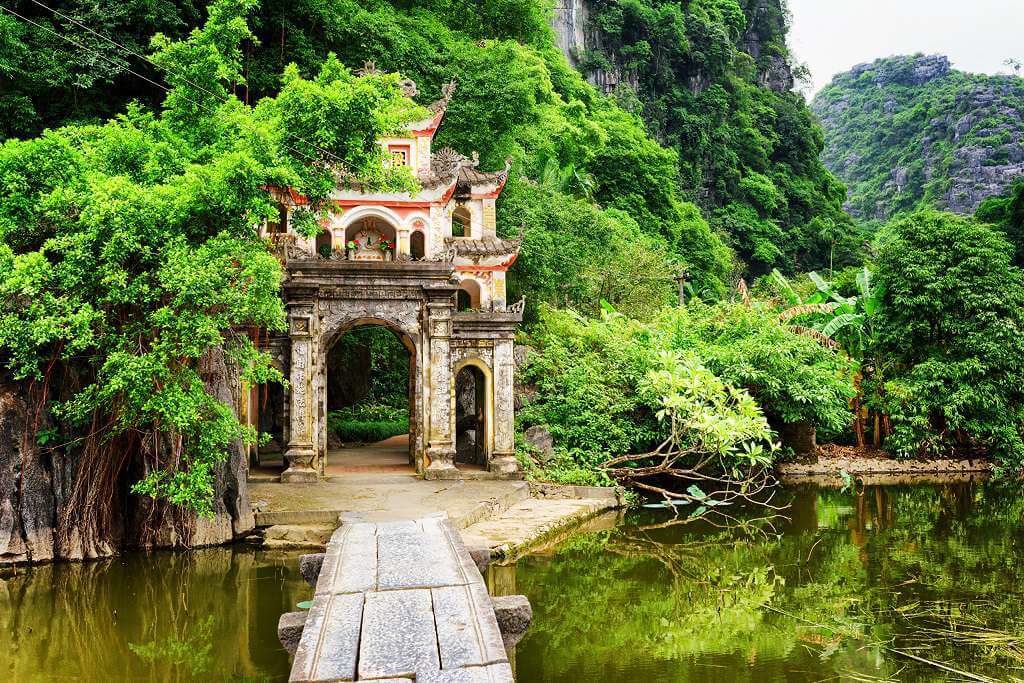
Just in front of the entrance to Bich Dong, a picturesque footbridge leads you to a small stone bridge, surrounded by water lilies and lotuses in summer. It is a place that breathes calm and poetry, perfect for a photo or simply to savor the moment.

Access: Bich Dong is about 2 km from Tam Coc and can be easily reached by bike, motorbike or taxi from Ninh Binh.
Dress code: As this is a religious site, it is preferable to wear respectful clothing (covered shoulders and legs).

Bai Dinh Pagoda

Bai Dinh Pagoda is a contemporary architectural feat and the largest Buddhist complex in Vietnam. Located a few kilometers from Ninh Binh, this modern pagoda, inaugurated in 2010, was designed to attract pilgrims from all over the world and to pay homage to Vietnamese Buddhist history. Despite its modernity, Bai Dinh is inspired by traditional Vietnamese architecture and fits perfectly into the karst hills and natural landscapes of the region, creating an atmosphere that is both grandiose and calming.

This 13-story stupa is one of the focal points of the complex. From its height of 100 meters, it offers an incredible panoramic view of the valley and the surrounding mountains. Each floor is decorated with statues and frescoes inspired by the life of the Buddha, and the ascent, although assisted by an elevator, remains a spiritual and contemplative moment.

One of the most impressive features of the complex is the giant bronze Buddha statue, which stands 10 metres tall and weighs over 100 tonnes. It is housed in a huge prayer hall and depicts a peaceful Buddha in meditation. It is one of the largest bronze Buddha statues in Southeast Asia, and inspires a sense of calm and wonder.

Lining the pathways of the complex are 500 Arhat statues, each about 2 metres tall, representing the Buddha’s disciples. Each of these statues is unique, carved in a style that captures distinct expressions and postures, reflecting the various faces of wisdom and meditation.

The pagoda also houses a huge bronze bell, weighing 36 tonnes and measuring about 5 metres tall. Located in the bell tower, it is an important symbol of the call to contemplation and meditation for pilgrims and visitors.

At the heart of Bai Dinh is a sanctuary where dozens of statues of Buddhas and Bodhisattvas are lined up in rooms decorated with gilding and incense burners. The design of this space is intended to convey peace and encourage meditation.

Best time to go: Visit early in the morning or late in the afternoon to avoid the crowds and enjoy the serenity of the place.
Access: Located about 15 km from Ninh Binh, Bai Dinh is easily accessible by car, motorbike, or taxi.

Where to sleep in Ninh Binh?

If you look on the map, you will surely find the city of Ninh Binh. However, you should definitely not sleep in this city, it would be missing out on the beauty of the terrestrial Halong Bay. After spending a day in Ninh Binh, the ideal is to sleep in Tam Coc.

Even if most people only spend a day in Ninh Binh, we recommend spending at least one night in Tam Coc before hitting the road again.

You will find many hotels and bungalows in this corner of nature, here are the two hotels/bungalows that we have selected:

Tam Coc Wonderland

Clean bungalow with swimming pool, the quality of service is there. In a family atmosphere, the owners listen to their guests.

Tam Coc Horizon Bungalow

A beautiful location in the middle of the rice fields and a restaurant located in a cave, it is a real experience. The owners are very friendly and the service is impeccable. There is also a swimming pool to relax in the middle of the rice fields.

Join us for an unforgettable Ninh Binh one day tour, where you’ll explore breathtaking landscapes and rich cultural heritage. Discover the stunning caves of Tam Coc or Trang An on a traditional boat ride, visit the ancient capital of Hoa Lu, and marvel at the impressive Bai Dinh Pagoda. With expert local guides and personalized service, Jacky Vietnam Travel ensures you have a memorable and seamless experience. Don’t miss out on this incredible opportunity to immerse yourself in the beauty of Vietnam! Book your Ninh Binh one day tour today!

Are you in Vietnam or planning a trip but have only one day to explore Hanoi? Here’s the ideal Hanoi one day itinerary to help you make the most of it.

Whether on foot or by taxi, it’s very doable to visit most of Hanoi’s top sites in one day. Even with over 8 million residents, the city has a compact historical center. Ideally, plan for three days to see the center, museums, and craft villages around Hanoi.

Exploring Hanoi’s Old Quarter: A Must on Your One-Day Itinerary

This Hanoi one day itinerary starts with a walking tour of Hanoi’s Old Quarter. Consider staying at a hotel here, as the locals call it the Hoan Kiem District. This bustling area is packed with small businesses, street food vendors, and historic sites. Each street historically had its own specialty (like shoes or bamboo goods), adding to the Old Quarter’s charm.

hanoi train street one day itinerary

From your hotel, map out a route through the Old Quarter, passing Saint Joseph’s Cathedral, Hoan Kiem Lake, Hanoi Opera House, the historic Metropole Hotel, and Dong Xuan Market. Don’t miss a stop at the famous Train Street, just west of the Old Quarter.

Tran Quoc Pagoda

This ancient pagoda, accessible on foot from the Old Quarter, is one of Hanoi’s most iconic religious sites, set on a small island in West Lake. Alternatively, a taxi or Grab ride (via app) can bring you there quickly. The pagoda’s tall stupa, historical significance, and tranquil setting offer a peaceful contrast to Hanoi’s vibrant streets.

hanoi on day itinerary pagoda tran quoc

Hoa Lo Prison

Located just 1 km from the Old Quarter, Hoa Lo Prison is an essential stop for history enthusiasts. Built by the French colonialists in 1896, the prison was originally used to incarcerate Vietnamese nationalists. During the Vietnam War, it became a holding center for American prisoners of war, who ironically dubbed it the “Hanoi Hilton.” The museum today highlights the harsh conditions under French rule and provides a Vietnamese perspective on the prison’s history. Hoa Lo Prison is open daily from 8:00 a.m. to 5:00 p.m., with a midday closure from 11:30 a.m. to 1:30 p.m.

hoa lu prison hanoi one day itinerary

Vietnam Women’s Museum

If time permits in the afternoon, the Vietnam Women’s Museum provides fascinating insights into the lives of Vietnamese women from various ethnic groups. Located in the city center, it showcases over 25,000 artifacts across three main themes: family life, historical contributions, and traditional clothing. The museum is open every day from 8:00 a.m. to 5:00 p.m.

Ho Chi Minh Mausoleum Evening Ceremony

To end your Hanoi one day itinerary, consider an evening visit to the Ho Chi Minh Mausoleum for the nightly flag-lowering ceremony at 9:00 p.m. For those interested in seeing the interior, morning visits allow access to Ho Chi Minh’s embalmed body, as well as the Presidential Gardens and the One Pillar Pagoda.


Hanoi one day itinerary

If you’re planning a visit to Hanoi and want to make the most of your time, consider choosing Jacky Vietnam Travel for an unforgettable one-day tour. Our expert guides will help you explore the city’s highlights, including the bustling Old Quarter, iconic Tran Quoc Pagoda, and the poignant Hoa Lo Prison.

With Jacky Vietnam Travel, you’ll experience local flavors through street food, visit significant historical sites, and gain insights into the rich culture of Vietnam. Our tailored itineraries ensure that you not only see the must-visit attractions but also enjoy a unique and immersive experience in the heart of Hanoi.

For more information about our one-day tours and to book your adventure, visit Jacky Vietnam Travel. Let us help you discover the best of Hanoi!

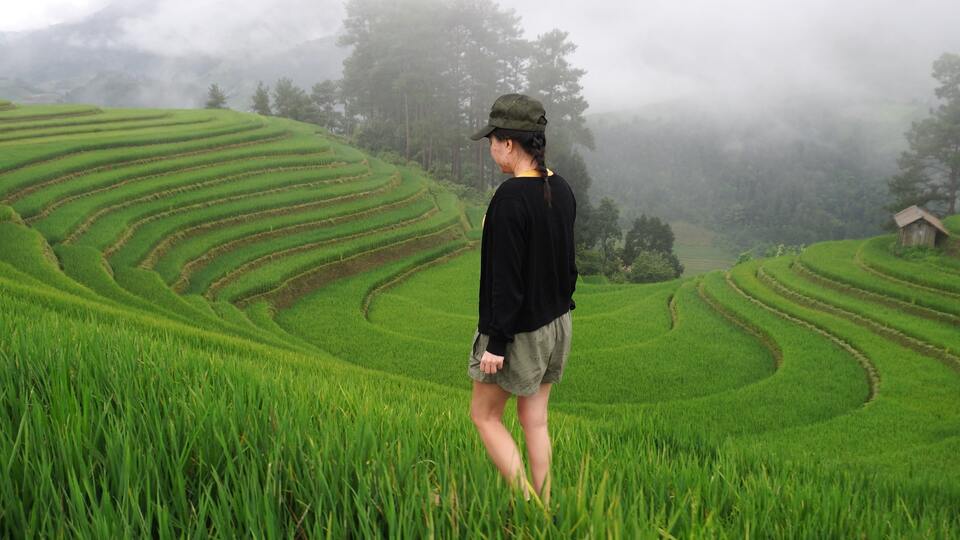
Mu Cang Chai is a small town located in the northwest of Vietnam. It is a destination that remains off the beaten track and yet, while doing your research on Vietnam, you have surely already seen photos of the rice terraces of Mu Cang Chai. Indeed, most tourists visit all of Vietnam and dream of seeing the most beautiful rice terraces but they never pass by Mu Cang Chai.

How to go to Mu Cang Chai ?

As with many destinations, most people will leave Hanoi before going to the northern mountains. Mu Cang Chai is about 300km from Hanoi but it is much more difficult to get to Mu Cang Chai than to Sapa. Indeed, if you want to go to Sapa, you can take the train or, many bus lines and limousine buses serve this very touristic destination. To go to Mu Cang Chai, it is another story because there are only a few local buses that serve Yen Bai and then you will have to take another bus to reach Mu Cang Chai. These buses are very slow and uncomfortable which turns the journey into a real adventure.

Visit Mu Cang Chai

We recommend going to Mu Cang Chai by private vehicle with driver. Indeed, it is almost impossible to rent a car by yourself in Vietnam and it is even more difficult to drive in Vietnam without having an accident. It is therefore essential to rent a car with an experienced driver for more comfort and safety. Allow about 8 hours of driving from Hanoi to reach Mu Cang Chai.

Since the road is very long, it is recommended to stop for one night in Nghia Lo which is a small town off the beaten track. Here, you can walk in the middle of the rice fields and visit some villages where many ethnic minorities live.

Also, after visiting Sapa, it is also possible to reach Mu Cang Chai. Indeed, the distance between Sapa and Mu Cang Chai is only 160 km and it will only take you 4 hours in the mountains to reach your final destination.

What to see in Mu Cang Chai?

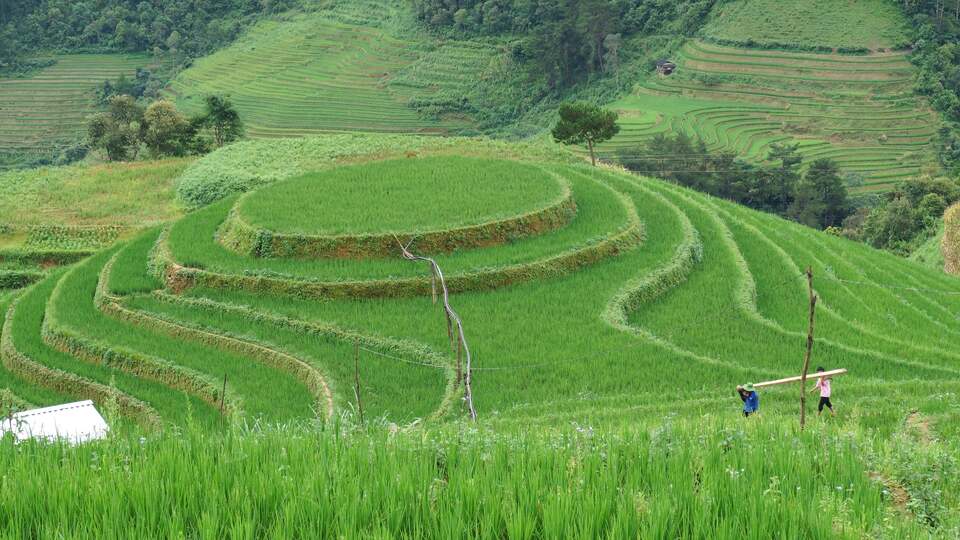
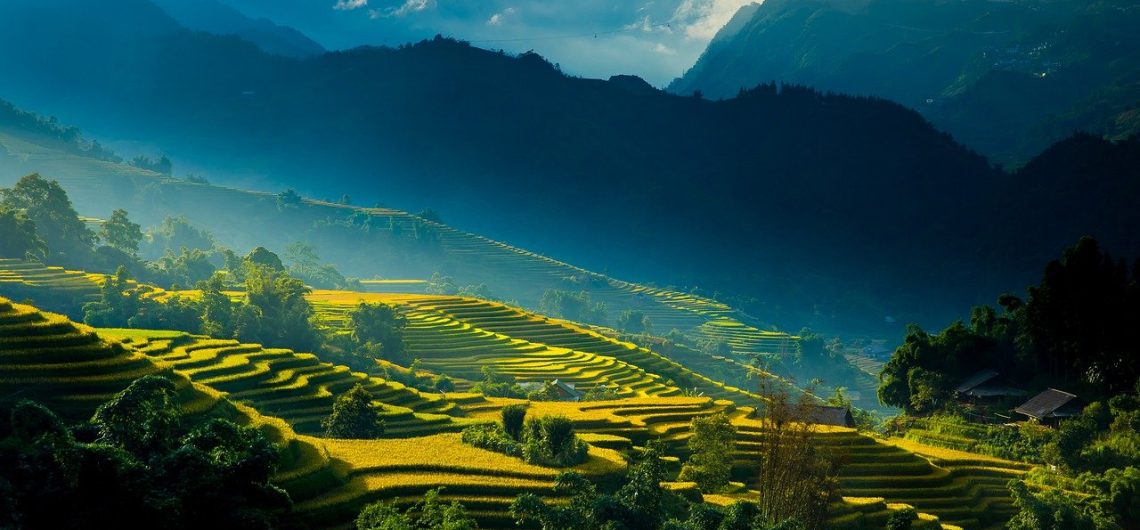
Mu Cang Chai is a small town with about 60,000 inhabitants. The main road follows the river through the mountain. In this valley, there are already many rice terraces, each as beautiful as the next. It should be noted that there is only one rice harvest per year and the rice is planted in late May – early June for a harvest in September – October.

Visit Mu Cang Chai 1

Many ethnic minorities populate the mountains around Mu Cang Chai and you can meet them on the roadsides in traditional costume or at the local market. It is a real spectacle of colors. Their kindness will mark your mind in this remote region where people still meet few foreigners.

The sticky rice plateau of Mu Cang Chai

About 12km from the city center, you will find the Mam Xoi which means sticky rice plateau. It is clearly the most famous photo spot in Vietnam. It can only be accessed by motorbike because the road is quite narrow. You also need a manual motorbike because it is very steep. Once at the top, you can admire this magnificent rice plateau and stroll through the rice terraces.

Visit Mu Cang Chai sticky rice plate

To get to Mam Xoi, do not hesitate to ask for the services of a motorbike taxi. Homestays and hotels can book this service for you. These experienced drivers will take you to the top of the mountain safely. Then, they will take you back to your hotel.

The horseshoe of Mu Cang Chai

Here is an emblematic panoramic viewpoint of Mu Cang Chai: the horseshoe. A few kilometers from the city center, we find this famous horseshoe. The rice terraces arranged in an arc give this particular shape. It is a very photogenic place.

Visit Mu Cang Chai horse shoe

The road is quite difficult to reach this viewpoint. It is not possible to access it by car, you have to take a motorbike taxi once again. The road climbs a lot and is sometimes in bad condition.

Where to sleep in Mu Cang Chai?

Homestays

You will find many homestays throughout the Mu Cang Chai region. Most are run by ethnic minorities. The change of scenery will therefore be there. The comfort is quite basic among the inhabitants but that is part of the adventure.

On the banks of the river, there is a comfortable homestay run by a Frenchman. Indeed, Bertrand and his Vietnamese wife run this very nice little homestay with a magnificent view of the rice terraces. Here is the link to make a reservation:
https://www.facebook.com/profile.php?id=100063713316260

The resorts

It is a few kilometers from the city center of Mu Cang Chai that we find a very nice resort: Le Champ Tu Le. This hotel with a magnificent view of the river and the rice terraces offers many options. You can book rooms in private bungalows of different sizes and different standards. There are also two swimming pools, one of which is heated by a hot spring.

Following the passage of Super Typhoon Yagi, many of you are wondering how to continue your trip or whether it is necessary to cancel your trip in the coming weeks or months. In this article, which will be updated regularly, we will explain how to travel to Vietnam after the passage of Typhoon Yagi.

What is Typhoon Yagi?

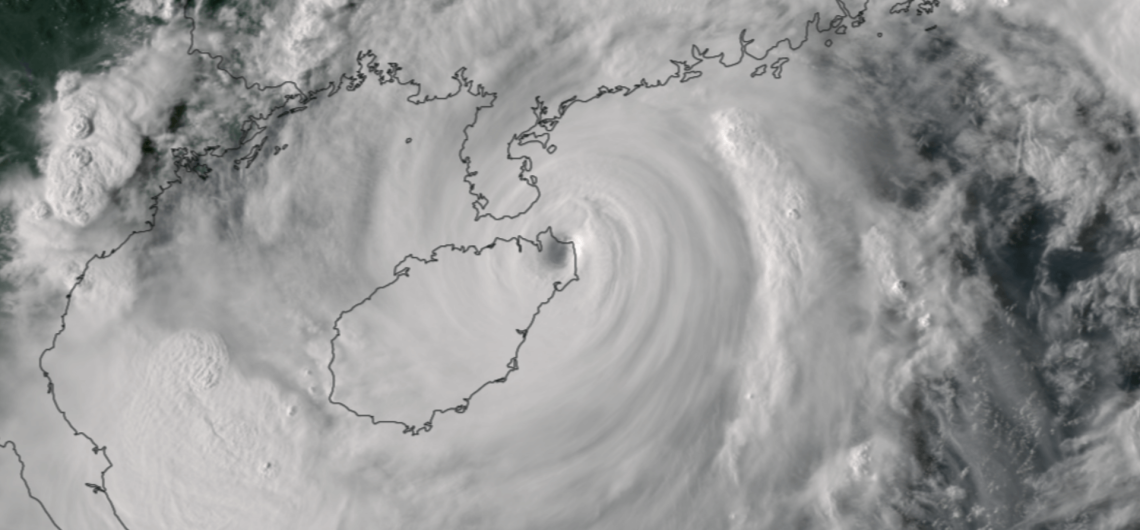
Typhoon Yagi 2024 was a powerful typhoon that hit Vietnam on September 7 this year. This weather phenomenon brought strong winds and heavy rains, causing extensive damage to the country.

The typhoon caused the deaths of dozens of people, with an estimated death toll of around 70. It also caused major destruction, including extensive damage to infrastructure such as roads, bridges, and buildings. Many homes were damaged or completely destroyed.

Travel to Vietnam after typhoon 1

The cities most affected were Hanoi, the capital, where flooding was particularly severe; and Ha Long, a coastal city that suffered significant damage.

In response to this disaster, the Vietnamese government responded with emergency measures, such as evacuating dangerous areas and distributing relief supplies. Aid organizations and neighboring countries also provided assistance to support relief and reconstruction efforts.

Typhoon Floods

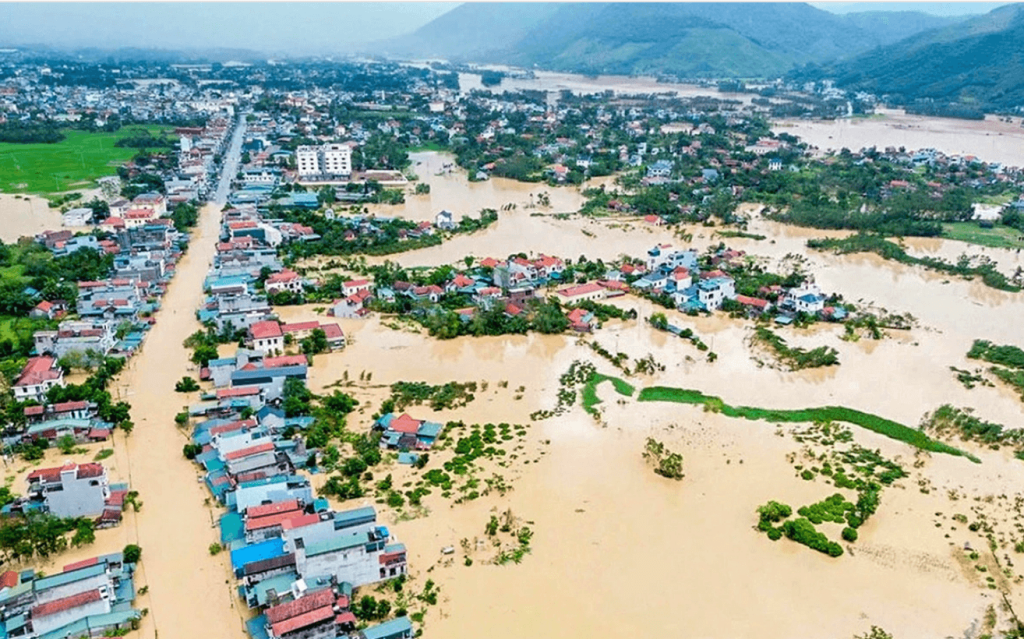
Following Typhoon Yagi, northern Vietnam was severely affected by severe flooding. The heavy rains that followed caused flooding in many areas.

The provinces most affected by the flooding include Quang Ninh, Ha Nam, and Ninh Binh. The capital, Hanoi, was also severely impacted, with streets and neighborhoods completely submerged by water.

Travel to Vietnam after typhoon 2

The floods caused extensive damage to infrastructure, such as roads and bridges, and flooded many homes, leaving many families in dire conditions. Agricultural fields were also affected, causing significant losses to farmers.

Traveling in Vietnam after Typhoon Yagi

Updated on 13/09/2024

Hanoi

Due to the strong winds on the night of September 7, many trees fell on the roads. The roads have now been completely cleared and some of the fallen trees have been replanted. There is therefore no risk of seeing the capital completely disfigured by the typhoon.

The Red River began to recede on September 12. Some neighborhoods near the river were impacted by the rising waters. However, tourist areas such as Hoan Kiem (old quarter) were not affected.

Halong Bay

Halong Bay was closed during the typhoon. Unfortunately, some boats sank despite precautions. Today, Halong Bay is reopened to international tourism. Clean-ups are underway.

Travel to Vietnam after typhoon Halong

Sapa

The northern mountains have been hit by heavy rains after Typhoon Yagi. Heavy flooding and landslides have caused many casualties. Traffic remains complicated in this area and the mountain is waterlogged. We recommend that you avoid traveling to this area the next few days. The roads will be cleaned up and repaired until next week.

Ha Giang

Due to heavy rains, some roads have been partially damaged on the Ha Giang loop. Work is underway to clear and repair the roads. In this area, the risk of landslides is high and we recommend that you avoid this area until few days. At the end of September, there will be no reason to avoid to travel to Ha Giang.

Travel to Vietnam after typhoon Ha Giang

Should I cancel my trip to Vietnam after Typhoon Yagi?

Under no circumstances should you cancel your trip following Typhoon Yagi. This weather event caused some impressive images but everything is getting back to normal. Trees have been replanted and clean-ups are underway after the Red River receded.

The roads to Sapa and Ha Giang has been cleaned up and repaired, you can now travel to the northern mountain. Sites such as Ninh Binh, Mai Chau, Pu Luong and Halong Bay can be visited without any problem. The capital Hanoi mainly suffered tree falls. Also, no consequences were observed on the rest of Vietnam in Danang, Hoi An, Saigon or Phu Quoc.

Discover the enchanting allure of Ninh Binh with our meticulously crafted Ninh Binh 2 days itinerary! Immerse yourself in the breathtaking beauty of Vietnam‘s hidden gem, where limestone peaks tower over lush green paddies and serene rivers. From the ancient capital of Hoa Lu to the mystical Trang An Grottoes, our journey promises unforgettable adventures and captivating experiences.

 

Glide through the stunning Tam Coc caves, explore the awe-inspiring Bai Dinh Pagoda, and lose yourself in the tranquility of Cuc Phuong National Park. Join us as we unveil the magic of Ninh Binh, guiding you through the must-see sights and hidden treasures that will make your trip truly unforgettable. Dive into our article and let the adventure begin!
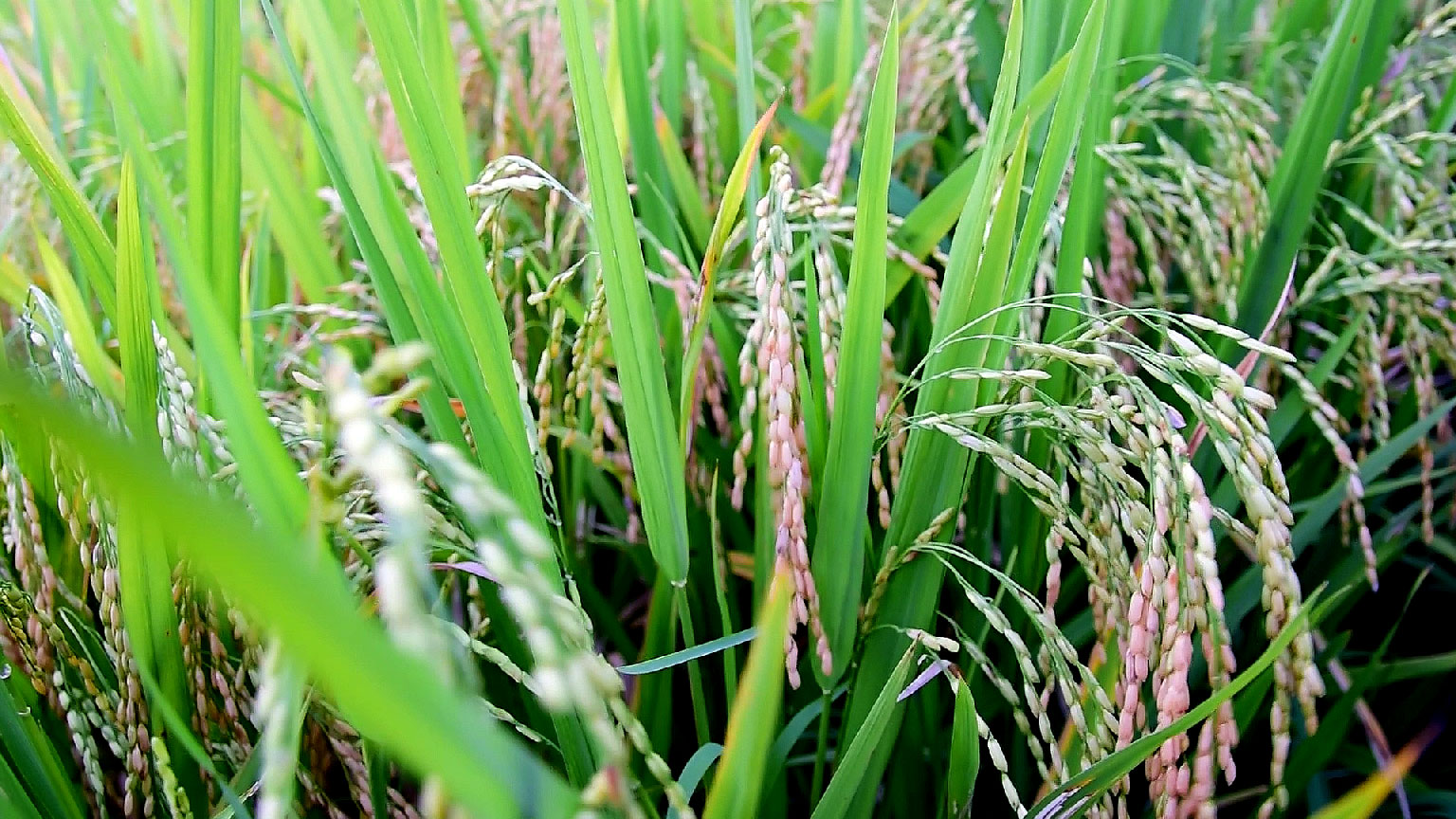
Ninh Binh one day tour Tam Coc boat trip

Where is located Ninh Binh ?

Ninh Binh, located in northern Vietnam, is a picturesque province about 90 kilometers south of Hanoi. Often referred to as the “Ha Long Bay on land,” it boasts stunning landscapes of limestone karsts rising from emerald green rice paddies and winding rivers. Visitors can explore the ancient capital of Hoa Lu, take a boat ride through the mesmerizing Trang An Grottoes, and marvel at the beauty of Tam Coc’s caves and pagodas. The area is also home to the majestic Bai Dinh Pagoda, Vietnam‘s largest Buddhist complex, and the serene Cuc Phuong National Park, where nature enthusiasts can hike through dense forests and spot diverse wildlife. Ninh Binh offers a captivating mix of natural wonders, historical sites, and cultural experiences that make it a must-visit destination.

Ninh Binh 2 Days itinerary

Day 1: Exploring Ancient Capitals and Scenic Wonders

Morning:

Arrive in Ninh Binh early in the morning to maximize your adventure time. Check into your cozy hotel and get ready for an exciting day ahead.

Kick off your journey with a visit to Hoa Lu, the ancient capital of Vietnam. Wander through the historic temples dedicated to Emperor Dinh Tien Hoang and Emperor Le Dai Hanh, set against lush, green mountains. Feel the history come alive as you explore the remnants of this once-thriving capital.

Hoa Lu ancient citadel ninh binh 2 days itinerary

For lunch, savor a hearty lunch at a local restaurant. Don’t miss trying the regional specialty, goat meat, prepared in various delectable ways. Let the flavors tantalize your taste buds as you prepare for the afternoon’s adventures.

In the afternoon, head to Trang An, a UNESCO World Heritage Site. Hop on a traditional sampan boat and glide through a labyrinth of rivers, caves, and lush valleys. The serene scenery and mystical caves will leave you spellbound. Keep your camera ready for stunning photo opportunities.


Visit Bai Dinh Pagoda, the largest Buddhist complex in Vietnam. Wander through the massive complex, marvel at the giant Buddha statues, and soak in the tranquil atmosphere. Don’t forget to ring the giant bronze bell for good luck.

Trang An Hoa Lu ancient citadel ninh binh 2 days itinerary

Day 2: Nature and Cultural Immersion

After a hearty breakfast, make your way to Tam Coc, often referred to as “Ha Long Bay on land.” Embark on a serene boat ride along the Ngo Dong River, passing through three stunning limestone caves. The picturesque landscape of rice paddies and karsts will leave you in awe.

Visit Bich Dong Pagoda, a series of ancient pagodas nestled into a mountainside. Climb the stone steps to enjoy panoramic views of the surrounding countryside. The blend of natural beauty and ancient architecture is truly captivating.

Bich Dong ninh binh 2 days itinerary

Lunch at local restaurant.

Spend your afternoon exploring Cuc Phuong National Park, Vietnam’s oldest national park. Hike through dense forests, visit the Endangered Primate Rescue Center, and marvel at the thousand-year-old tree. The park’s rich biodiversity will delight nature enthusiasts.

Cap off your day with a visit to Mua Cave. Climb the 500 steps to the summit for a breathtaking panoramic view of Tam Coc and the surrounding area. The view is especially stunning during sunset, offering a perfect end to your adventure.

This detailed Ninh Binh 2 days itinerary ensures you experience the natural beauty, historical richness, and cultural depth of Ninh Binh, making your trip truly memorable.

Mua cave Ninh Binh 2 days itinerary

When to Visit Ninh Binh: The Perfect Times for Your Adventure

If you’re planning a trip to Ninh Binh, timing can make all the difference in your experience. Here are the best periods to visit this enchanting destination:

Springtime Magic (Late February to April)

Spring in Ninh Binh is simply delightful. Picture yourself exploring this stunning landscape with temperatures hovering between 18°C to 25°C (64°F to 77°F). The air is fresh, the skies are clear, and everywhere you look, vibrant green fields and blooming flowers greet you.

Imagine gliding along the rivers of Tam Coc, with the sun shining gently overhead, illuminating the lush scenery around you. The cool breeze whispers through the limestone karsts, making your boat ride through Trang An Grottoes a dreamlike experience. This season is perfect for hiking through Cuc Phuong National Park or visiting ancient temples in Hoa Lu, all without breaking a sweat.

Autumn Splendor (September to Early November)

Autumn is another fantastic time to visit Ninh Binh. With temperatures ranging from 20°C to 28°C (68°F to 82°F), the weather is comfortably warm but not too hot. Plus, it’s the dry season, so you can expect clear skies and minimal rain.

This is when the rice fields turn a glorious golden hue as harvest time approaches. Picture yourself cycling through the countryside, surrounded by shimmering golden paddies, or climbing Mua Cave for a panoramic view of this golden sea. The pleasant climate and breathtaking landscapes make autumn a photographer’s paradise and a nature lover’s haven.

Why Not Summer or Winter?

Summer (May to August) can be quite hot and humid, with temperatures often soaring above 30°C (86°F). While the scenery remains beautiful, the heat can be intense, and you might encounter heavy, sudden rains. If you don’t mind the heat, it’s still doable, but spring and autumn offer a more comfortable experience.

Winter (December to February) brings cooler temperatures, typically between 10°C to 17°C (50°F to 63°F). While this isn’t extreme cold, the misty and chilly weather might make some outdoor activities less enjoyable. However, if you prefer a quieter experience with fewer tourists, winter could be your season.

By choosing to visit Ninh Binh in spring or autumn, you’ll enjoy the region’s natural beauty at its finest, with comfortable weather and stunning landscapes that will make your trip unforgettable. Whether it’s the vibrant greens of spring or the golden glow of autumn, Ninh Binh is ready to enchant you.

To conclude

Booking a 2-day, 1-night tour with Jacky Travel to explore Ninh Binh is the perfect way to immerse yourself in the region’s breathtaking beauty and rich history with ease and expertise. Jacky Travel‘s carefully curated itinerary ensures you experience the best of Ninh Binh, from the ancient temples of Hoa Lu to the serene boat rides through Trang An and Tam Coc. Their knowledgeable guides provide fascinating insights and a local touch, enhancing your journey through stunning landscapes and cultural landmarks. With comfortable accommodations, delicious local meals, and seamless logistics, Jacky Travel takes the stress out of planning, allowing you to fully enjoy and remember every moment of your Ninh Binh adventure.

Hanoi, the capital of Vietnam, a city of around 8 million inhabitants. Some people love it because it is a city full of history with many picturesque little streets, other people hate it for its chaotic traffic and its level of noise and air pollution. Anyway, most people visit this city during the day however, we challenged ourselves to visit Hanoi by night.

Why visit Hanoi by night?

Visiting Hanoi by night can be a wise idea in summer when the thermometer reaches scorching temperatures. It then becomes very difficult to wander through the small streets of the old quarter in the middle of the afternoon. Likewise, these alleys are often empty because the Vietnamese prefer to take a nap when the heat is not bearable.

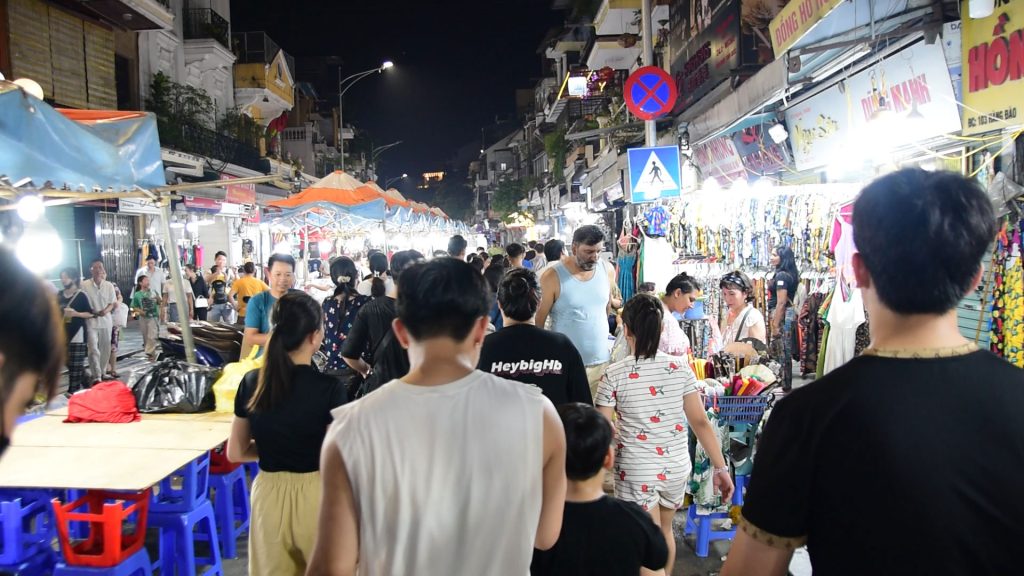
Thus, from 5 p.m., local life resumes in the old quarter of Hanoi. We can then observe all kinds of scenes of life such as parents who go to pick up their children from school on scooters or even small restaurants which are full of people for a snack or a light dinner.

Hanoi by night 1

Later in the evening, the streets of Hanoi by night are quieter and people are more relaxed. It is then much more pleasant to visit the city. Also, you can take advantage of the lighting of the different monuments to take very beautiful photos.

What to see in Hanoi by night?

Ho Chi Minh Mausoleum

It is at 9 p.m. each evening that the flag lowering ceremony takes place. To see this ceremony, you must arrive at the Ho Chi Minh mausoleum square a little earlier to have time to pass through the security gates. You can enter the main square for free.

Hanoi by night 2

Shortly before 9 p.m., soldiers asked the crowd to stand on the grass. Then the music starts and a group of soldiers in white costumes arrive to lower the flag. This ceremony lasts only about fifteen minutes and allows you to appreciate the importance of the Ho Chi Minh Mausoleum in Vietnamese culture.

The train street

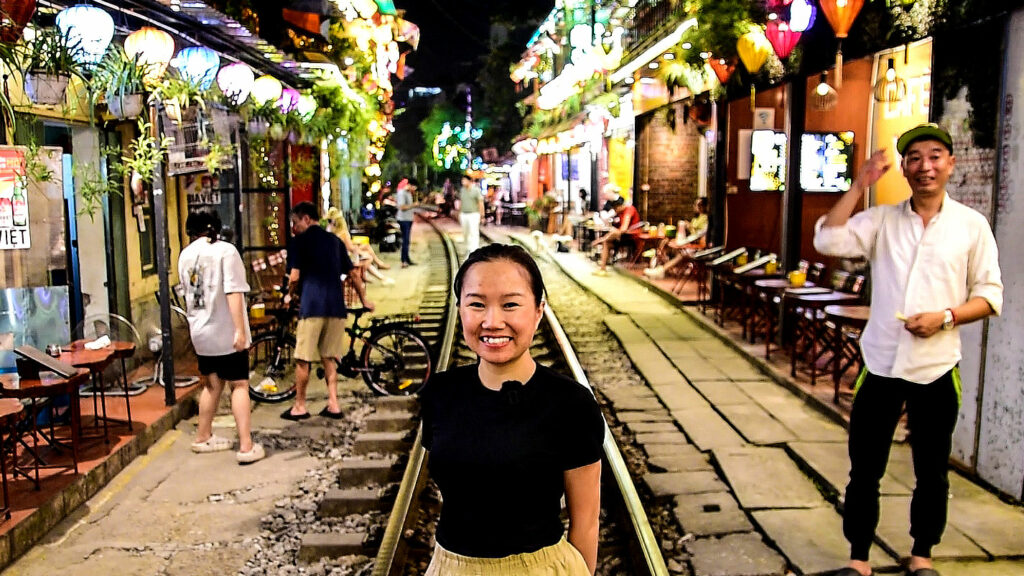
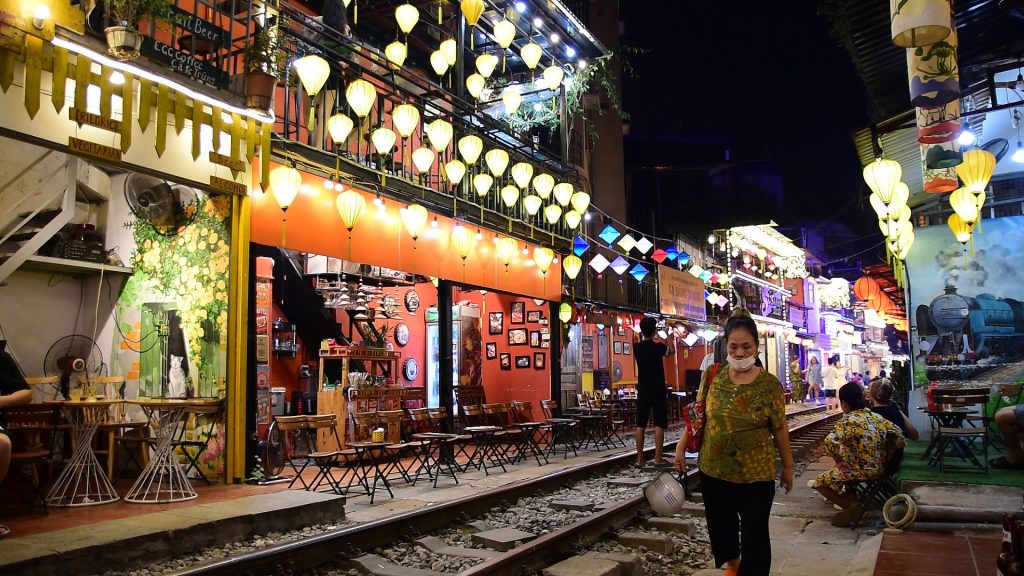
In the evening, the train street is very beautiful with all its lights, its lanterns and its little cafes along the railway tracks. It’s the ideal place for a snack or a coffee even if the quality of the food and drinks is quite average. Don’t expect to be dazzled by the restaurants on train street.

Hanoi train street 5

A few trains may pass throughout the evening if you’re lucky. But there is only one train that you will be sure of and certain of its departure, and that is the 10 p.m. train to Sapa. Every evening, this train will pass through Train Street a few minutes after leaving Hanoi Central Station.

Hoan Kiem Lake Tour

Only during the weekend, the Hoan Kiem Lake tour is closed to car traffic. You can then stroll freely on the main street and attend different music shows, clowns, magicians… You can also visit the Hanoi night market.

Hanoi night market

Long Bien market

From 8 p.m., many trucks park below the Long Bien bridge to collect their precious goods. Indeed, under this bridge, a huge wholesale market comes to life every night from 8 p.m. to 5 a.m.

Long bien night market

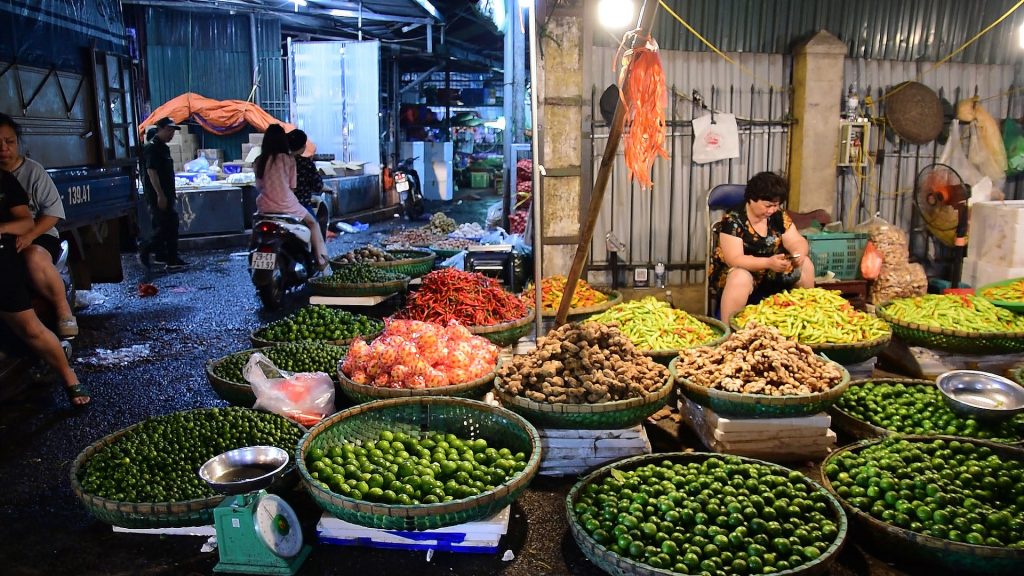
We can then observe piles of watermelons, mangoes and other vegetables. Many workers carry goods on their carts and push them at arm’s length. It’s a veritable anthill equivalent to the Rungis market (but more rustic).

We didn’t see any tourists at this market and it’s true that they are sometimes poorly received by the locals here. The Vietnamese are there to sell and buy. They have to move quickly and get the trucks on the roads.

To get there, cross the ring road at the Long Bien bus station. It is there, on the banks of the red river, that the hangars are located.

Tay Ho Flower Market

Here is a fairly atypical and unique market which also comes to life at night. The Hanoi flower market is also a wholesale market but can be visited without any problem. Many couples walk there to buy flowers.

It is possible to discover a large quantity of varieties of flowers there. In June, it is the season of lotus flowers which are found in abundance. With the arrival of Tet (lunar new year), the market experiences its highest peak of activity.

hanoi flower market

To go to the Tay Ho flower market, you have to reach the Tay Ho (West Lake) district by the ring road and you will find the market at 236 Au Co, Tay Ho, Hanoi.

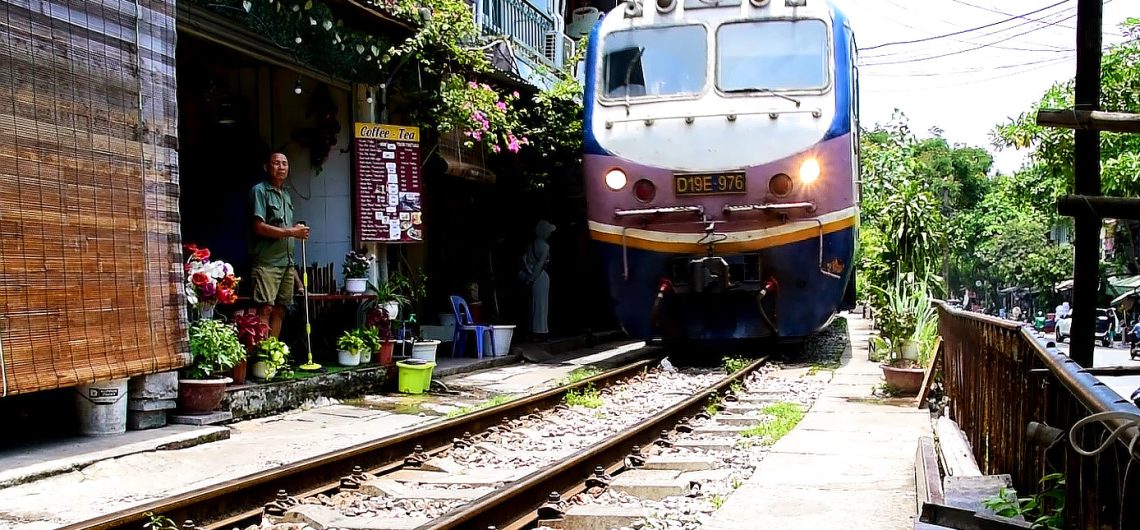
Here is one of the particularities of the city of Hanoi in Vietnam: The train street. A street where the train passes every day and brushes past homes. The train street has gradually become very famous in Vietnam and many tourists now come to see the passing train while drinking Vietnamese coffee.

Where to find the train street?

Generally speaking, the train street crosses the capital from Hanoi Central Station to the Long Bien Bridge (former Paul Doumer Bridge). The train crosses many roads and there are no residents living along the entire street.

Hanoi train street 1

Indeed, the inhabitants who have decorated their houses with lanterns and offering coffees are located in a very particular segment of the rue du train. It is after a passage and at a bend near Tran Phu street that you can access this extremely photogenic spot which can feed your Instagram account.

To access TRAIN STREET: 74A, đường tàu, Trần Phú, Cửa Đông, Hoàn Kiếm, Hanoi

When does the train come?

The train crosses this street twice a day, at specific times, and local residents are well aware of its passage. It is important to note that trains pass at a relatively slow speed, allowing residents to organize themselves and take safety precautions.

When the train approaches, residents often move their belongings and move out of the way of the train. This has created a unique scene where visitors can closely observe the daily lives of local residents and how they interact with the regular passage of the train.

Hanoi train street 2

However, it is important to respect residents’ privacy and be sensitive when visiting this location. Caution is also required due to the proximity of the train. You can take advantage of this unique experience to discover an authentic side of urban life in Hanoi.

How to get on the train street in 2024?

There are several entrances to enter this famous railway bend. The first entry point is at the level crossing. There, you will see a guard who will block your way with a large sign warning of the dangerousness of the street. However, it is possible to bypass this guard provided you are accompanied by a resident of the street who will take you to their café so that you can have something there.

Hanoi train street 3

The second entry point is not far from there up the train street towards Long Bien station. As you walk along the street, you will see a first staircase with a guard. This is where you can go up accompanied by a resident to have a coffee. It is at this entry point that you can go to the cafes which have the best view of the street.

The third entry point is a little further on. Once again, a staircase will allow you to access the street. However, we do not recommend this entry as the cafes do not have the best view. Indeed, on this side of the street, there are houses on only one side of the street and the other side is open to the road which makes the experience less impressive.

Hanoi train street 5


Also, it is in the evening that the street is most beautiful with many lanterns and lights. You will definitely appreciate the atmosphere of the street while waiting for the 10 p.m. train to pass which heads towards the northern mountains: Lao Cai and then to Sapa.

Finally, it is possible that, if there are a lot of people on the street taking photos or videos as the train passes, the police will intervene to evacuate the street. You will then also have to leave the café in which you will be seated. This is a way to make the most of the train street which has become a “tourist trap” attraction.

Why do people live on the train street?

Historically, the railway was built by the French at the beginning of the 20th century. A large number of Vietnamese workers participated in the construction site. It was then that, to thank them for their dedication, the government offered them a small piece of land next to the railway line. The new owners of this land then took the opportunity to build small, modest houses there. People who live on this street will tell you that they are not bothered by the noise of the train. In all cases, the development of tourism in this street thanks to social networks has allowed them to develop a rather lucrative business.

Are you planning to spend 2 days and 1 night in Sapa ? If you are looking for the most suitable Sapa 2 days itinerary ? Then, you are on the right page to find the answer to all your questions.

Sapa town

First of all, Sapa is located in the North part of Vietnam at around 300km from Hanoï. It takes around 6 hours to reach Sapa by bus (most of the people take the sleeping bus) from Hanoï. It is also possible to reach Sapa by train but it takes 8 hours to reach Lao Cai train station and then one more hour to reach Sapa town.

sapa 2 days trekking

Sapa is very nice place to visit during the summer because it is located in the mountainous area, you should check when is the most suitable time to go there. Indeed, in the winter, there is no ricecrops in the ricefields and it can be very cold. You can check out the best time to visit Sapa by following this link : Best time to visit Sapa

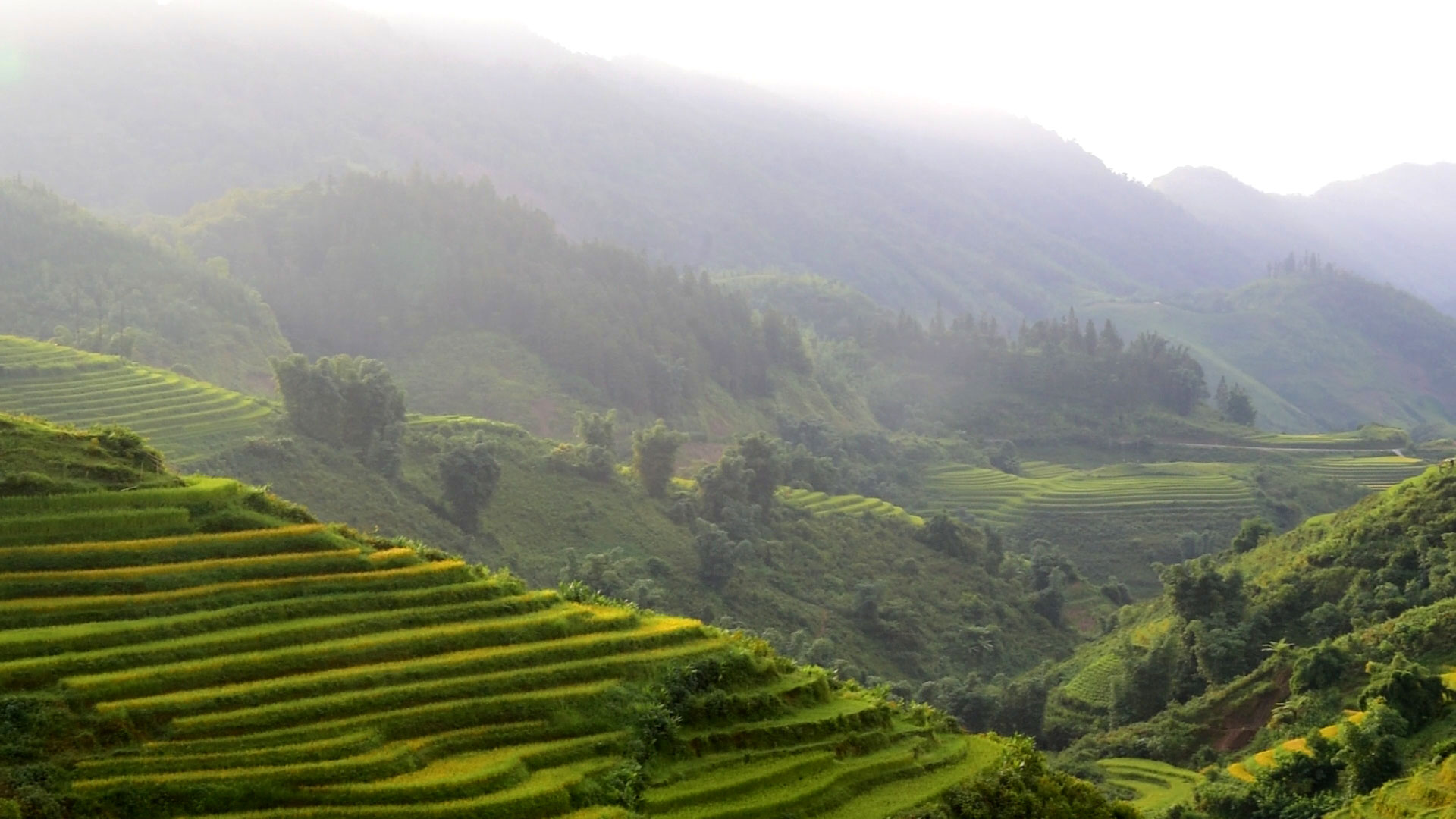
Sapa is a montainous area which is famous for its terrace ricefields and to see the highest mountain of Vietnam : The Fansipan mountain. This is why Sapa is a good place for trekking and enjoy the fresh air of Northern Vietnam.

Are 2 days in Sapa enough?

Two days are not enough to see everything but it is enough to enjoy some places which are interesting for you.

Two days in Sapa can provide you with a good taste of the area, but whether it’s “enough” depends on what you want to accomplish during your visit. Sapa, in northern Vietnam, offers stunning landscapes, trekking opportunities, cultural experiences with ethnic minority groups, and more.

Sapa 2 days itinerary for trekking lovers

Day 1: Arrival and Exploration

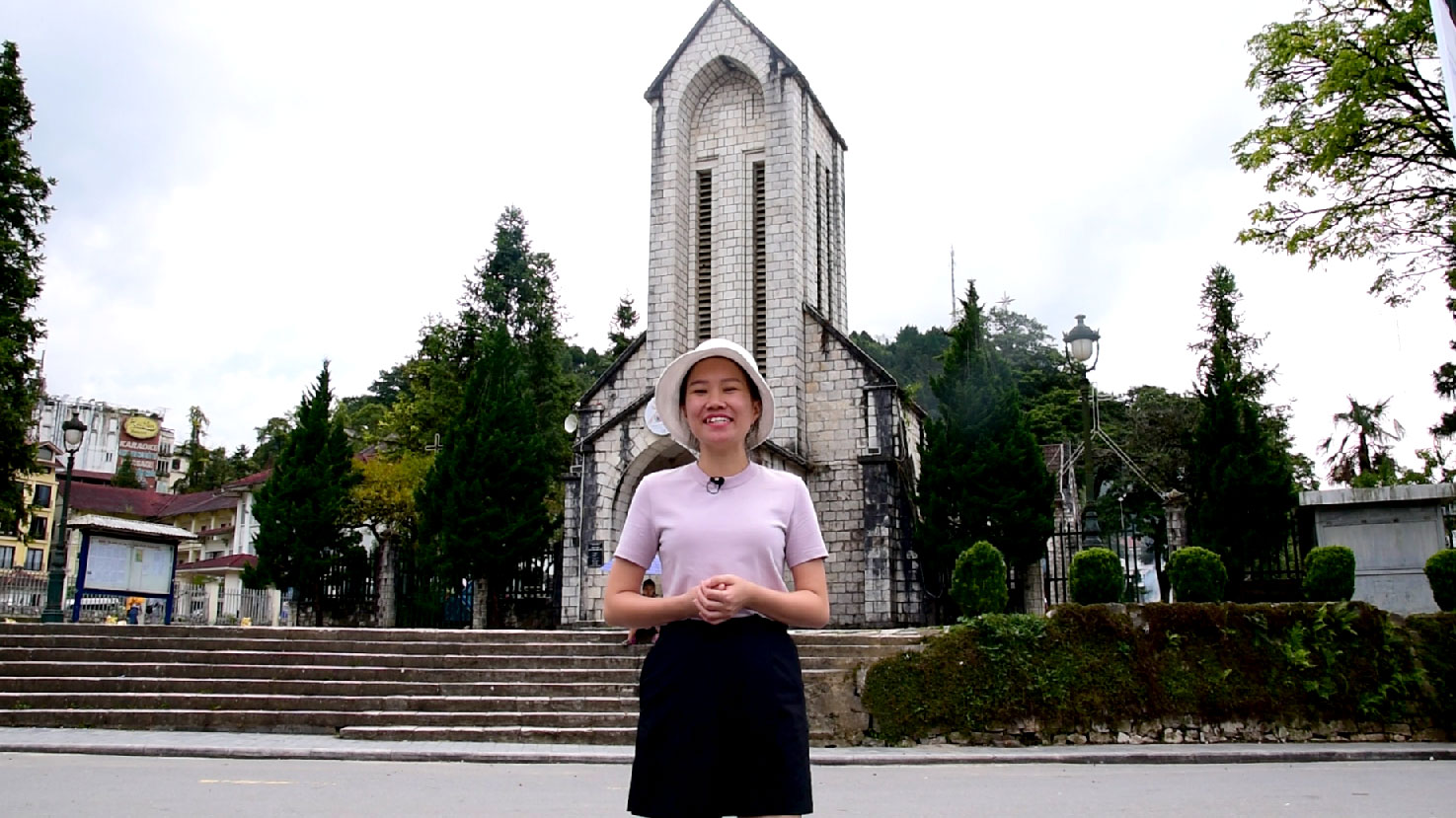
Spend your first day exploring Sapa Town itself. Visit local markets, such as the Sapa Market and Love Market, where you can interact with ethnic minority groups and buy local crafts. Take a leisurely walk around the town, exploring its French colonial architecture and enjoying local cuisine. If you have time and energy, you could also visit nearby attractions like Ham Rong Mountain for panoramic views.

sapa 2 days itinerary

Day 2: Trekking Adventure

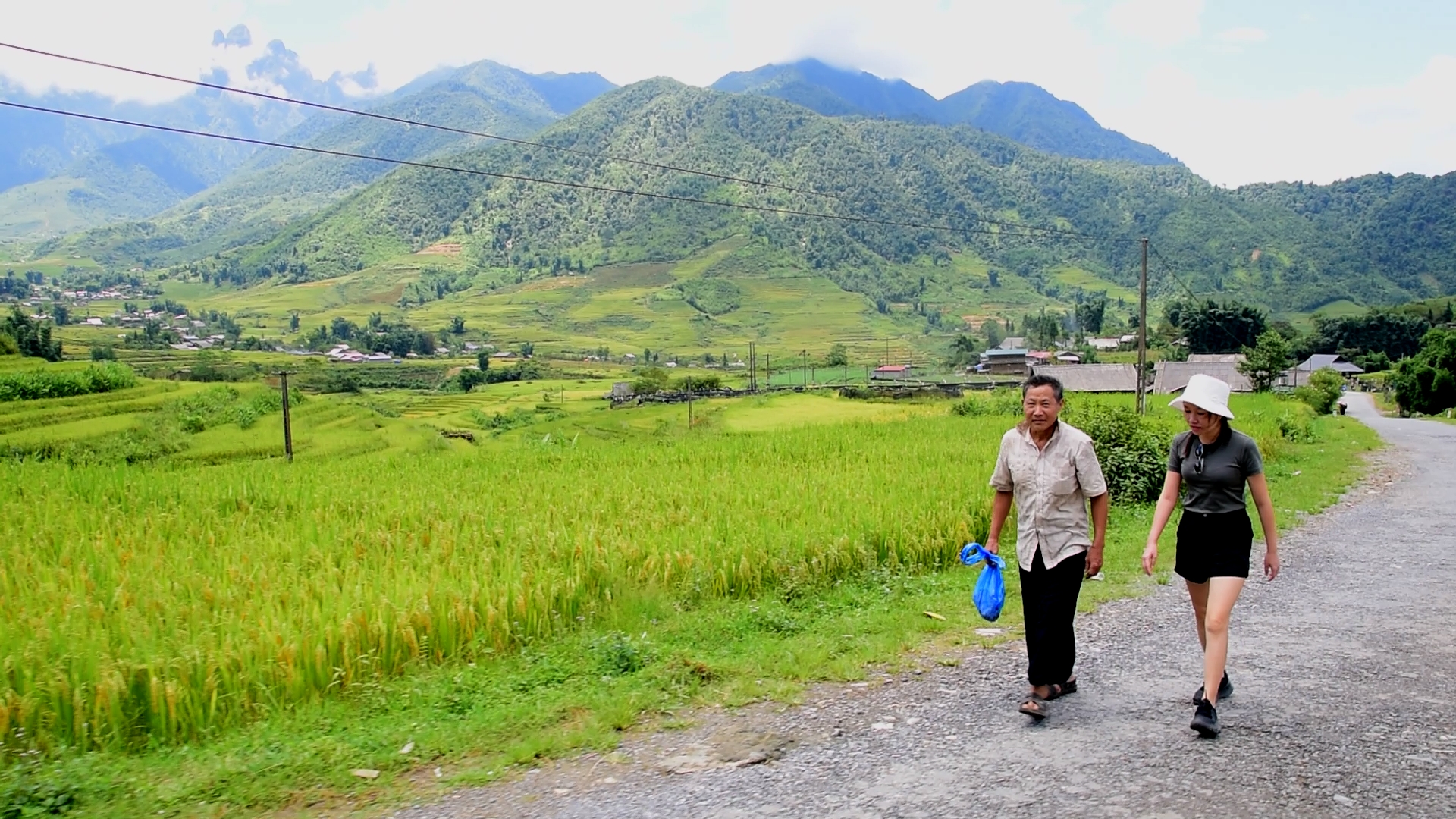
Use your second day, of this Sapa 2 days itinerary, to venture into the surrounding countryside. There are numerous trekking routes of varying lengths and difficulties that take you through picturesque rice terraces, bamboo forests, and traditional villages. Popular trekking destinations include Cat Cat Village, Y Linh Ho Village, and Lao Chai Village. You can opt for a guided trek or explore independently, depending on your preferences and experience.

Sapa 2 days itinerary


While two days will allow you to experience some of the highlights of Sapa, if you have more time, you could extend your stay to explore further afield or to relax and soak in the natural beauty of the area. Additionally, Sapa’s weather can be unpredictable, so it’s always a good idea to check the forecast and plan accordingly, especially if you’re hoping to trek or engage in outdoor activities.

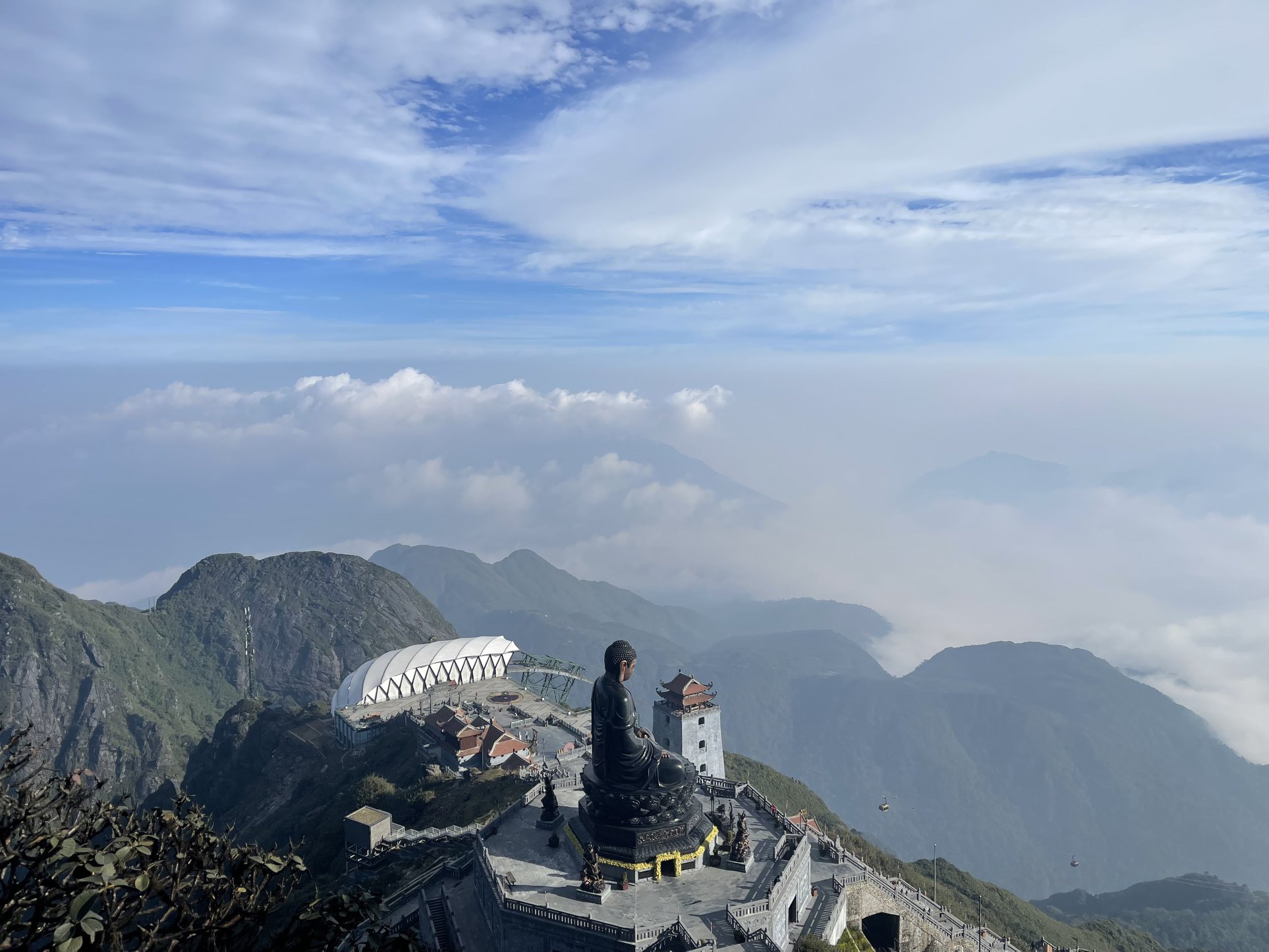
The other most popular attraction in Sapa is the Fansipan peak. Fansipan, often referred to as the “Roof of Indochina,” is the highest peak in Vietnam, Laos, and Cambodia, standing at 3,147.3 meters (10,326 feet) above sea level. There are several ways to reach the summit, each catering to different preferences and fitness levels:

From Tram Ton Pass

Typically 2 days and 1 night, though some experienced trekkers can complete it in one day. This is the most popular and accessible route, starting from Tram Ton Pass (also known as Heaven’s Gate), about 15 kilometers from Sa Pa town. This trek offers a mix of dense forest, bamboo groves, and breathtaking views. You’ll stay overnight in camps along the way.

From Sin Chai Village

The trekking duration is around 2 to 3 days and the way is harder. This route starts from Sin Chai Village and is less traveled compared to the Tram Ton Pass route, offering a more secluded experience. More challenging with steeper paths and less infrastructure.

Cable Car

I takes about 15-20 minutes to reach the Fansipan Station, plus a further 600-step climb to the summit. The cable car station is in Muong Hoa Valley, about 3 kilometers from Sa Pa town. This is the easiest and most comfortable way to reach the peak, suitable for all ages and fitness levels. The cable car offers stunning panoramic views of the Hoang Lien Son range.

Sapa Fansipan by cable car

Sapa is also a good place to chill in a resort like : Topas Ecolodge. With its stunning view, comfortable bungalow and infinity swimming pool, you will surely enjoy your stay in Sapa. Note that the ecolodge is a bit far from the city and you should visit Sapa town before or after your stay at the Ecolodge.

sapa 2 days

In summary, a stay of 2-3 days is a common recommendation for most visitors to Sapa, but you can adjust based on your preferences and the activities you want to pursue. It’s always a good idea to check current travel conditions and weather forecasts before planning your trip.

We hope you enjoyed your stay in Sapa !

To book a tour for Sapa, please contact us by WhatsApp : +84.947.891.345

You are looking to visit Hanoi and you would like to see the famous Hanoi Water Puppet Show, you are on the right page to learn more about this unmissing vietnamese show. Here, we will give you tips about where to see the water puppet show, what is the schedule and entrance ticket price.

Where to see the Hanoi Water Puppet Show ?

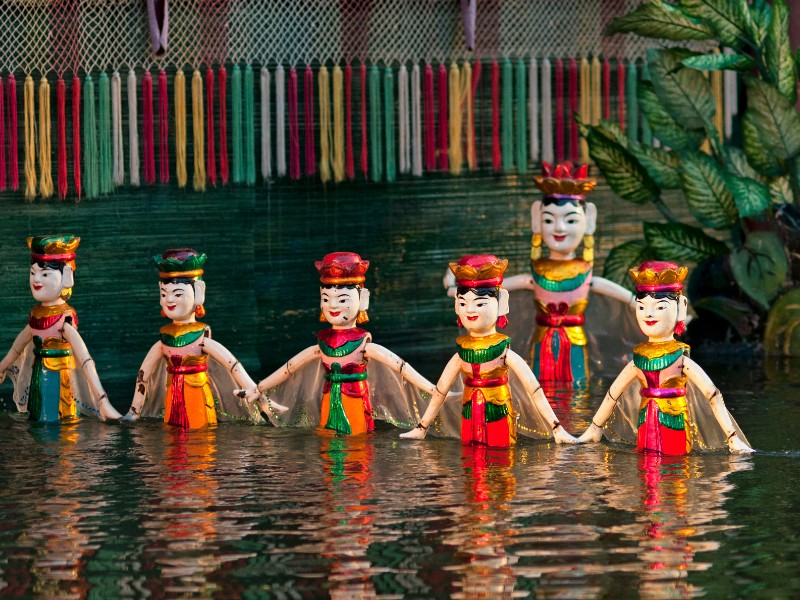
The Hanoi Water Puppet Show is a unique and traditional Vietnamese art form that you can experience in Hanoi, the capital city of Vietnam. The most popular venue to watch the water puppet show in Hanoi is the Thang Long Water Puppet Theatre, located at 57B Dinh Tien Hoang Street, near Hoan Kiem Lake. It’s advisable to book tickets in advance as the shows can get quite busy, especially during peak tourist seasons. Enjoy the colorful and mesmerizing performance!

Water puppet show hanoi 4

What is the schedule of Thang Long Water Puppet Theatre ?

The schedule for the Hanoi Water Puppet Show at the Thang Long Water Puppet Theatre may vary depending on the season and demand. Typically, there are multiple shows throughout the day, with performances usually starting in the late morning and continuing into the evening. It’s best to check the official website of the Thang Long Water Puppet Theatre or contact them directly for the most up-to-date information on showtimes and ticket availability.

Each show typically lasts around 50 minutes. Hanoi water puppet shows start at 3:30 pm – 5 pm – 6:30 pm – 8 pm – 9:15 pm daily and Sunday at 9:30 am.

What is the price of the Hanoi Water Puppet Show ?

The price of the Hanoi Water Puppet Show at the Thang Long Water Puppet Theatre can vary depending on factors such as seating location, time of day, and whether you purchase tickets directly at the theater or through a tour agency. As of my last update, ticket prices typically ranged from around 100,000 VND to 200,000 VND for adults (approximately $6 to $8 USD), with discounted prices available for children.

  • Standard tickets: 150,000 VND (~6.14 USD)
  • VIP tickets: 200,000 VND (~8.72 USD)

Premium seating may be available at a higher cost. Additionally, tour packages that include the water puppet show may offer different pricing structures, so you may want to explore those options as well.

What to expect during the show ?

A show at the Thang Long Water Puppet Theater in Hanoi, Vietnam, is a unique and captivating experience. Here’s what you can expect:

  1. Traditional Puppetry: The show features traditional Vietnamese water puppetry, which dates back to the 11th century. Puppeteers stand behind a screen and manipulate wooden puppets that appear to be moving on water.
  2. Live Music: Accompanying the puppetry is live traditional music performed on traditional instruments such as drums, flutes, and string instruments like the đàn bầu (monochord).
  3. Vietnamese Folklore and Legends: The performances often depict scenes from Vietnamese folklore, legends, and rural life. You may see stories of mythical creatures, daily village activities, or historical events.
  4. Colorful Visuals: The puppets are beautifully crafted and adorned with colorful costumes. The scenes are visually stunning, with elaborate sets and lighting effects.
  5. Humor and Drama: The shows often incorporate elements of humor, drama, and even satire, appealing to audiences of all ages.
  6. Cultural Insight: Attending a water puppet show provides a glimpse into Vietnam’s rich cultural heritage and artistic traditions.

Overall, a visit to the Thang Long Water Puppet Theater promises a delightful and culturally enriching experience for tourists and locals alike.


Are you planning a trip to Sapa ? You don’t know how many days you should spend in Sapa ? You are thinking to spend 3 days in Sapa and you are looking for the most suitable Sapa 3 days itinerary ?

Then, you are on the right page to find the answer to all your questions.

First of all, Sapa is located in the northern part of Vietnam. It takes around 6 hours to reach Sapa by bus (most of the people take the sleeping bus). This place is famous for its terrace ricefields and to see the highest mountain of Vietnam : The Fansipan mountain.

Then, Sapa is very nice place to visit in the summer time but because it is located in the mountainous area, you should check when is the most suitable time to go there. Indeed, in the winter, there is no rice in the ricefields and it can be very cold. You can check out the best time to visit Sapa by following this link : Best time to visit Sapa

Are 3 days in Sapa enough?

Many people will spend 2 days in Sapa but in fact, there are many things to see. Two days are not enough to see everything and it is not worth the 6 hours journey to reach Sapa when you come from Hanoi. That’s why, we recommend to spend 3 days in Sapa to enjoy the fresh weather and take your time to take photos at the different attractions around Sapa.

What can you see and do in Sapa during 3 days ?

The most popular attraction in Sapa is the Fansipan peak. You can reach the summit of Indochina (3,143 meters above sea level) by cable car. There is a train which brings you directly to the cable car station at the MGallery hotel in Sa Pa. It is the easiest way to reach the summit. After the 6km length cable car (the most extended three-line cable car system in the world), you need to walk to the summit with more than 500 steps.


The second popular attraction is Cat Cat village. This traditionnal village is a good destinations if you want to take beautiful photos and learn more about the local minorities of northern Vietnam without doing a long treck of few days. However, it is a very touristique place and sometimes crowded. This place lost its authenticity.

The third popular thing to do in Sapa is trekking in the Lao Chai – Ta Van valley. This valley is the most beautiful valley around Sapa town. It takes the whole day to discover the villages around the river. The view is very impressive when the ricefields are green or yellow from June to September.

Lao Chai Ta Van

In Sapa, it is also a good place to chill in a resort like : Topas Ecolodge. With its stunning view, comfortable bungalow and infinity swimming pool, you will surely enjoy your stay in Sapa. Note that the ecolodge is a bit far from the city and you should visit Sapa town before or after your stay at the Ecolodge.

The best Sapa 3 days itinerary

For a 3 days and 2 nights trip to Sapa, we recommend you the following itinerary :
Day 1 : Hanoi – Sapa – Cat Cat village trekking (B-L-D), overnight in Sapa
Day 2 : Fansipan by cable car – Glass bridge (B-L), overnight in Sapa
Day 3 : Lao Chai – Ta Van village – Hanoi (B-L), overnight in Hanoi

On the first day, you will take the limousine bus which is more comfortable than the sleeping bus and faster than the train. The price difference is worth the quality of the service. You will arrive for lunch in Sapa town. After lunch, take a short drive to reach the entrance of Cat Cat village.

On the second day, you can take ride by cable car to reach Fansipan peak. This visit will take you the whole morning. After lunch, in the afternoon, you will visit the Glass bridge located near Sapa to continue enjoying the stunning view on the mountains.

On the last day, we really recommend to do the famous trek of Lao Chai – Ta Van. This trek is not very hard to do. The roads are clean and easy. The trekking distance is around 6 km. After that, around 3pm, it will be time to take the limousine bus back to Hanoi.

How many days should I spend in Sapa ?

The ideal number of days to spend in Sapa depends on your preferences, interests, and the activities you plan to undertake. Sapa is a beautiful mountainous region in northern Vietnam known for its stunning landscapes, vibrant hill tribe cultures, and trekking opportunities. Here are some considerations:

  1. Trekking and Exploration: If you enjoy trekking and want to explore the picturesque rice terraces, ethnic minority villages, and the Fansipan mountain (the highest peak in Indochina), you might want to spend at least 2-3 days in Sapa.
  2. Cultural Experience: To immerse yourself in the local culture and interact with the ethnic communities, spending a few extra days could be beneficial. This allows you to participate in local activities, festivals, or simply spend more time getting to know the people.
  3. Relaxation: If you’re looking for a more relaxed experience and just want to enjoy the stunning scenery, a shorter stay of 1-2 days might be sufficient.
  4. Weather Considerations: Sapa can be quite misty and rainy, especially during the wet season (May to September). If you want to increase your chances of clear views and good weather, consider checking the weather forecast and planning your visit during the dry season.

In summary, a stay of 2-3 days is a common recommendation for most visitors to Sapa, but you can adjust based on your preferences and the activities you want to pursue. It’s always a good idea to check current travel conditions and weather forecasts before planning your trip.

We hope you enjoyed your stay in Sapa !

To book a tour for Sapa, please contact us by WhatsApp : +84.947.891.345